The Controversial Transfer of Pregnant Unaccompanied Minors to a Texas Shelter
In a move that has sparked significant concern, the Trump administration is directing pregnant unaccompanied minors to a specific shelter in South Texas, despite numerous objections from government health and child welfare officials. This decision has led to a heated debate over the care and rights of these vulnerable individuals.
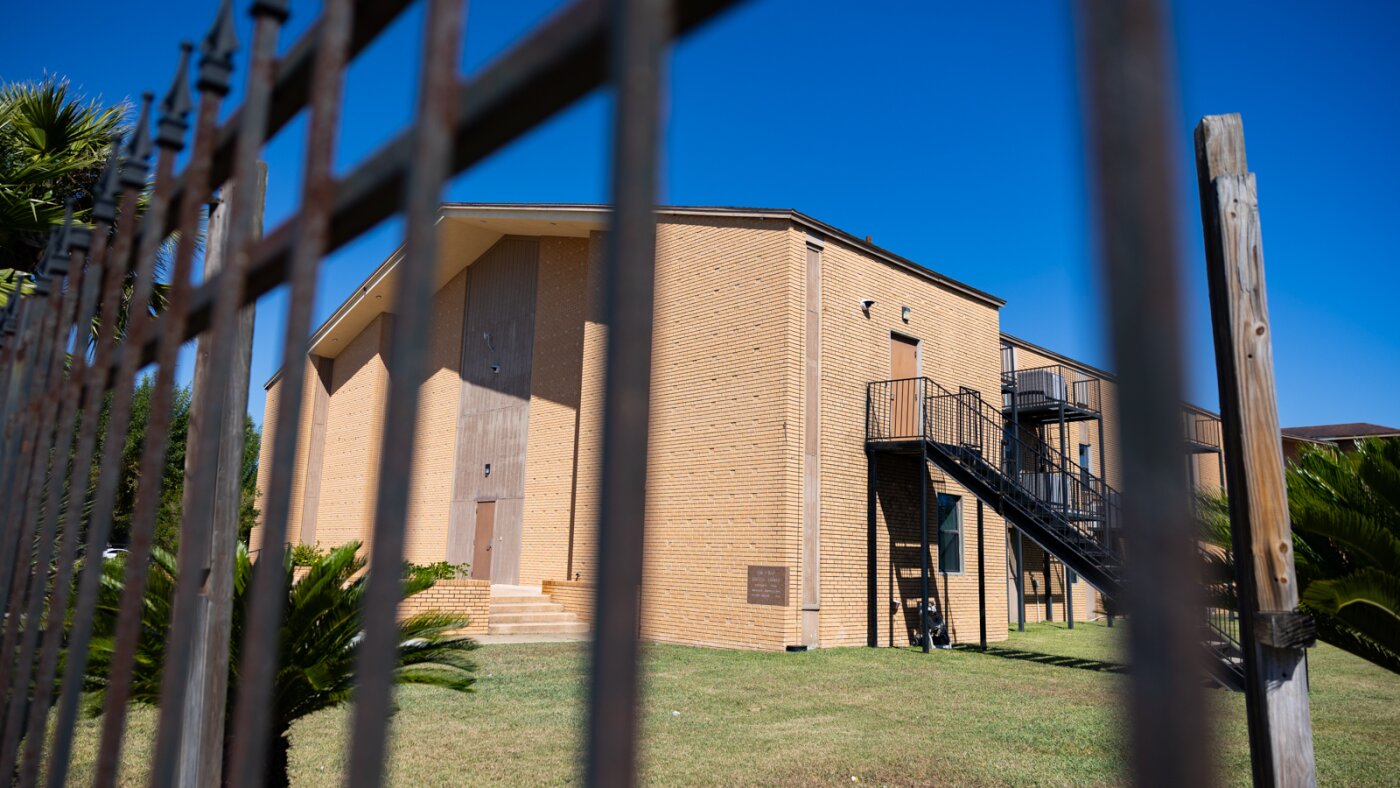
Seven officials from the Office of Refugee Resettlement (ORR), part of the U.S. Department of Health and Human Services, revealed that all pregnant minors apprehended by immigration enforcement are being sent to a group shelter in San Benito, Texas. This decision is controversial because the facility and the surrounding area are not equipped with the necessary resources for handling high-risk pregnancies.
Since July, the San Benito facility has housed over a dozen pregnant minors, some as young as 13, with at least half becoming pregnant due to rape. Such pregnancies are inherently high-risk, especially for the younger girls. One official noted, “This group of kids is clearly recognized as our most vulnerable,” highlighting the concerns among rank-and-file staff about the adequacy of care provided.
The practice deviates from previous federal procedures, which involved placing pregnant migrant children in shelters or foster homes across the country that are better suited for managing high-risk pregnancies. The rationale behind concentrating these minors in one location remains unclear to ORR officials.
Many speculate that the move is part of a broader agenda to restrict abortion access, given that Texas has stringent abortion laws. Jonathan White, a former federal health official, expressed his concerns, stating, “This is 100% and exclusively about abortion.” This suspicion is fueled by the administration’s past attempts to limit abortion access for unaccompanied minors.
The Department of Health and Human Services, however, denies these allegations, asserting that the placement decisions are made with child welfare best practices in mind. Yet, the validity of this claim is questioned by several ORR officials who argue that the decision puts children’s safety at risk.
ORR’s acting director, Angie Salazar, issued the directive to send “any pregnant children” to San Benito starting July 22, 2025. This directive was reportedly met with resistance from within the agency, as it contradicts the advice of health and child welfare experts.
While no major medical issues have been reported at the facility so far, officials remain apprehensive about the potential for a high-risk pregnancy turning into a catastrophe. “I feel like we’re just waiting for something terrible to happen,” said one concerned official.
Critics of the San Benito shelter emphasize the inadequate medical resources available in the region, which is compounded by Texas’ restrictive abortion laws. The state’s limitations on abortion have further strained the availability of specialized obstetric care.
Experts warn that these conditions could have dire consequences for the pregnant minors. Potential complications such as ectopic pregnancies, miscarriages, or premature labor could lead to life-threatening situations if emergency care is delayed or denied due to legal concerns over abortion.
The shelter, run by Urban Strategies, has faced scrutiny for its past performance. Despite a remediation plan implemented in 2024, concerns persist over its ability to provide timely medical care and necessary follow-up for pregnant girls.
As the situation unfolds, questions remain about the motivations behind the concentration of pregnant minors in Texas and the broader implications for the care of unaccompanied children under federal custody. The intersection of immigration policy and reproductive rights continues to be a contentious issue, with potentially far-reaching consequences for those affected.
This article was originally written by www.npr.org