As tensions continue to heighten in the Middle East, President Trump has suggested that negotiations with Iran are progressing, while at the same time indicating a readiness for military action if necessary. This comes amidst ongoing conflict and rising oil prices affecting global markets.
Trump Discusses Iran Negotiations
President Trump, speaking to reporters aboard Air Force One, stated that Iran would allow 20 oil tankers to navigate the Strait of Hormuz as a gesture of respect. However, he also remarked, “you never know with Iran, we negotiate with them and then we always have to blow them up.” In an interview with The Financial Times, Trump mentioned the possibility of seizing Iranian oil and deploying U.S. forces to Kharg Island.
Claims of Regime Change
While en route to Joint Base Andrews, Maryland, Trump expressed his belief that the US-Israeli conflict has led to regime change in Iran. He referenced the death of key Iranian officials, including Ayatollah Ali Hosseini Khamenei, and indicated that new leadership is emerging. Khamenei’s son, Mojtaba Khamenei, has taken over, though he remains unseen and potentially injured.
Religious Tensions in Jerusalem
In a clash of war and religion, the Latin Patriarch was barred by Israeli police from entering the Church of the Holy Sepulchre, citing war-related restrictions. The move drew condemnation from global leaders and a rare rebuke from U.S. Ambassador Mike Huckabee. Prime Minister Netanyahu later promised the Cardinal access to the church.
Continued Middle Eastern Conflict
Despite Trump’s optimistic remarks, fighting persists as Israel targets Tehran and trades attacks with Hezbollah. The Israel Defense Forces reported strikes on missile assembly sites in Tehran and continued operations in Lebanon. Meanwhile, Hezbollah launched attacks on Northern Israel and Southern Lebanon, resulting in serious injuries and a fatality among IDF soldiers.
Impact on Oil Prices
Oil prices surged to $116 a barrel following Trump’s comments on potentially seizing Iranian oil, causing stock market declines in Asia. Brent crude has seen a significant increase, surpassing records set during Kuwait’s invasion in 1990. Global leaders, including British Prime Minister Keir Starmer and Australian Prime Minister Anthony Albanese, are taking steps to mitigate the impact on their economies.
Infrastructure Under Siege
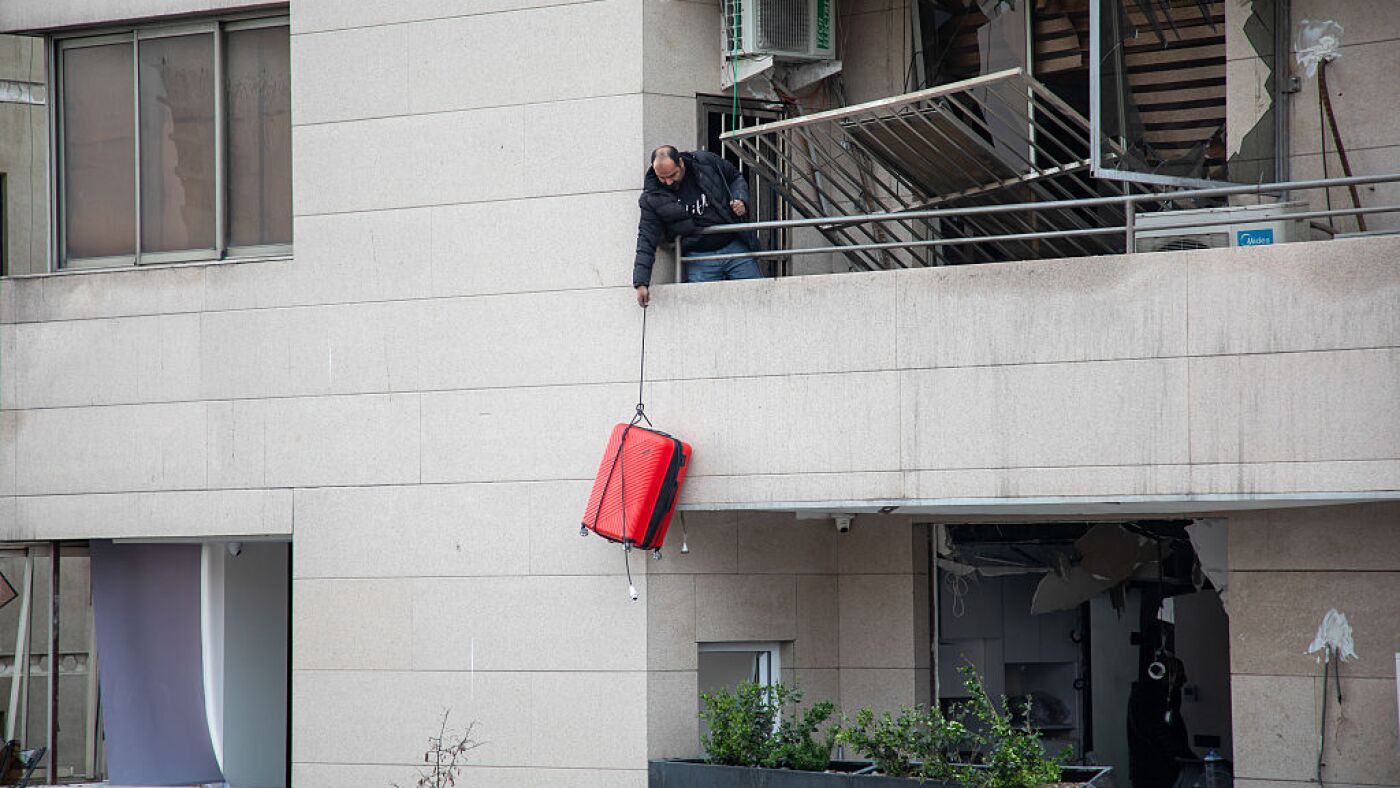
Iran reports stability in its electricity grid after attacks led to power outages in Tehran and Karaj. Israel claimed to have hit numerous targets in Iran, including universities, prompting threats of retaliation against U.S. interests in the region. Iran’s Bushehr nuclear plant and a Khondab water plant have sustained damage, raising concerns about regional stability.
In retaliation, Iran targeted industrial zones in Israel and attacked facilities in Kuwait and the UAE, causing casualties and significant damage. The conflict continues to affect crucial infrastructure in the Gulf, highlighting the ongoing tensions in the region.
Reporting contributions from Carrie Kahn in Jerusalem, Emily Feng in Van, Turkey, Aya Batrawy in Dubai, and Kate Bartlett in Johannesburg.
This article was originally written by www.npr.org