Good morning! Dive into today’s news highlights from the Up First newsletter. Subscribe to receive updates directly in your inbox, and listen to the Up First podcast for essential news coverage.
Major Headlines
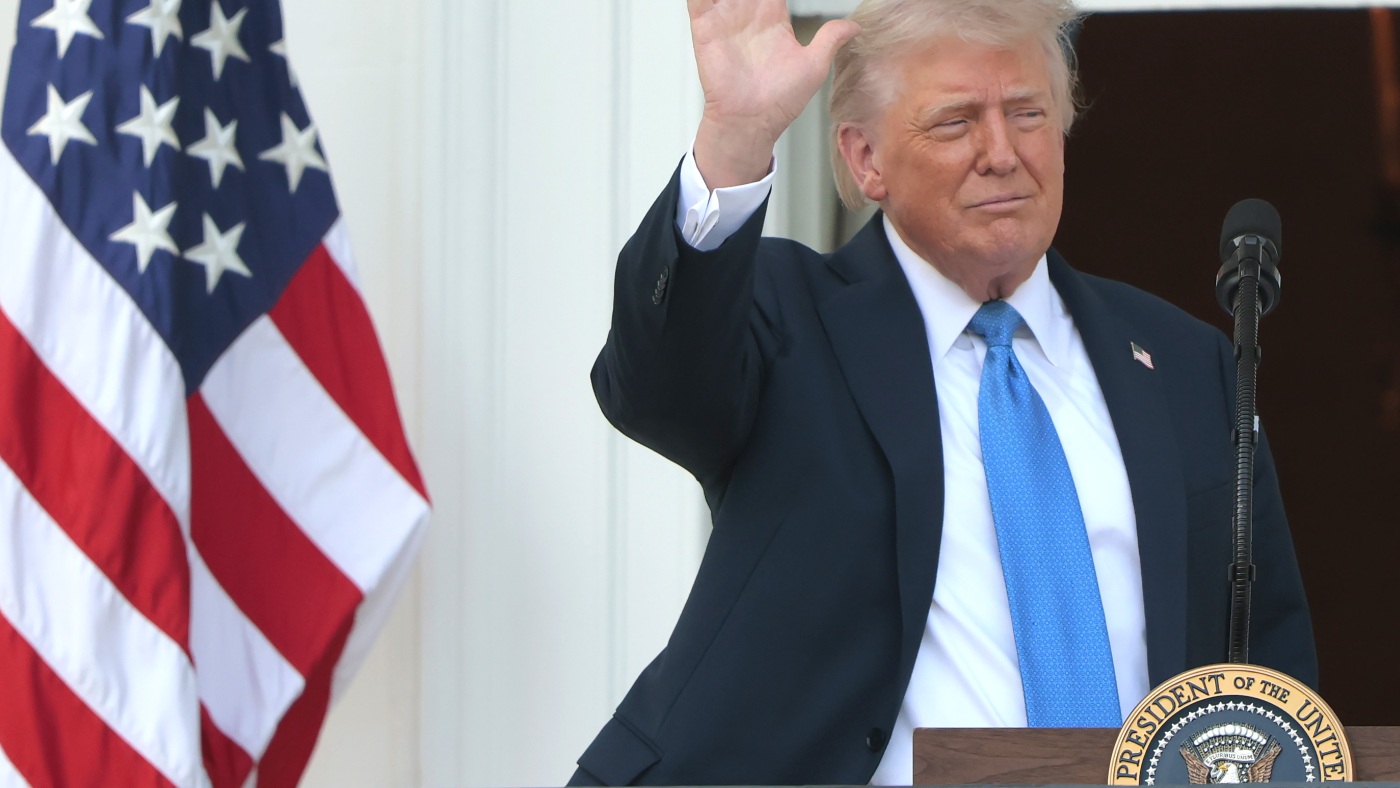
A significant move by President Trump unfolded last night with the signing of a proclamation that imposes a travel ban on 12 nations, effective June 9. According to the White House, this measure aims to safeguard the U.S. against potential terrorist threats. The full travel restriction targets travelers from Afghanistan, Burma (Myanmar), Chad, the Republic of the Congo, Equatorial Guinea, Eritrea, Haiti, Iran, Libya, Somalia, Sudan, and Yemen.

In 2017, President Trump initiated a similar travel ban during his first term, which initially included a “total and complete shutdown of Muslims entering the United States,” according to NPR’s Franco Ordoñez. This initial ban faced judicial pushback but was eventually upheld by the Supreme Court in its third version. This ban was later rescinded by former President Biden on his first day in office.
Senate Republicans are encountering hurdles in crafting a bill central to Trump’s domestic agenda. Billionaire Elon Musk criticized the bill on his platform X, describing it as a “disgusting abomination” on social media. Musk’s departure from the Department of Government Efficiency has spotlighted concerns over the bill’s implications for the national deficit. The GOP needs to secure support, as only three Senate votes can be lost to pass the bill.
Iran and the U.S. remain at an impasse in nuclear discussions. President Trump has accused Iran of delaying negotiations over its nuclear program. A pivotal issue remains Iran’s uranium enrichment, which Iran’s Supreme Leader Ayatollah Khamenei has defended as essential for national sovereignty. In contrast, Trump and Russian President Vladimir Putin have discussed involving Moscow in negotiations to expedite a resolution, although experts doubt Russia can sway Iran’s stance.
Practical Advice
Emergencies can strike unexpectedly. Learning to manage stress effectively is crucial. Guidance from emergency responders offers strategies for remaining calm in crisis situations, shared by Life Kit in a comic guide:
- ➡️ Release tension by shaking out your hands, relaxing your jaw, and controlling your breathing.
- ➡️ Assess the situation before taking action to avoid mistakes.
- ➡️ Prepare and rehearse for potential emergencies.
- ➡️ Encourage yourself with positive self-talk.
For more tips on staying composed in emergencies, listen to NPR’s Life Kit and consider subscribing to the Life Kit newsletter.
Cultural Highlights
The Metropolitan Museum of Art’s exhibit, “Superfine: Tailoring Black Style,” delves into Black dandyism over 300 years. Monica L. Miller, author of Slaves to Fashion: Black Dandyism and the Styling of Black Diasporic Identity, curates the show, highlighting the dandy’s role in challenging societal norms. “Not only is the dandy somebody who pushes boundaries and particularly in relationship to class, gender, sometimes sexuality,” Miller shared with NPR, “but then, when you think about the dandy as racialized as Black, he’s also pushing boundaries of what might seem acceptable.” The exhibition uses various media from different eras and runs through October. For a closer look, explore the exhibit.
Quick Facts
- Astronaut Kellie Gerardi, the 90th woman in space, is publicly sharing her IVF journey for a second child, aiming to support others on similar paths. Read more about her story.
- Respected author Edmund White has passed away at 85. His work left an indelible mark on LGBTQ culture and understanding, especially during the AIDS crisis. Learn about his legacy.
- In 2003, Amy Connor sought blood donors for her premature twin’s vital transfusion. Through a network of emails, a match was found, though the donor remains anonymous due to privacy laws. Connor hopes the donor knows they made a life-changing impact.
This article was originally written by www.npr.org