Temporary Ceasefire in Middle East Sparks Mixed Reactions
A tentative ceasefire between the United States and Iran has been established, with Israel expressing conditional support while maintaining its military actions against Iranian-backed forces in Lebanon. Some Gulf Arab nations have also encountered hostilities, putting the truce to an early test.
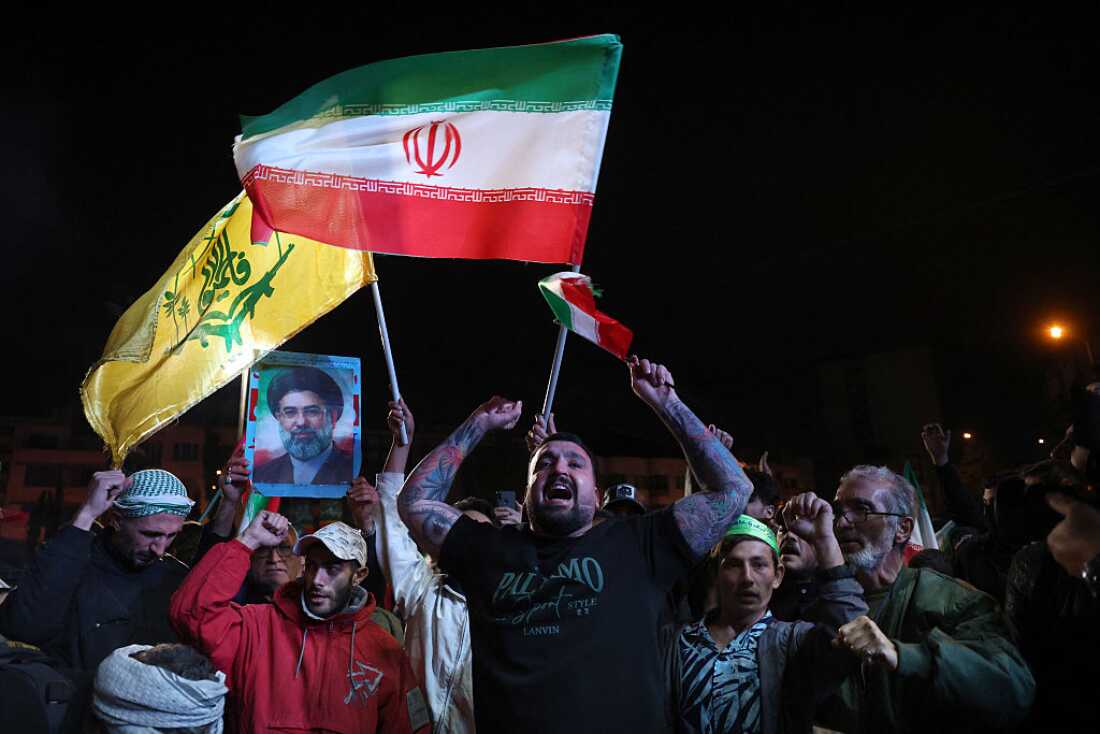
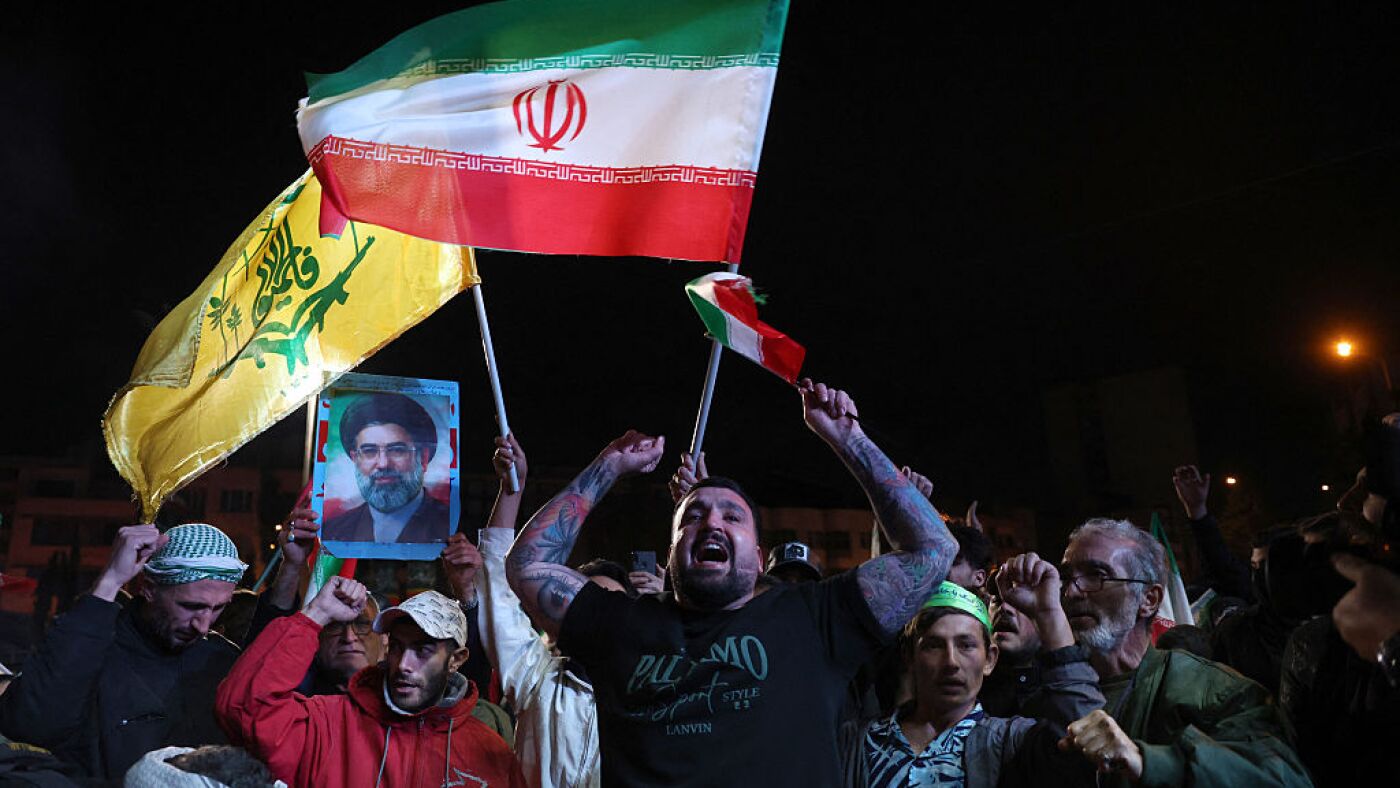
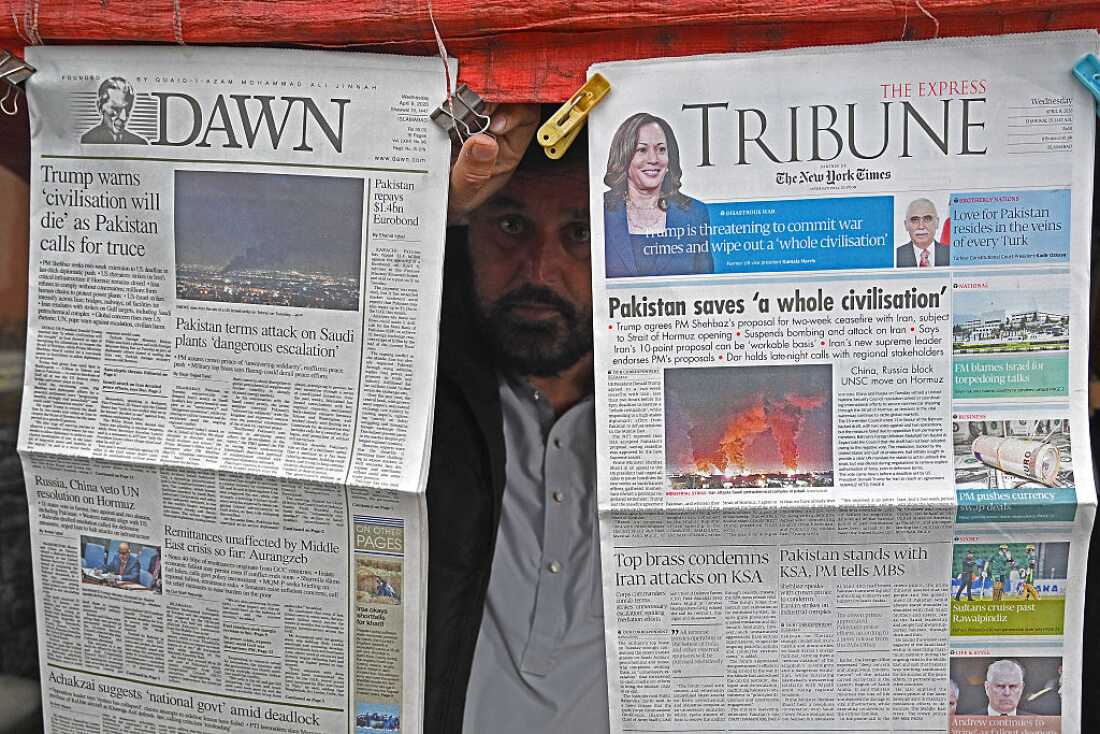
Despite the fragile ceasefire, hopes linger that it may end over five weeks of conflict in the region. The agreement was reached shortly before President Trump’s ultimatum for Iran to open the Strait of Hormuz or face severe consequences. Trump celebrated the deal, declaring it a “big day for World Peace!” on social media.
As the U.S. commits to unblocking the Strait of Hormuz, a vital channel for global trade, the news has soothed investors, leading to a surge in markets and a drop in crude oil prices. Trump also announced plans to collaborate with Iran to excavate and remove nuclear material allegedly hidden after U.S. bombings.
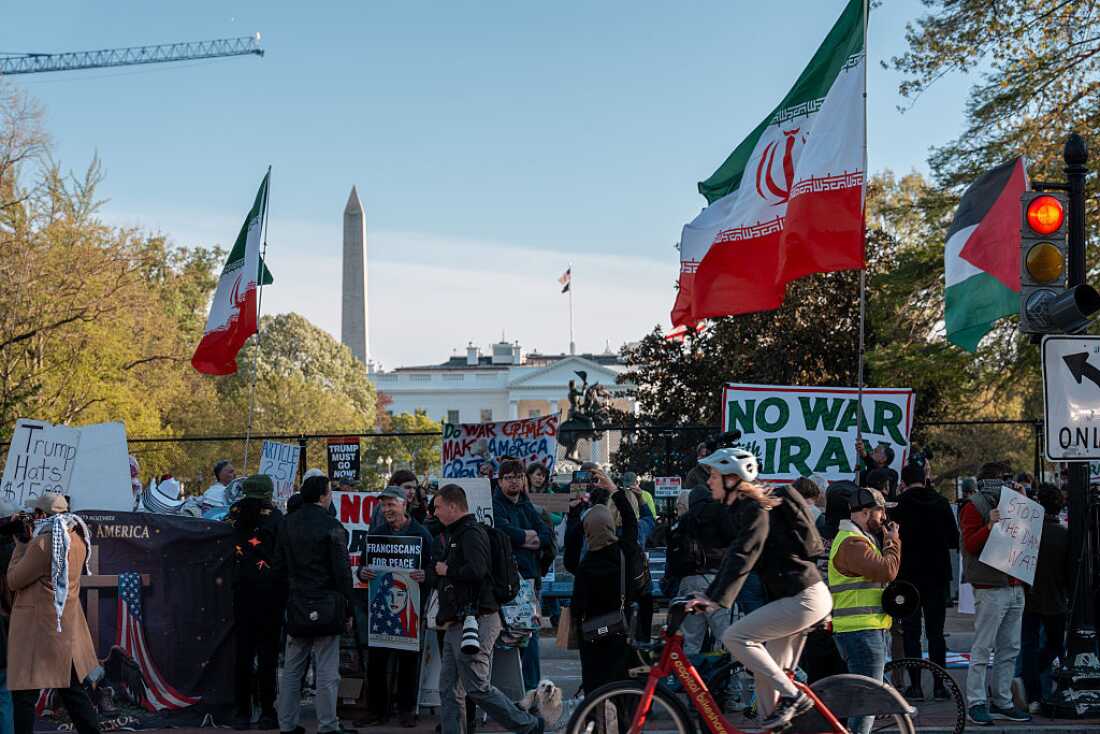
Additionally, the U.S. threatened a 50% tariff on imports from nations providing weapons to Iran. Iranian leaders, meanwhile, view the ceasefire as a triumph, asserting that the U.S. has accepted the “general framework” of their 10-point plan. Cautioning against deviations from the agreement, they stressed that any error from the opposing side would be met with full force.
Iran’s Perspective on the Ceasefire
Iranian officials, including the Supreme National Security Council, have declared the ceasefire a success, asserting that nearly all war objectives have been achieved. They thanked Pakistan’s Prime Minister Sharif for his mediation efforts. However, they warned of potential retaliation if the agreement is not honored.
Iran’s Foreign Minister Seyed Abbas Araghchi stated that if attacks on Iran cease, their defense operations will also stop, allowing for safe passage through the Strait of Hormuz.
Controversy Surrounding Hezbollah and the Ceasefire
Despite the ceasefire announcement, disagreements persist regarding its applicability to Hezbollah in Lebanon. Israel’s Prime Minister Netanyahu supports the temporary halt to U.S. actions against Iran but asserts that it does not cover Lebanon. Hezbollah insists that Lebanon is included in the ceasefire and warns of regional retaliation if Israel does not comply.

Despite Hezbollah’s silence, Israeli military operations continue in Lebanon, prompting fresh evacuation orders and leaving many displaced residents unable to return home.

Political Backlash in Israel
Israel’s opposition leader Yair Lapid harshly criticized the ceasefire, labeling it a political blunder and accusing Netanyahu of failing to meet his objectives. Netanyahu had discussions with Trump before the ceasefire announcement, highlighting ongoing concerns over Iran’s nuclear capabilities.
Release of American Journalist Shelly Kittleson
Freelance journalist Shelly Kittleson has been released following her abduction by Kataib Hezbollah. Secretary of State Marco Rubio expressed relief at her release and acknowledged the collaborative effort behind it.

Kittleson was taken by the militia group on a Baghdad street, and her release was facilitated by U.S. officials and Iraqi partners. The group has been linked to attacks on U.S. interests in Iraq, prompting military responses from the U.S. and Israel.
Contributions by Lauren Frayer in Beirut, Daniel Estrin and Carrie Kahn in Tel Aviv, and Jane Arraf in Amman.
This article was originally written by www.npr.org