U.S. Gas Prices Surge Amid Ongoing Conflict in Iran
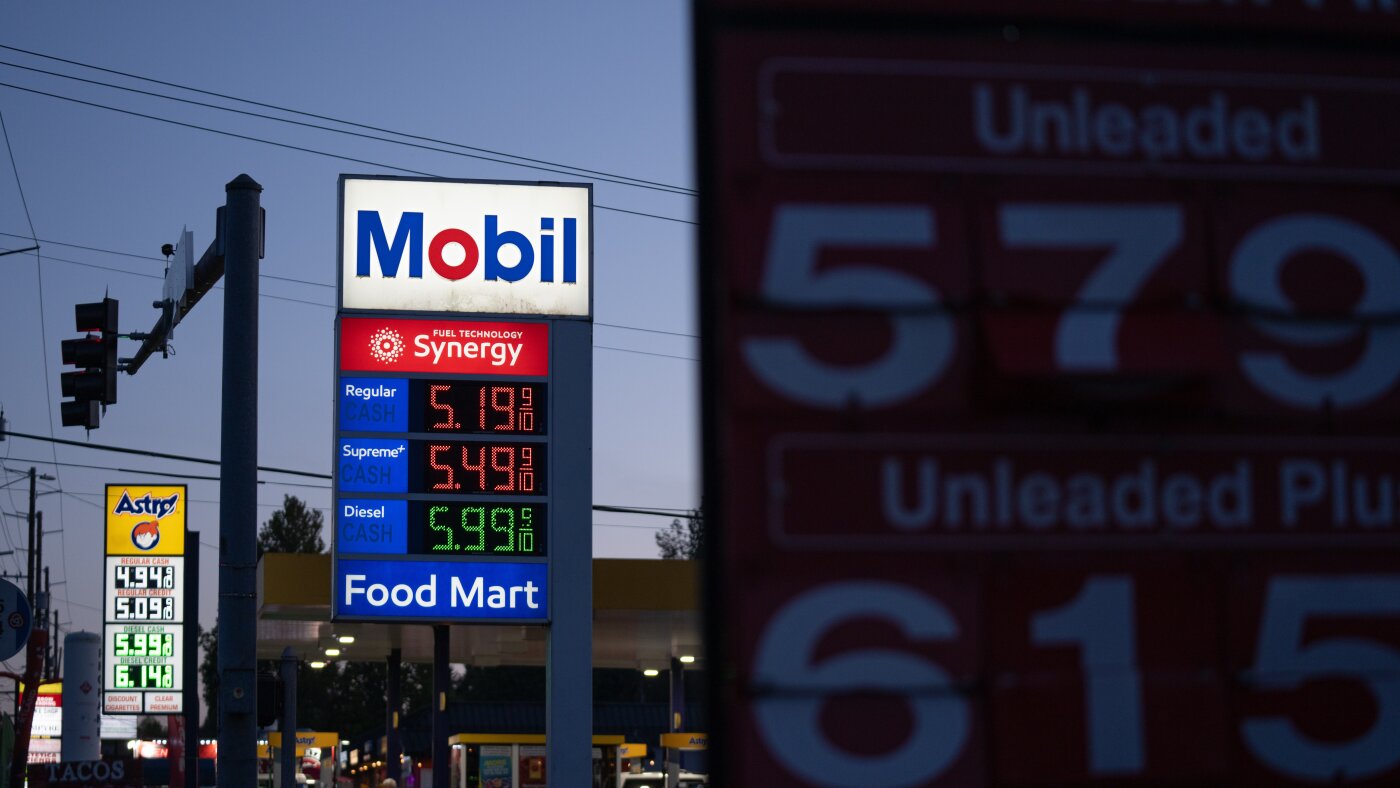
Amid escalating tensions in Iran, American consumers are feeling the pinch at the pump. Gas prices have soared over 30 cents per gallon within just a week, with expectations of further increases due to the closure of the Strait of Hormuz, a vital oil trade passage.
As of Sunday, the average price for regular gasoline reached $4.446, a noticeable rise from $4.099 just a week prior, according to AAA’s fuel site. This marks a significant jump from $2.98 on February 26, just before the conflict began, and even more so from $3.171 a year ago, as per AAA data.
According to the automotive group, current U.S. gas prices are the highest observed since late July 2022. President Trump has assured the public that gas prices will “drop like a rock” once the conflict in Iran concludes. However, experts caution that the reopening of the Strait of Hormuz may not immediately translate to lower prices.
Kevin Book, co-founder of ClearView Energy Partners, emphasized that prolonged closure of the strait could lead to even higher prices. “When inventories are low and you can’t get oil out of the ground or out of the strait, you should expect prices to keep rising at least until demand capitulates and starts to contract,” Book stated on NPR’s Weekend Edition. He projected that it could take weeks or months before prices peak.
Book also noted the potential for recessionary impacts if prices were to fall sharply, suggesting such a drop would “probably be a bad one, not a good one.” The Department of Energy has been releasing crude oil from the U.S. Strategic Petroleum Reserve to mitigate price escalations, with 17.5 million barrels released between March 20 and April 24, according to U.S. Energy Information Administration data.
In a bid to stabilize the market, seven OPEC+ countries agreed to boost production by 188,000 barrels per day starting in June.
Meanwhile, the increased costs are straining American wallets amid a depreciating U.S. dollar. The dollar has fallen roughly 10% from January 2025 to April 2026, with significant losses in early 2025, according to Morgan Stanley. This decline could make foreign travel more costly for Americans and increase prices for imports, although U.S. exporters might benefit.
This article was originally written by www.npr.org