
U.S. Sees Notable Drop in Homelessness for Second Consecutive Year
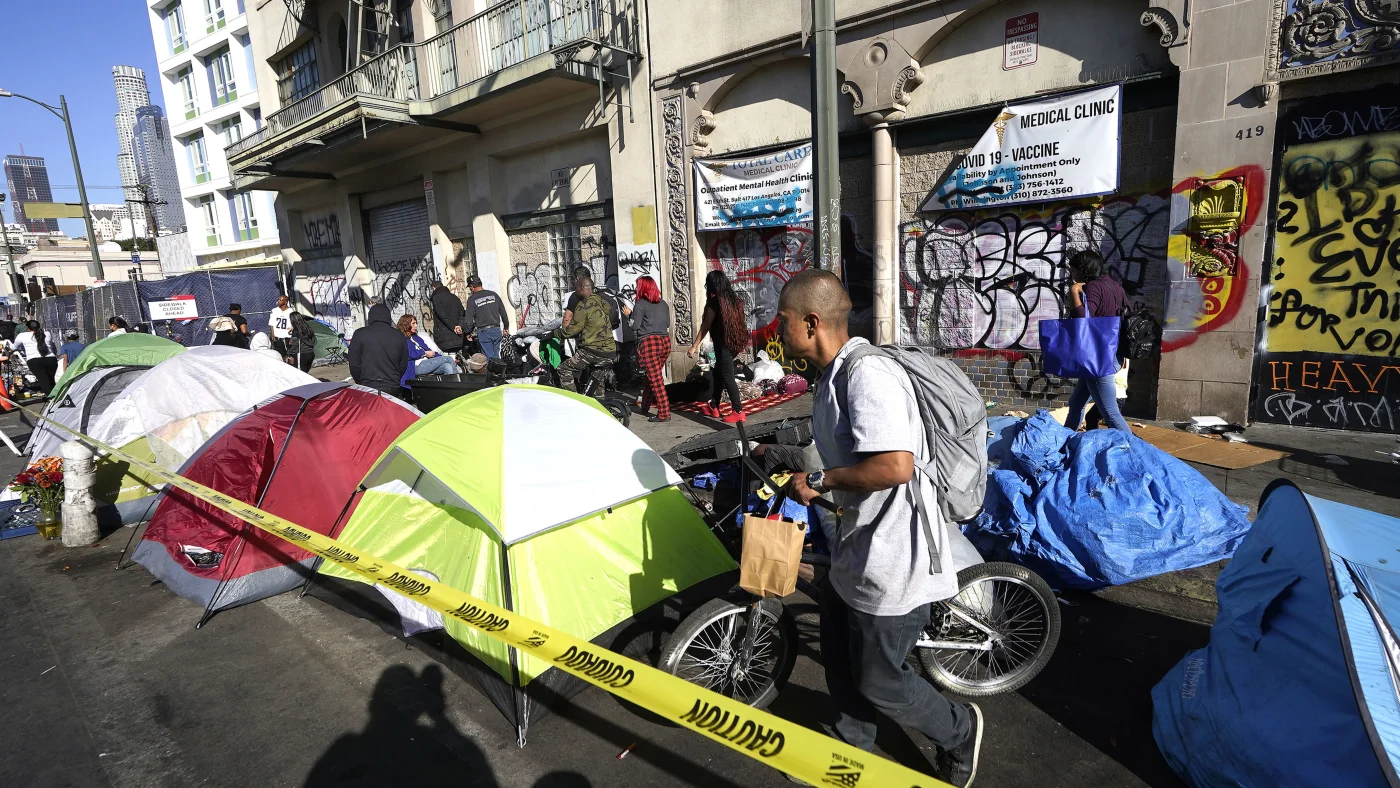
In a surprising turn of events, homelessness in the United States has seen a significant decrease, marking the second consecutive year of decline. This positive trend has resulted in over 49,000 fewer individuals experiencing homelessness, a reduction of more than 6% since 2025.
According to Housing and Urban Development Secretary Scott Turner, “President Trump’s actions to secure the border, get criminal illegals off our streets, and restore safety to our communities drove a historic decrease in homelessness.” This statement was made following an annual count of homelessness across the nation, although a detailed report from the agency is still awaited.
In addition to the government’s findings, an independent analysis commissioned by the National Alliance to End Homelessness confirmed a similar decline. However, the alliance attributed the decrease to effective congressional funding and housing programs. Ann Oliva, CEO of the alliance, commented, “It’s good news that more people are getting housed, and that the programs that are funded by Congress are working.”
Despite these improvements, nearly 700,000 people remain homeless in the U.S., a figure still significantly higher than pre-pandemic levels.
The Trump administration credits its immigration policies as a crucial factor in the decline. Cities like New York, Chicago, Boston, and Denver have seen an influx of asylum seekers, impacting the homeless shelter populations. Notably, these cities account for a significant portion of the recent reductions, according to Devon Kurtz, Public Safety Policy Director at the Cicero Institute.
San Francisco, focusing on sober-living options, has also seen a decline in homelessness. While this approach aims to support recovery by prohibiting drugs and alcohol, critics argue it could lead to relapses and increased street homelessness.
The Trump administration proposes expanding programs requiring sobriety and integrating addiction and mental health treatment into temporary housing solutions. However, their efforts to redirect homelessness spending toward these initiatives have faced legal challenges, with courts blocking the overhaul.
The administration criticizes the existing federal policy focusing on permanent housing first, claiming it failed during the pandemic. Oliva, however, emphasizes that housing-first programs significantly contributed to the recent decrease, notably among veterans. “Investments in programs like that are much closer to the scale of need for veterans than for any other population experiencing homelessness,” she stated. The number of homeless veterans dropped over 7% last year and has seen a nearly 60% decrease since 2010.
For those chronically homeless and struggling with mental health and addiction, Oliva advocates for more permanent housing solutions, noting that this group saw a minor increase last year.
HUD also highlights a crackdown on encampments, supported by a Supreme Court decision allowing cities to ban public camping. However, Oliva’s analysis suggests cities with such bans fared worse than the national average.
The recent decline in homelessness is also attributed to softer rental markets and assistance provided during disaster responses in areas such as western North Carolina and Hawaii, where displaced individuals received new support.
This article was originally written by www.npr.org



Comments are closed.