
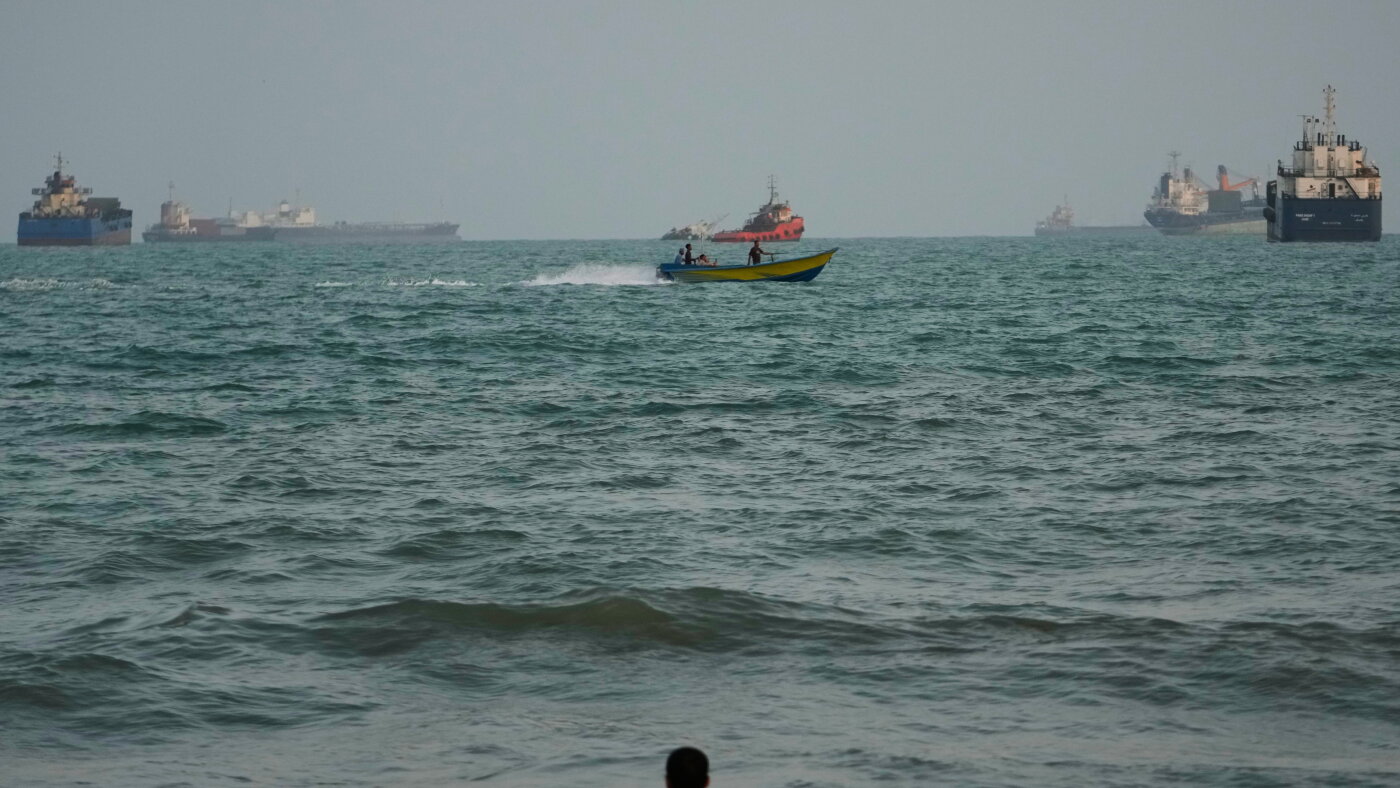
In a move that underscores the growing tensions in the Middle East, the U.S. military announced it had targeted three Iranian oil tankers. This action comes after a series of missile attacks on Navy warships, as friction between the two nations escalates.
Escalation of Hostilities
On Saturday, the U.S. military revealed strikes on Iranian oil tankers, a day after President Donald Trump downplayed the conflict as “small potatoes.” This marks a continuation of hostilities that have seen intermittent military and economic skirmishes since February 28, when U.S. and Israeli forces initially launched attacks. The military engagements have intensified as diplomatic efforts have failed.
According to the U.S. military’s statement, an aircraft carrier and a destroyer managed to evade multiple Iranian attacks while patrolling the region. The military reported that two of the Iranian oil tankers were severely damaged, while a third was destroyed.
Funding Networks and Strategic Locations
The tankers, part of a clandestine network funding Iran’s Revolutionary Guard and its regional proxies, were targeted as part of the U.S. strategy to undermine Tehran’s military capabilities. Iranian state television reported that four U.S. missiles hit a tanker near Kharg Island, a strategic oil export terminal frequently targeted during the ongoing conflict.
The U.S. confirmed one tanker was struck off Kharg Island, another near Jask, and the unladen vessel in the Gulf of Oman. The military shared purported video evidence of these strikes.
“We will not hesitate to defend American forces, and if necessary, destroy Iran’s limited and exposed oil fleet,” stated Adm. Brad Cooper, head of U.S. Central Command.
The Broader Implications
These military actions follow a recent resurgence of hostilities after a brief period of calm. The region has seen renewed violence, with a U.S. bombardment killing five people in southern Iran earlier in the week.
The conflict is further complicated by economic pressures the U.S. is placing on Iran, attempting to curb Tehran’s nuclear ambitions. However, diplomatic efforts have stalled since a memorandum of understanding was signed in June. Iran’s strategic control over the Strait of Hormuz, a crucial route for global oil and natural gas shipments, adds another layer of complexity to the situation. The U.S. continues to assist in navigating ships through this contested waterway.
As the conflict persists, the international community watches closely, aware of the broader implications for global energy markets and regional stability.
This article was originally written by www.npr.org




Comments are closed.