Ukraine’s Struggle with Russian Missile Attacks Amid Global Patriot Shortage
In the early hours of Saturday, a wave of Russian ballistic missiles targeted Ukraine, with a significant number hitting the capital, Kyiv. The attack resulted in the deaths of nine individuals and left over 30 injured. This assault, involving 27 ballistic missiles, was notably larger than usual, despite Russia’s frequent nightly airstrikes on Ukraine.
Ukraine’s defense capabilities were severely tested, as only one missile was intercepted. President Volodymyr Zelenskyy highlighted this vulnerability, pointing out, “Only one ballistic missile was intercepted, simply because there are no interceptors for the Patriot systems,” on social media.
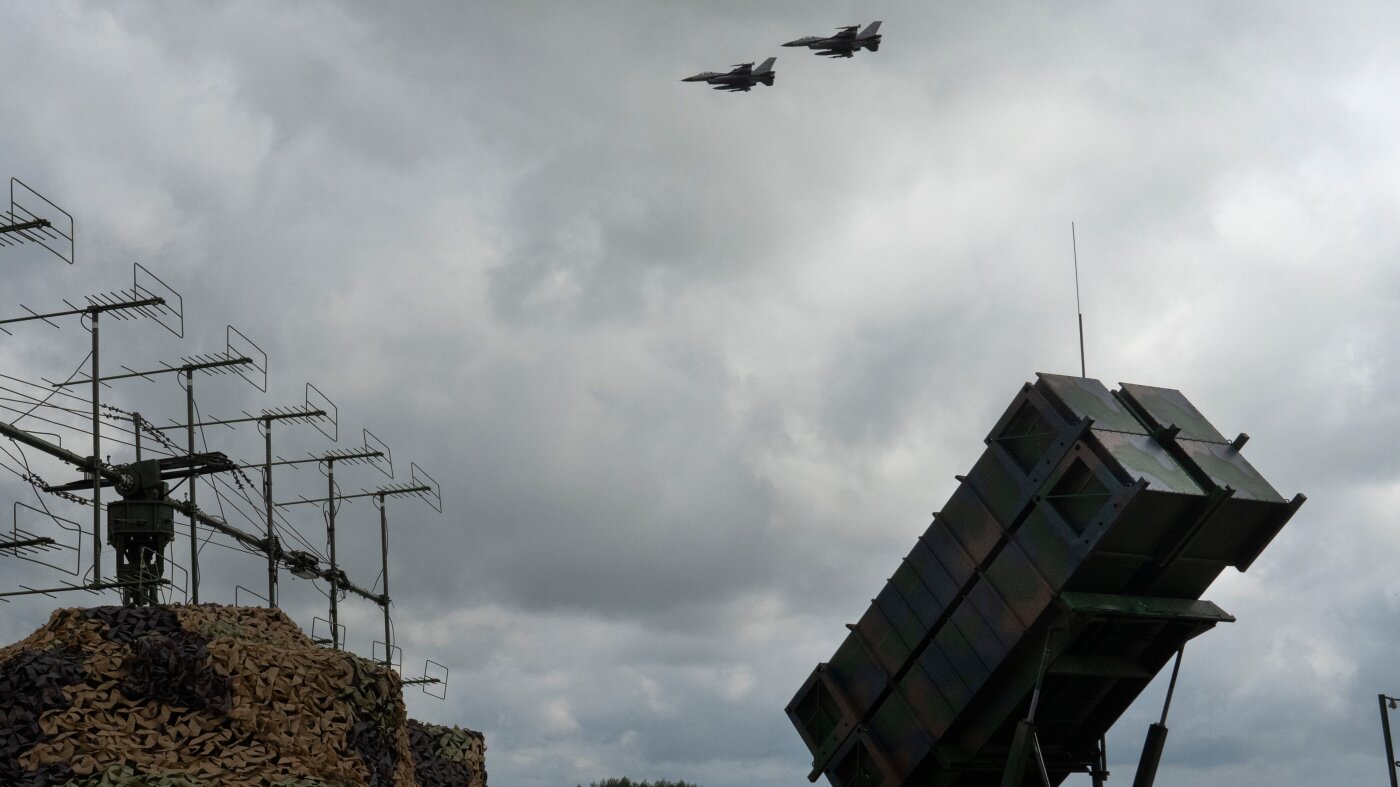
The U.S.-made Patriot air defense system is Ukraine’s primary defense against such missile threats. However, the Ukrainian military’s effectiveness has been compromised due to a lack of interceptors, a situation worsened by recent Russian attacks.
Global Demand for Patriot Interceptors
The urgency for Patriot interceptors is not unique to Ukraine. The United States is also grappling with its declining stockpiles, exacerbated by ongoing conflicts, particularly the war in Iran. As U.S. allies in the Gulf express concerns about their own interceptor supplies, the global demand for Patriots has increased significantly.
Defense Secretary Pete Hegseth previously dismissed reports of a Patriot missile shortage as a “manufactured story,” but acknowledged the lengthy process of replenishing supplies. The Center for Strategic and International Studies reported a reduction of U.S. Patriot missiles from over 2,300 to around 800.
This decline has implications for many countries that rely on the Patriot system for defense against ballistic missiles. Russia and Iran have been launching missiles at rates that exceed the production of new interceptors.
Efforts to Replenish and Expand Production
Raytheon, now RTX, and Lockheed Martin manufacture the Patriot systems and missiles, respectively. They aim to increase production, but meeting the surging demand is a complex challenge. The two companies have been producing fewer than 1,000 missiles annually, a pace insufficient for current needs.
Ukraine, which began receiving Patriot systems three years ago, sees them as vital for defense and has consistently appealed for more systems and missiles. Zelenskyy has urged other nations to send their Patriots, emphasizing their immediate necessity over hypothetical scenarios.
Challenges in Licensing and Production
At a recent NATO summit, former President Trump initially promised Ukraine the ability to manufacture its own Patriots. However, he later expressed reservations about sharing such technology. Despite this, some U.S. lawmakers support the idea, arguing it could alleviate the interceptor shortage.
Even with a manufacturing license, Ukraine would face delays due to complex supply chains for missile components. Currently, only Germany and Japan have U.S. licenses to produce Patriots.
The U.S. also has the THAAD system, shared only with Saudi Arabia and the UAE. However, U.S. THAAD missile stockpiles have also diminished due to usage in the Iran conflict.
This article was originally written by www.npr.org