The Origins of the Oscars: Unraveling the Mystery Behind Hollywood’s Iconic Statuette
As Hollywood’s elite prepare for the 98th Academy Awards, the question of how the ceremony’s iconic gold statuette came to be known as “Oscar” remains as intriguing as ever. While many refer to the event simply as “the Oscars,” the origin of the nickname for the Academy Award of Merit is shrouded in mystery and myth.
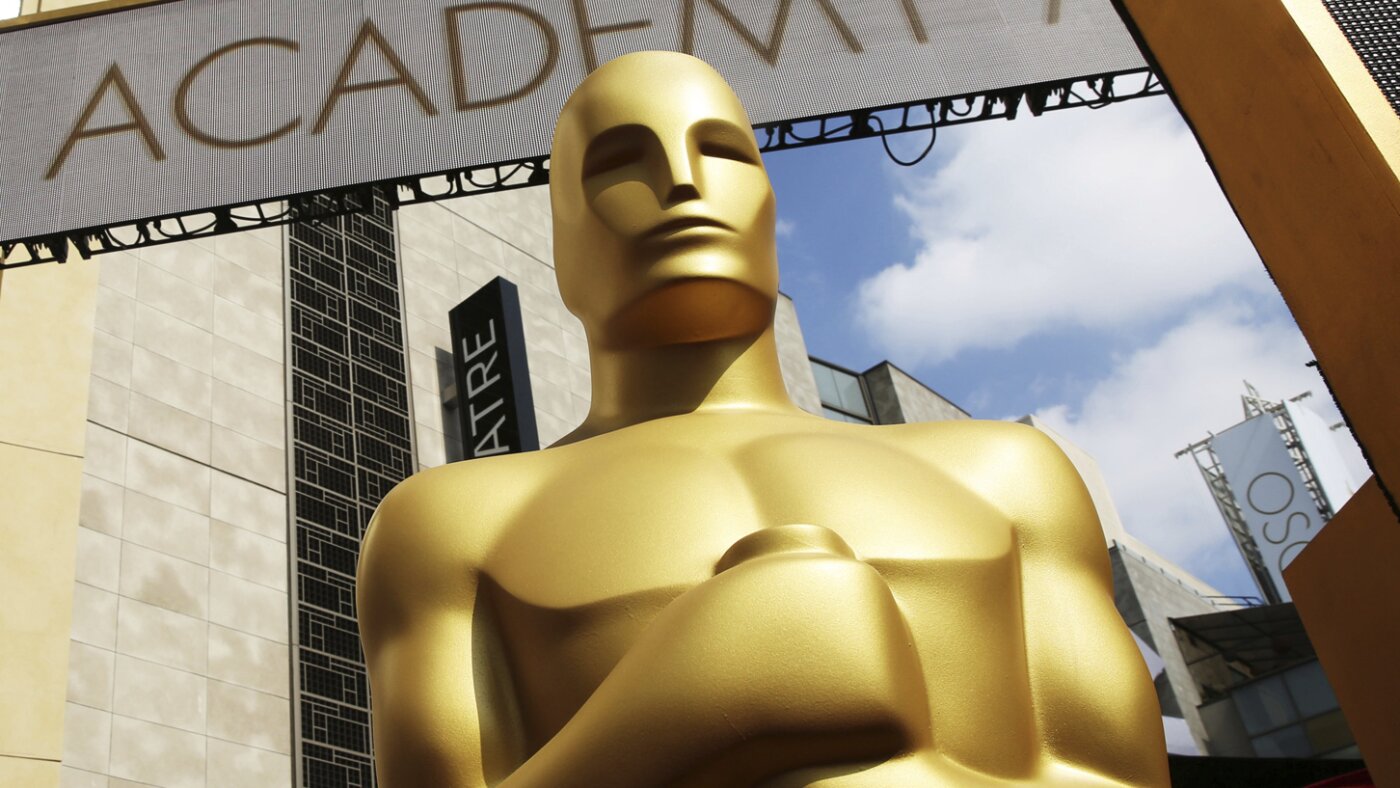
The statuette, a creation of Metro-Goldwyn-Mayer’s art director Cedric Gibbons, was crafted by sculptor George Stanley. Standing at 13 1/2 inches tall and weighing 8 1/2 pounds, the award depicts a knight holding a crusader’s sword, standing on a reel of film. The Academy officially adopted the nickname “Oscar” in 1939, ten years after its initial design.
During his time as the Academy’s executive director, Bruce Davis was frequently asked about the origins of the Oscar nickname. Despite the curiosity, the answer remained elusive. Davis decided to delve deeper into the history, resulting in his 2022 book, The Academy and the Award. He aimed to uncover the truth behind the nickname, sifting through various myths and claims.
The Debunked Claims
One popular theory credits entertainment journalist Sidney Skolsky, who used “Oscar” as a shorthand in a 1934 column. Skolsky allegedly coined the term while struggling with the word “statuette” and drew inspiration from a vaudeville routine. However, Davis points out that “Oscar” appeared in print before Skolsky’s article.
Another claim involves actress Bette Davis, who suggested in her autobiography that she named the award after her husband, Harmon Oscar Nelson Jr. However, Davis later retracted this claim, acknowledging that the nickname existed before her win in 1936.
The More-Likely Suspects
Margaret Herrick, the Academy’s librarian-turned-executive director, is often cited as the originator. She is said to have remarked that the statue resembled her uncle Oscar. However, Davis remains skeptical of this explanation due to the lack of clear evidence.
Davis proposes an alternative theory involving Eleanore Lilleberg, a secretary at the Academy who managed the statuettes before ceremonies. In writings found at the Einar Lilleberg Museum, Eleanore’s brother credits her with calling the award “Oscar” as a playful nod to a Norwegian veteran they knew.
The Lingering Mystery
Despite Davis’s thorough research, the true origin of the Oscar nickname remains uncertain. The name has endured, becoming synonymous with excellence in filmmaking. Davis notes, “If I had come up empty, I wouldn’t be arguing that we need to change the name,” emphasizing the tradition and familiarity that the name “Oscar” has brought to the awards.
Today, many prestigious awards across the globe have adopted personal names, inspired by the Oscars’ legacy. Regardless of who “Oscar” was, the name has become an integral part of Hollywood lore, embodying the glamour and prestige of the film industry.
This article was originally written by www.npr.org