Trump Directs Homeland Security Not to Intervene in Protests Without Local Request
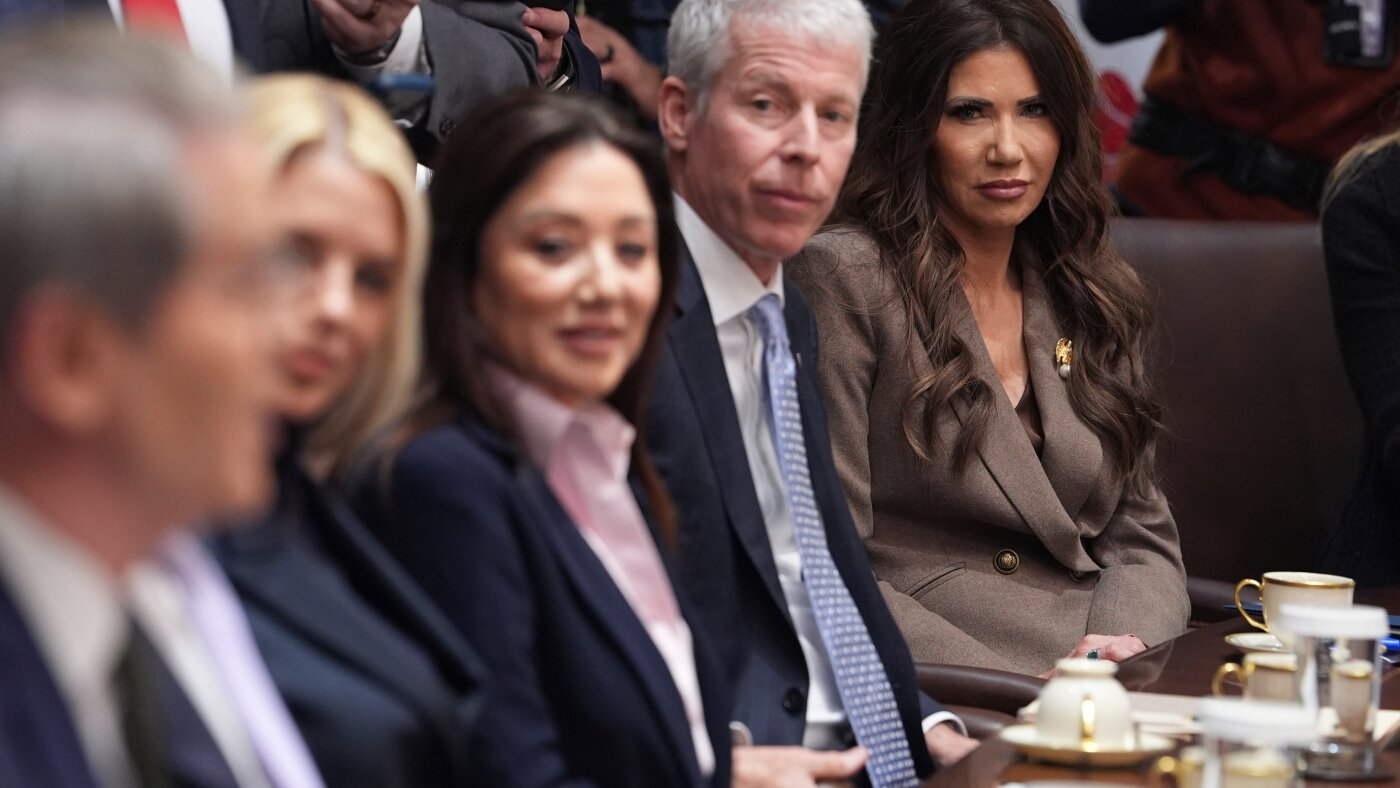
In a strategic decision that underscores the tension between federal and local authorities, President Donald Trump announced from Air Force One that Homeland Security Secretary Kristi Noem has been instructed to withhold intervention in protests in Democrat-led cities, unless specifically asked by local officials.
On his social media platform, Trump emphasized that federal involvement would be withheld under all circumstances unless a request for assistance is made. “Under no circumstances are we going to participate in various poorly run Democrat Cities with regard to their Protests and/or Riots unless, and until, they ask us for help,” he stated.
Although specific details on how this directive will impact operations by U.S. Immigration and Customs Enforcement (ICE) and other federal agencies remain unclear, Trump noted that federal properties would be vigorously protected: “We will, however, guard, and very powerfully so, any and all Federal Buildings that are being attacked by these highly paid Lunatics, Agitators, and Insurrectionists.”
The President further instructed ICE and Border Patrol to be “very forceful” in safeguarding federal assets, reflecting his administration’s hardline approach to law enforcement. During a conversation with reporters en route to Florida, Trump criticized Democratic cities for their complaints, suggesting that federal assistance would only be provided upon formal request. “If they want help, they have to ask for it. Because if we go in, all they do is complain,” he said, adding that city leaders need to say “Please.”
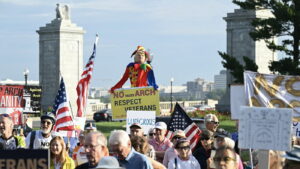
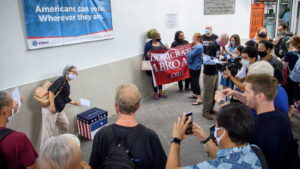
Despite opposition, the Trump administration has previously deployed federal forces in various Democratic regions, including Washington, Los Angeles, Chicago, and Portland. This directive comes amidst growing resistance, particularly in Minnesota’s Twin Cities, where federal actions have sparked widespread protests.
In response to criticism of federal law enforcement’s actions, Trump reiterated a firm stance, stating that those who oppose federal officers “will have to suffer” consequences. “You see it, the way they treat our people. And I said, you’re allowed, if somebody does that, you can do something back. You’re not going to stand there and take it if somebody spits in your face,” he expressed.
In Minnesota, the situation has intensified following the fatal shootings of Renee Good and Alex Pretti by federal officers. The state’s Attorney General, Keith Ellison, along with the mayors of Minneapolis and St. Paul, have legally challenged the federal immigration surge, citing constitutional violations. However, a federal judge has refused to halt these operations as litigation proceeds.
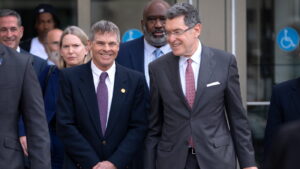
Meanwhile, as part of a potential resolution, Trump’s border czar, Tom Homan, suggested a possible reduction in immigration enforcement officers in Minnesota, contingent on local cooperation. Homan’s visit to Minneapolis after the shootings indicated a potential easing of tensions.
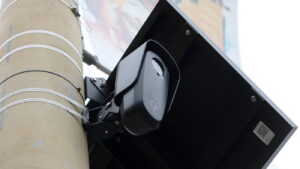
In a notable development, President Trump mentioned discussions with Homan and Noem about the possibility of immigration officers using body cameras, possibly enhancing transparency. “I think it would help law enforcement but I’d have to talk to them,” Trump commented, noting an “80% in favor” benefit for law enforcement from such measures.