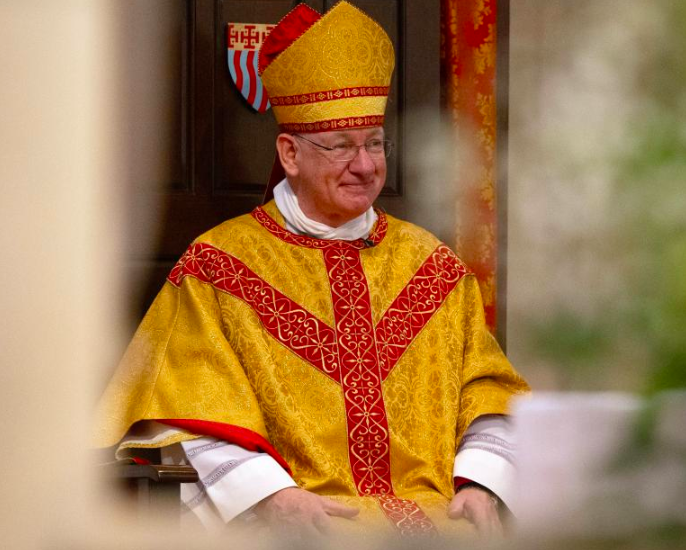
As the Catholic Church in England and Wales welcomes its new leader, Archbishop Richard Moth, a call for change and reflection resonates throughout the community. His recent installation as Archbishop of Westminster brings a renewed focus on addressing past failures and ensuring the safety of all within the Church.
Archbishop Moth, who took over from Cardinal Vincent Nichols, emphasized the importance of learning from the past, particularly in light of previous abuse scandals that have marred the Church’s reputation. “Here I am most aware of every occasion on which members of the Church, or the Church as a whole, have failed, most especially when the vulnerable have been abused,” he stated during his homily.
He stressed that the Church must engage in active listening to those affected and remain dedicated to creating safe environments. His commitment to evangelization was clear, though he acknowledged the challenges posed by the Church’s past mistakes. The Archbishop encouraged believers to approach the task of sharing the Gospel with “boldness” and a spirit of service.
Richard Moth, the 12th Archbishop of Westminster, follows Cardinal Nichols, who retired after a distinguished 16-year tenure. Moth’s previous roles included serving as a priest in the Archdiocese of Southwark and later as Bishop of the Forces and Bishop of Arundel and Brighton.
The installation ceremony was attended by prominent ecumenical figures, including the newly confirmed Archbishop of Canterbury, Dame Sarah Mullally. She expressed anticipation for their collaboration as co-presidents of Churches Together in England, stating, “I very much look forward to working with you to deepen our relationships and to strengthen our shared Christian witness.”
With a focus on healing and progress, Archbishop Moth’s leadership signals a pivotal moment for the Catholic Church, aiming to reconcile with its past while looking to the future with hope and responsibility.
This article was originally written by www.christiantoday.com