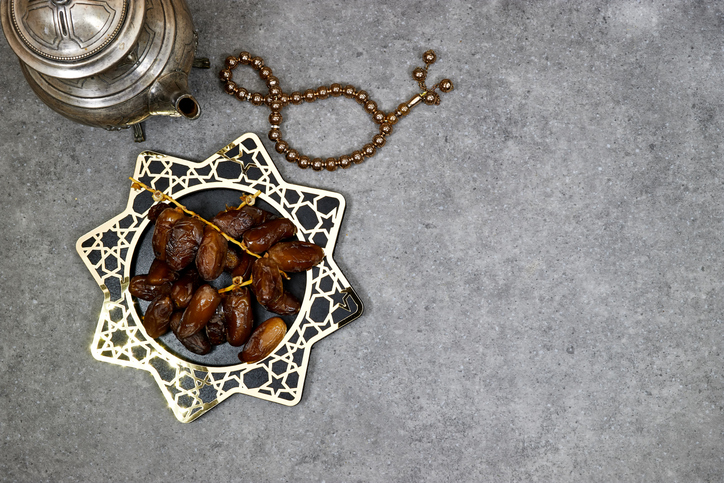

For Christians interested in engaging with their Muslim neighbors, Ramadan offers a significant moment, suggests a missiologist. Dr. Emil Saleem Shehadeh, in a Lausanne Movement article series, emphasizes the potential of this time for Christians to share their faith.
Dr. Shehadeh points out that as Muslim populations grow in Western countries due to migration and birth rates, many Christians are eager to learn how to witness to Muslims effectively. He advocates for relational engagement over debate, especially during Ramadan.
The ninth month of the Islamic lunar calendar, Ramadan involves fasting from dawn to sunset, increased prayer, and acts of charity. This period is deeply spiritual for Muslims, who devote more time to reading the Qur’an and attending additional prayers.
Dr. Shehadeh notes that during Ramadan, Muslims may be more spiritually open, making it an ideal time for respectful gospel conversations. His research with 4,833 Muslim-background Christians (MBCs) revealed that most found Christ through personal relationships rather than public evangelism.
He advises Christians to approach these interactions with respect, suggesting actions like avoiding eating in front of fasting Muslims and showing genuine interest in their experiences during Ramadan.
Accepting an invitation to break the fast at an iftar meal can be a meaningful gesture of friendship and trust, according to Dr. Shehadeh. Additionally, Christians might consider inviting Muslim neighbors to share a meal or discussing the life of Jesus as depicted in the Gospel.
Dr. Shehadeh also recommends that Christians might fast themselves, using it as a way to discuss the differences between ritual obligations and the Christian view of grace. He highlights that 17% of those who left Islam cited concerns over a works-based salvation as influential in their spiritual journey.
Dr. Shehadeh encourages Christians to gently explain the biblical teaching that salvation is “by grace … through faith” (Ephesians 2:8-9) and to focus on Christ’s life and character. By centering discussions on Jesus’ sacrifice and assurance, Christians can draw distinctions without critiquing.
Churches are encouraged to use Ramadan as a bridge rather than a barrier, understanding its significance to Muslims and viewing it as a chance to share God’s love with those who earnestly seek Him.
“Be considerate, kind, respectful and sensitive. But above all, share the story of the Lord Jesus, and how he came to fulfil the law, and remove the burden of rituals and feasts. Offer a contrast between what a Muslim has and what you have to look forward to in the life to come.”
This article was originally written by www.christiantoday.com