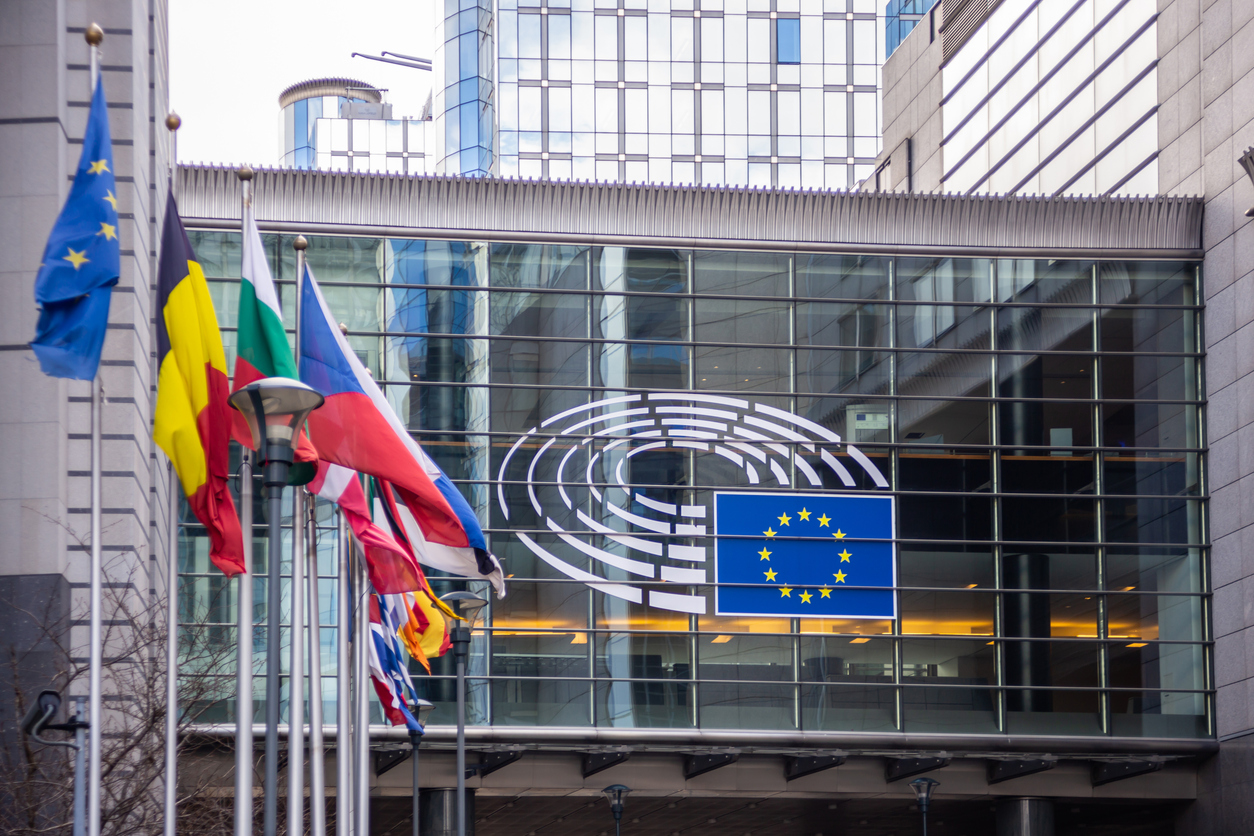
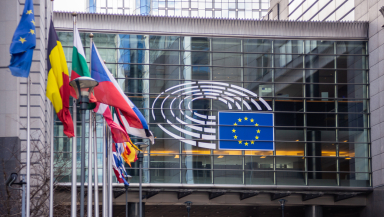
The European Parliament has recently taken a significant step in addressing the growing concern of “Christianophobia” by recognizing its impact on Christian communities worldwide. This move is part of a broader resolution that condemns all forms of racism and discrimination.
Passed at the end of January, the resolution emphasizes the plight of Christians in the Middle East, a region that holds historical significance as the origin of Christianity. It highlights the severe challenges faced by these communities, including persecution, discrimination, and forced displacement.
“Christian communities in the Middle East, among the oldest in the world, continue to face severe persecution, discrimination, forced displacement and restrictions on their freedom of religion or belief,” the resolution stated.
The document underscores the fact that Christianity is currently the most persecuted religion globally, affecting over 380 million individuals. However, the resolution points out the absence of a European coordinator to combat Christianophobia, contrasting this with the existence of a coordinator for Islamophobia.
This resolution is part of a 2025 European Parliament report on human rights and democracy. The report reaffirms the Parliament’s stance against racism, intolerance, antisemitism, Islamophobia, xenophobia, and discrimination based on various criteria, urging for enhanced reporting mechanisms and legal remedies.
The Observatory on Intolerance and Discrimination Against Christians in Europe (OIDAC) has expressed approval of the Parliament’s recognition of the issue. It noted the imbalance within the EU’s anti-discrimination efforts, highlighting the lack of a dedicated role to address anti-Christian discrimination.
By acknowledging this gap, the OIDAC stated, “the Parliament not only acknowledges the global scale of anti-Christian persecution but also highlights an institutional asymmetry within the EU’s existing anti-discrimination architecture.”
This article was originally written by www.christiantoday.com