President Trump Voices Concern Over Stalled Iran Nuclear Talks
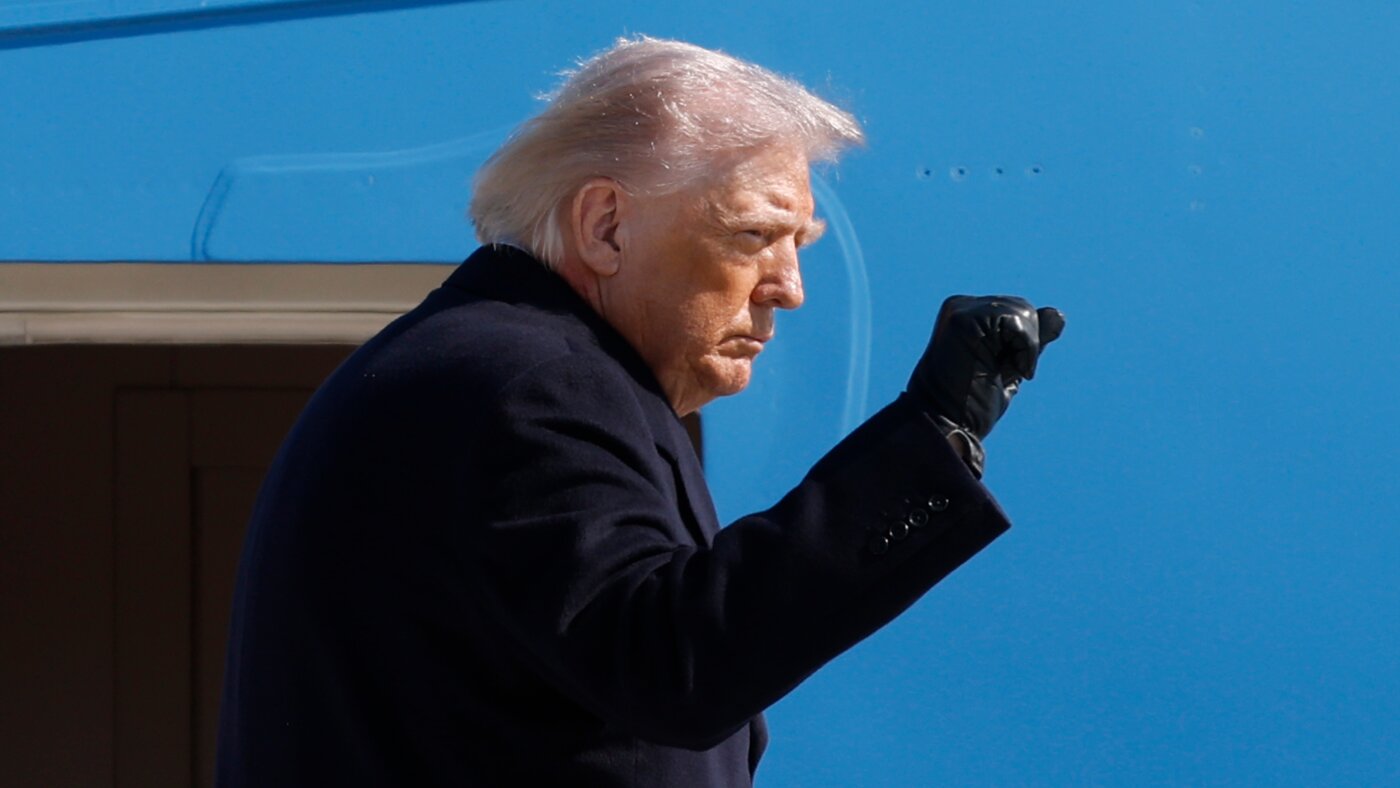
President Donald Trump has expressed dissatisfaction with the ongoing negotiations surrounding Iran’s nuclear program, though he remains open to allowing more time for negotiators to reach a consensus. His comments come in the wake of another round of inconclusive discussions between U.S. and Iranian representatives in Geneva.
Speaking from Tel Aviv, Trump stated his displeasure with the current state of the discussions, emphasizing the necessity of a comprehensive agreement to prevent a potential conflict in the Middle East. Despite the presence of U.S. military forces in the region and the looming threat of military action, Iran maintains its right to enrich uranium for peaceful purposes, denying any ambitions to develop nuclear weapons.
“I’m not happy with the fact that they’re not willing to give us what we have to have,” Trump remarked to reporters. “We’re not exactly happy with the way they’re negotiating. They cannot have nuclear weapons.”
Oman’s Foreign Minister Badr al-Busaidi, a mediator in the talks, urged patience, suggesting that a deal is achievable if the negotiators are given adequate space to resolve outstanding issues. “If I was President Trump, my only advice is just to give those negotiators enough room, enough space to really close these remaining areas that we need to discuss and agree upon,” al-Busaidi stated on CBS’s Face the Nation.
U.S. Diplomatic Movements and Military Preparations
U.S. Secretary of State Marco Rubio is set to visit Israel next week, highlighting the significance of regional priorities, including the situation with Iran. This visit follows advisories from the U.S. Embassy in Israel for staff to consider leaving the region, indicating a potential escalation in military actions.
The State Department confirmed Rubio’s visit, noting discussions will cover Iran, Lebanon, and efforts related to President Trump’s 20-Point Peace Plan for Gaza. Israeli Prime Minister Benjamin Netanyahu has been vocal about the need for stronger U.S. measures against Iran, warning of potential Israeli retaliation to any Iranian aggression.
Before his trip, Rubio labeled Iran as a “state sponsor of wrongful detention,” suggesting the possibility of further travel restrictions if Iran continues its current practices. This follows a confidential U.N. report indicating Iran’s non-compliance with inspections at nuclear sites post-Israeli strikes.
International Reactions and Security Warnings
The U.S. Embassy in Jerusalem has initiated “authorized departure” status, allowing nonessential staff to leave at government expense. Ambassador Mike Huckabee has advised those considering departure to act swiftly, acknowledging the uncertainty of available flights.
Other international responses include the suspension of flights by airlines like KLM and the withdrawal of diplomatic staff by countries such as Britain and Australia. These actions underscore the heightened security concerns in the region.
U.N. Secretary-General António Guterres has called for a focus on diplomatic solutions, noting both encouraging diplomatic messages and concerning military developments in the region.
Continued Negotiations and Diplomatic Efforts
Despite the lack of a breakthrough in Geneva, technical talks are scheduled in Vienna, with the hope of advancing negotiations. Iranian Foreign Minister Abbas Araghchi has reiterated Iran’s demands for sanction relief in exchange for nuclear program limitations.
Oman’s al-Busaidi remains optimistic about the progress of the talks, citing Iran’s willingness to compromise on uranium enrichment and allow for comprehensive inspections. Diplomatic engagement continues, with U.N. officials urging a focus on resolving the crisis through dialogue.