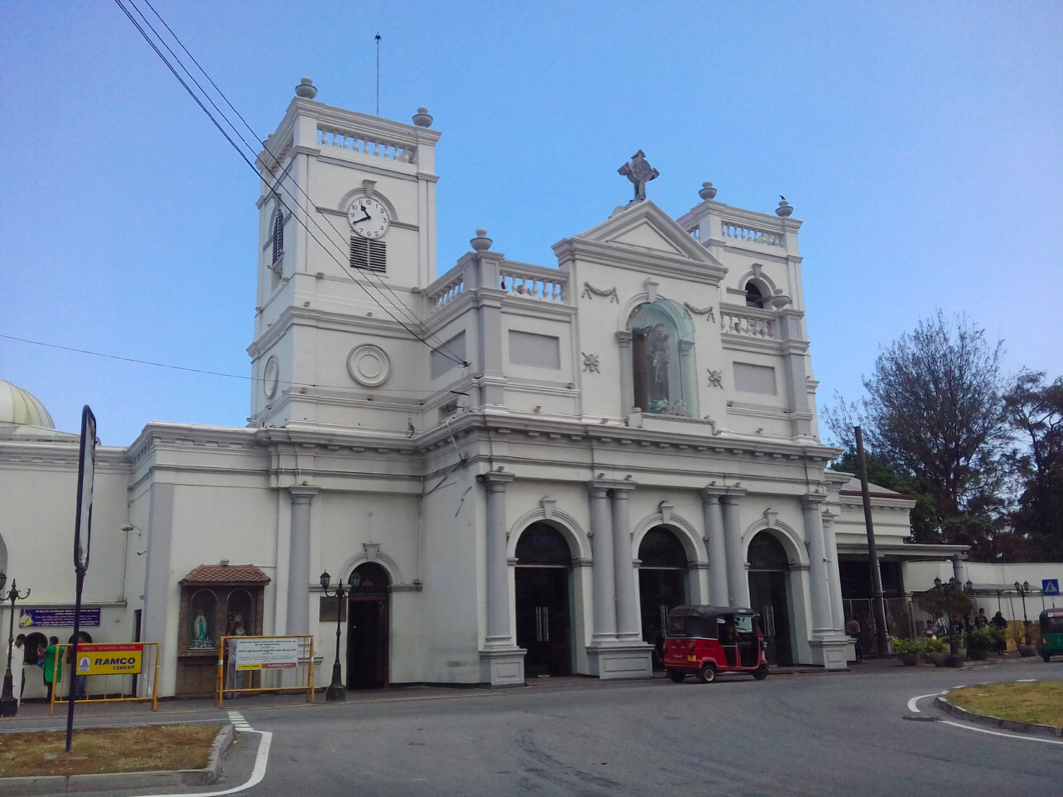
The arrest of Major General Suresh Sallay, former head of Sri Lanka’s State Intelligence Services (SIS), has sparked significant attention as he faces allegations of collaborating with Islamist militants responsible for the 2019 Easter Sunday bombings. This tragic event resulted in the deaths of 279 individuals and left over 500 injured, marking it as Sri Lanka’s most lethal terrorist attack.
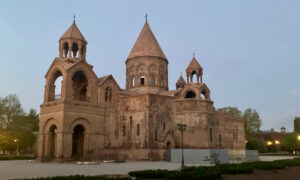
Three churches and three hotels were the targets of the coordinated suicide bombings. At the time of the attack, Sallay was serving as a brigadier, tasked with counter-terrorism efforts. The allegations against him include attending meetings with extremists where discussions were held about creating chaos before national elections, ostensibly to aid the political ambitions of former Sri Lankan president, Gotabaya Rajapaksa.
In the aftermath of the bombings, Rajapaksa entered the presidential race, pledging to eliminate extremism, and post-election, Sallay was elevated to lead the SIS.
As reported by The Telegraph, Sajeewa Medawatte, senior deputy inspector general of police, indicated that a comprehensive investigation would be conducted to examine the claims against Sallay.
Father Cyril Gamini Fernando, a spokesman for the Catholic Church, expressed the community’s desire for accountability, stating to the AFP news agency, “What we need is the truth behind the Easter attacks.” He further emphasized, “We want to see justice for all the victims.”
Among the 45 foreign nationals killed were British lawyer Anita Nicholson and her children, Alexander and Annabel. Other British victims included IT director Lorraine Campbell and retired firefighter Bill Harrop alongside his spouse Dr. Sally Bradley.
The 2019 bombings are a grim reminder of the sporadic history of terrorism in Sri Lanka, which previously faced extensive violence primarily from the Tamil Tigers, a separatist group defeated in 2009 after decades of civil conflict.
This article was originally written by www.christiantoday.com