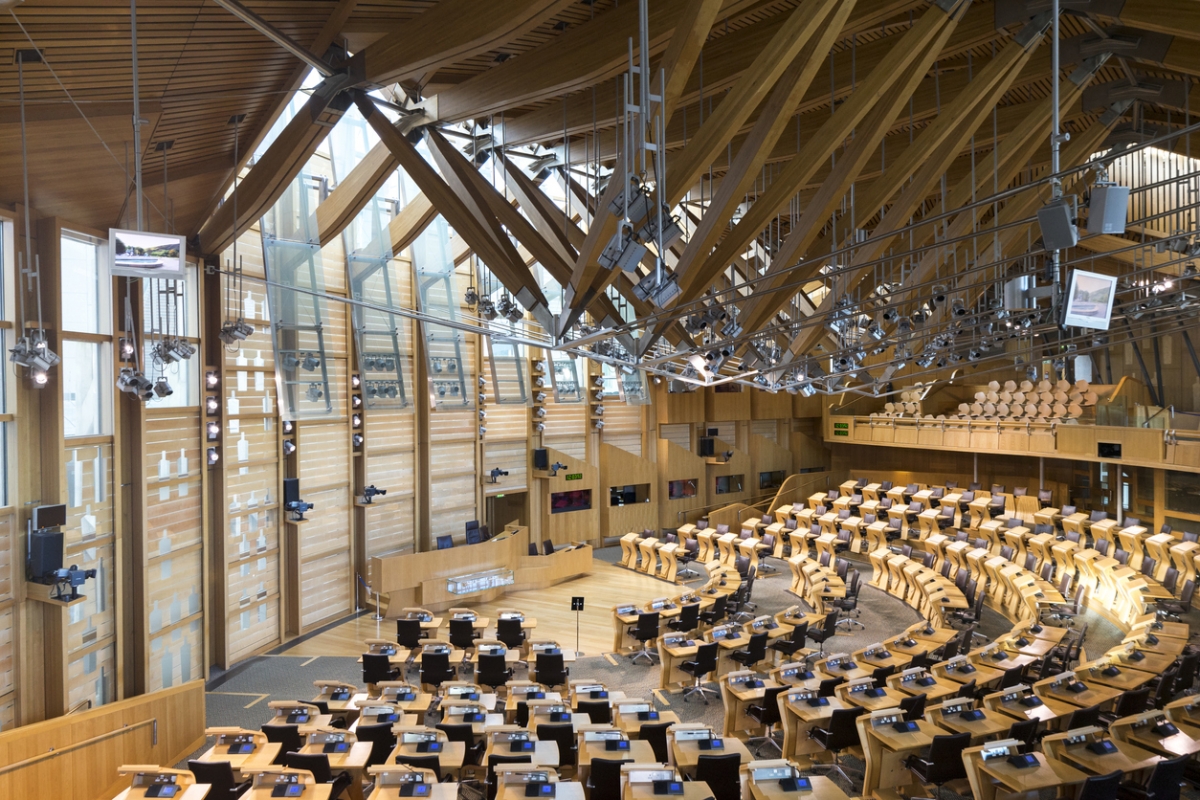
In a significant decision reached after extensive debate, the Scottish Parliament has rejected a proposed bill to legalize assisted suicide, marking a pivotal moment in the nation’s legislative history. The Assisted Dying for Terminally Ill Adults (Scotland) Bill, introduced by Liam McArthur, aimed to permit terminally ill, mentally competent adults residing in Scotland for at least one year to seek medical assistance to end their lives.
The legislative proposal was ultimately defeated with a vote tally of 69 against and 57 in favor, accompanied by one abstention. Despite the setback, McArthur expressed his belief that the issue would resurface, citing the ongoing suffering of terminally ill Scots under current laws.
Opponents of the bill, including various Christian organizations, celebrated the outcome. Simon Calvert, Deputy Director of The Christian Institute, expressed gratitude, stating, “We thank God that MSPs got the message that they simply could not pass this wretched bill.” He urged lawmakers to focus on enhancing palliative care rather than pursuing assisted suicide legislation.
Rev. Alasdair Macleod of the Free Church of Scotland echoed similar sentiments, emphasizing the value of every human life and advocating for societal care for those in need. He stressed the importance of shifting focus to improving palliative care and supporting families.
Dr. Stuart Weir, head of CARE for Scotland, described the bill as “irredeemably flawed” and urged political parties to prioritize palliative care in their future agendas. He warned that legalizing assisted suicide could lead to troubling trends, as observed in other countries.
Bishop John Keenan, representing the Bishops’ Conference of Scotland, commended the decision, highlighting the need to provide comprehensive support to vulnerable individuals rather than resorting to ending lives prematurely.
The debate featured emotional testimonies from MSPs who shared personal experiences with illness and loss, underscoring the gravity of the vote. While McArthur attempted to assure colleagues about the bill’s safeguards, several former supporters changed their stance, citing concerns over coercion and insufficient protections.
Notable opposition came from medical and pharmaceutical organizations, including the Royal College of Psychiatrists in Scotland and The Royal Pharmaceutical Society in Scotland, both of which reversed their neutral positions to oppose the bill.
Peter Lynas of the Evangelical Alliance described the bill as “unsafe, unworkable, and risked undermining the value of those who are elderly, disabled or nearing the end of life,” reinforcing the need for dignity and thriving in Scottish society.
Prominent political figures, such as SNP leader John Swinney and Scottish Labour leader Anas Sarwar, joined the opposition, while supporters like Scottish Liberal Democrat leader Alex Cole-Hamilton were ultimately unable to secure sufficient backing for the bill.
Concerns over the bill’s potential impact on the vulnerable, including those with disabilities, were prevalent throughout the debate. SNP MSP Ruth Maguire, a cancer survivor, voiced fears about the implications of assisted suicide discussions during medical consultations.
Independent MSP John Mason provided a Christian perspective, asserting that life and death decisions should remain in divine hands, while Dr. Gordon Macdonald of Care Not Killing emphasized the need for enhanced palliative care services in Scotland.
As the discussion concluded, Rt Rev Rosie Frew of the Church of Scotland General Assembly and Alisdair Hungerford-Morgan of Right To Life UK hailed the decision as a victory for vulnerable individuals, advocating for better care and support.
With the rejection of the bill, the focus now shifts to the potential impact on similar legislation in Westminster, where lawmakers are urged to consider the Scottish Parliament’s decision as they deliberate on their own proposals.
This article was originally written by www.christiantoday.com