Aaron Sorkin, celebrated for his creation of the political drama series The West Wing, once developed the foundational ideas for this series while scripting the film The American President in 1995. This film, starring Michael Douglas as fictional President Andrew Shepherd, explores themes that resonate with today’s political and social climate.
President Shepherd, depicted as a Democrat and a widower, becomes romantically involved with Sydney Ellen Wade, a lobbyist for an environmental group. This relationship becomes a focal point of political contention as Shepherd seeks re-election, with his rival, Senator Bob Rumson, using it to criticize Shepherd’s principles.
The narrative peaks with a dramatic press conference where Shepherd passionately defends his beliefs and relationship with Wade. In response to accusations about his association with the ACLU, Shepherd delivers a memorable retort: ‘For the record: Yes, I am a card-carrying member of the A.C.L.U. But the more important question is why aren’t you, Bob? This is an organization whose sole purpose is to defend the Bill of Rights, so it naturally begs the questions. Why would a senator, his party’s most powerful spokesman and a candidate for president, choose to reject upholding the Constitution?’
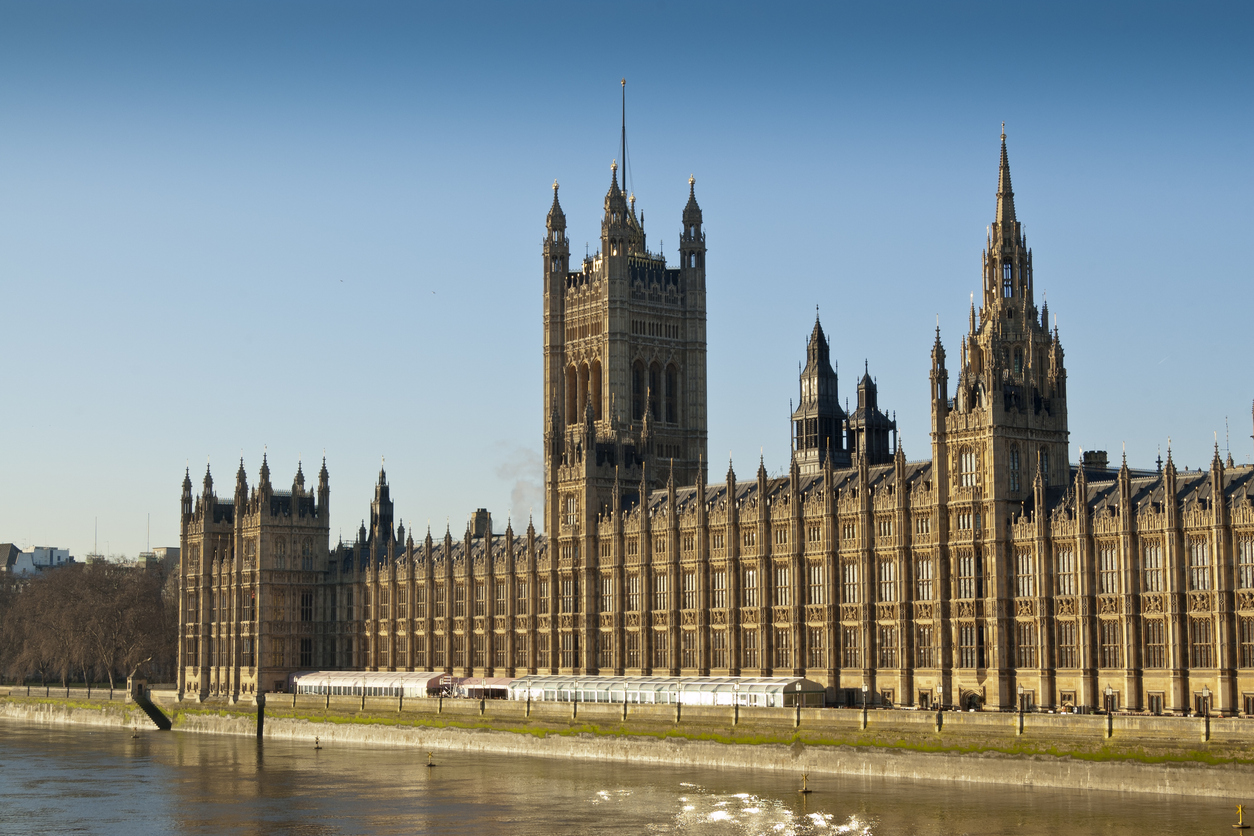
These lines from The American President resonate with the current discourse regarding the ‘2025 Westminster Declaration on Faith, Freedom and Public Life’, which has seen limited support from the Christian community since its launch last year.
Back in 2010, a manifesto titled ‘Westminster 2010: Declaration of Christian Conscience’ emerged, endorsed by notable figures like former Archbishop of Canterbury George Carey. This manifesto emphasized Christian values and called for the protection of Christian beliefs and actions. Fast forward to today, a new declaration has been crafted to address ongoing challenges faced by Christians in modern Britain.
Mgr Nazir-Ali, along with a diverse group of Christians, initiated the 2025 declaration in response to the erosion of Christian values over the years. This updated document covers a broad spectrum of issues, from freedom of belief to AI and moral reflection, offering a comprehensive Christian perspective.
The declaration, supported by various Christian traditions, asserts key principles such as the sanctity of human life, the centrality of marriage, and the right of parents to oversee their children’s education. It also addresses contemporary issues like gender identity, the role of universities, and the ethical implications of AI.
An online petition for the declaration, hosted by Citizen GO, aims to gather 100,000 signatures to prompt a parliamentary debate. However, it has only garnered 3,712 signatures to date, prompting questions about its reach and impact.
The declaration’s principles align with mainstream Christian views and address pressing societal issues, yet its uptake has been unexpectedly low. This situation calls for introspection within the Christian community about their engagement and advocacy.
The challenge remains for Christians to vocalize their beliefs with the same fervor seen in other movements. As the article concludes, it poses a question to those yet to sign the declaration: ‘why aren’t you, Bob?’
This article was originally written by www.christiantoday.com