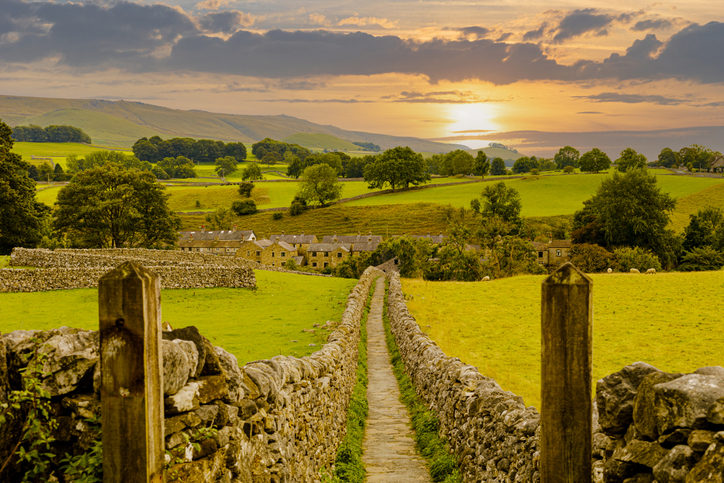

(Photo: Getty/iStock)
Pilgrimage has been an integral part of Christian history, offering believers a chance to connect with their faith through physical journeys. Currently, the Archbishop of Canterbury is embarking on a significant spiritual journey to Canterbury Cathedral, spanning 140km along the historic Becket Camino with her husband, Eamonn. This pilgrimage is more than just a physical trek; it’s a time for prayer, reflection, and spiritual readiness.
A Timeless Spiritual Journey
In its essence, pilgrimage is a journey motivated by spiritual intent. It often involves visiting sites of religious significance, such as locations associated with Jesus, apostles, or saints. However, the journey itself is also a time for prayer, contemplation, and spiritual growth.
While pilgrimage can be a physical endeavor, it can also symbolize an inner spiritual journey. Whether walking ancient paths or making space for personal reflection, the pilgrimage invites believers to draw closer to God.
Roots in Christian Tradition
Pilgrimage in Christianity has both biblical and historical roots. Although the Bible does not explicitly define pilgrimage as traveling to holy sites, the theme of spiritual journeying is prevalent. The Israelites’ journey through the wilderness and Jesus’s path to the cross are examples of how journeys have brought believers closer to God.
Initially, the earliest Christians did not prioritize pilgrimage to holy places. Instead, they viewed the entire Christian life as a spiritual journey. However, this perspective began to change in the fourth century when Christian sites gained importance, and visiting them became a central part of faith practice.
Varieties of Pilgrimage
Pilgrimage in Christian tradition is diverse. It can be a moral journey, focusing on living a life of obedience, or it can involve visiting sacred sites like tombs and cathedrals. Additionally, interior pilgrimage emphasizes an inward search for God through practices like prayer and repentance.
These forms often intertwine, as visiting a sacred place can also lead to a deeper personal connection with God.
Reasons for Undertaking Pilgrimage
Christians embark on pilgrimages for various reasons, such as walking in the footsteps of Christ, visiting the tombs of apostles, or seeking healing and spiritual renewal. Pilgrimage can be an act of gratitude, repentance, or a quest for divine guidance.
The physical aspect of pilgrimage, involving fatigue and perseverance, reminds believers that faith encompasses body, mind, and spirit. It takes them away from daily routines, allowing space for self-examination and reliance on God.
Modern Day Pilgrimage
Despite not being a requirement in Christianity, pilgrimage remains significant for many believers. In today’s fast-paced world, it offers a chance to slow down and focus on spiritual growth.
For some, pilgrimage marks a period of transition or reflection. For others, it’s an opportunity to connect with historical faith or seek healing. Archbishop Mullally’s journey to Canterbury echoes the tradition of preparing spiritually before pivotal moments.
Prominent Christian Pilgrimage Sites
Jerusalem holds profound significance due to its association with Jesus’s life and resurrection. Pilgrims often visit sites like the Garden of Gethsemane and the Church of the Holy Sepulchre. Rome is a major destination for Catholics, with St Peter’s Basilica and other early Christian sites attracting visitors.
Santiago de Compostela in Spain, Fatima, Assisi, and Medjugorje are other notable pilgrimage destinations worldwide.
Pilgrimage in the UK
The UK has a rich pilgrimage heritage, with Canterbury Cathedral being one of the most renowned sites. It gained prominence after Thomas Becket’s martyrdom in 1170. Walsingham and Iona are significant for Anglicans and Catholics, while Lindisfarne is linked with St Cuthbert’s legacy.
Archbishop Mullally’s route to Canterbury includes significant stops such as St Paul’s Cathedral and Rochester Cathedral, reflecting the enduring Christian tradition of pilgrimage.
Controversies and Criticisms
Pilgrimage has faced criticism, with some questioning its necessity if God is omnipresent. Others argue that the funds spent on pilgrimages could be used to help the needy. Additionally, there’s concern about the commercialization of sacred sites.
Some Protestant reformers criticized pilgrimage due to its association with relics and superstition. However, these criticisms highlight that pilgrimage should enhance, not replace, daily Christian practice.
The Continuing Relevance of Pilgrimage
Pilgrimage endures because it offers spiritual depth and a break from routine, teaching lessons in patience and dependence on God. It strengthens believers’ connection to the global church and provides moments of clarity and renewal.
In following an ancient path, Archbishop Mullally embodies the living tradition of pilgrimage, showing that it’s still a meaningful expression of faith. As believers embark on their own spiritual journeys, they are reminded that the path of faith is dynamic and ever-unfolding.
This article was originally written by www.christiantoday.com