
The Intriguing World of Political and Cultural Mirroring
Naomi Klein, in her 2023 book Doppelganger: A Trip into the Mirror World, delves into the fascinating concept of mirroring, a phenomenon that sheds light on the complexities of current political and cultural landscapes. Rather than encountering a straightforward dichotomy of right versus wrong, society navigates a reflective maze where identifying one’s ethical stance becomes a challenge. This mirroring effect is evident as racists adopt the rhetoric of civil rights, quoting figures like Martin Luther King Jr., while alternative platforms like Rumble and Gettr mimic mainstream social media, claiming to champion free speech.
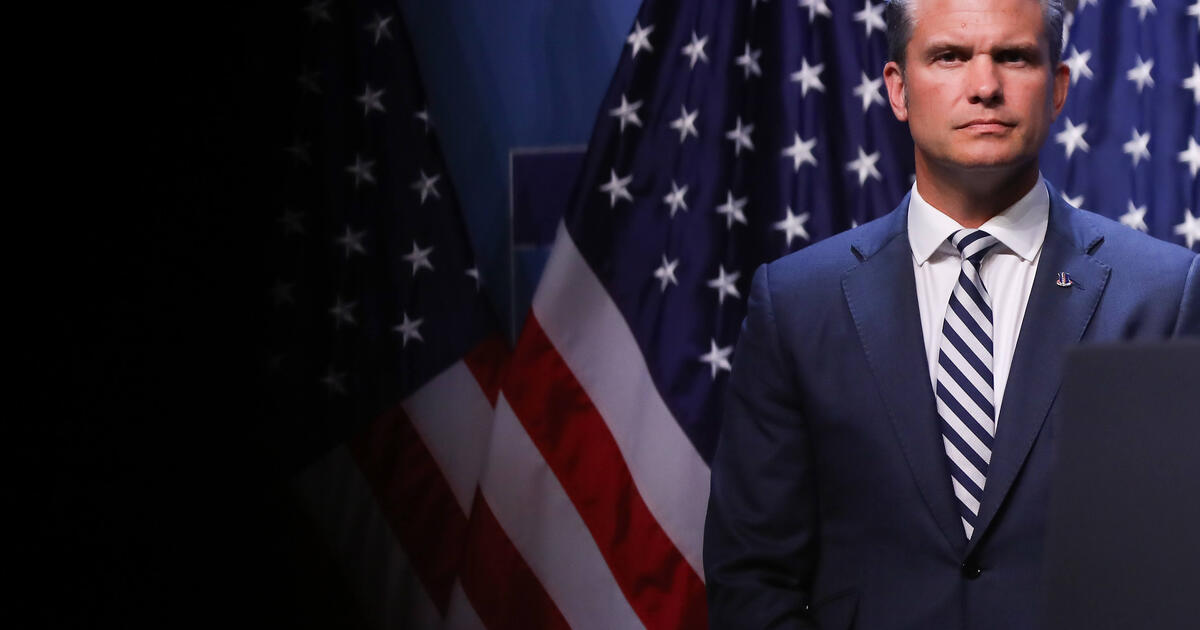
In a telling illustration of mirroring, Defense Secretary Pete Hegseth’s proposal to livestream the execution of Nidal Hasan echoes the actions of extremist groups, despite being framed as a pursuit of justice by the so-called “good guys.” This idea, akin to a spectacle, raises concerns about dehumanization, a notion unsettling to many right-wing Christians who oppose pornography. This scenario represents the blurred moral lines that the mirroring effect creates, distracting society from making principled distinctions.
The case of Nidal Hasan exemplifies deeper layers of mirroring. Before his infamous attack at Fort Hood, Hasan shouted a phrase in Arabic, “God is Great,” mirroring Hegseth’s own call for divine blessing before military strikes. Similarly, former President George W. Bush justified military actions as a divine mission, further illustrating these reflective parallels.
Critics of Hegseth also find themselves caught in this mirrored reality. Graeme Wood of the Atlantic suggests an alternative to execution by livestreaming Hasan’s incarceration instead. Retired Admiral William McRaven echoes a sentiment of moral superiority, arguing against public executions, similar to the way the Iranian regime critiques American decadence.
This concept of mirroring is not to equate morals but to highlight how it complicates discussions on morality, especially religious morality. Invocations of divine providence become hollow within this reflective context, as does the concept of God’s law.
After President Trump’s initial approval of the public execution plan, the revelation of Hasan’s paralysis, a consequence of being shot during his attack, prompted a reevaluation. The visual of executing a paralyzed individual contributed to public pushback, emphasizing the shared humanity that the death penalty tends to obscure. This humanity, with all its complexities, stands in contrast to the simplistic logic of mirroring.
Amidst this reflective landscape, individual dignity emerges as a beacon. Recognizing the complexity of a person’s story and acknowledging their humanity allows dignity to shine, countering the distorting effects of mirroring.
Nidal Malik Hasan’s life journey offers further insight. Born in Virginia to Palestinian parents, Hasan’s formative years included a stint in the West Bank. His quiet demeanor and cultural Muslim background shaped his early life, which later intersected with military service and academic pursuits. The post-9/11 era marked a turning point, with Hasan seeking solace in religion amidst rising Islamophobia. His path eventually led to tragic violence at Fort Hood, an act the Department of Defense classified as “workplace violence,” sparking debate over the appropriateness of this label.
Hasan’s increasing religiosity took on a secular tone, with beliefs about the afterlife influenced by worldly desires. His defense team, during his trial preparation, aimed to guide him toward contrition through theological reasoning, but found little success.
Bad theology mirrors worldly interests, as seen in Hegseth’s conflation of national and personal agendas with divine language. This reflection of self-interest cloaked in spirituality raises critical questions about the nature of morality.
In a statement, Timothy Broglio, Catholic archbishop for the U.S. Military Services, condemned the livestream execution plan, deeming it an affront to human dignity. He emphasized that all state executions violate dignity and that public spectacles exacerbate the offense. While the concept of dignity might seem elusive compared to legal rights, its divine nature calls for reverence and careful consideration, especially when human dignity is at stake.
This article was originally written by sojo.net



Comments are closed.