Extension Granted: Public Institutions Get More Time for Digital Accessibility Compliance
The U.S. Department of Justice has announced an extension for public institutions to ensure their digital materials are accessible to individuals with disabilities, granting an additional year to comply with updated federal guidelines. This decision affects public colleges, K-12 schools, local governments, and other public entities, providing them more time to align with the Americans with Disabilities Act (ADA) standards.
Initially, many institutions were preparing to meet a compliance deadline set for this Friday, following a two-year race to adhere to the new guidelines. The original deadline was eagerly anticipated by disability rights advocates. However, the Justice Department intervened, pushing the deadline to April 26, 2027, for entities serving 50,000 or more people, with smaller institutions having until 2028.
The DOJ acknowledged it had “overestimated the capabilities (whether staffing or technology) of covered entities to comply with the rule in the time frames provided,” as stated in its interim final rule.
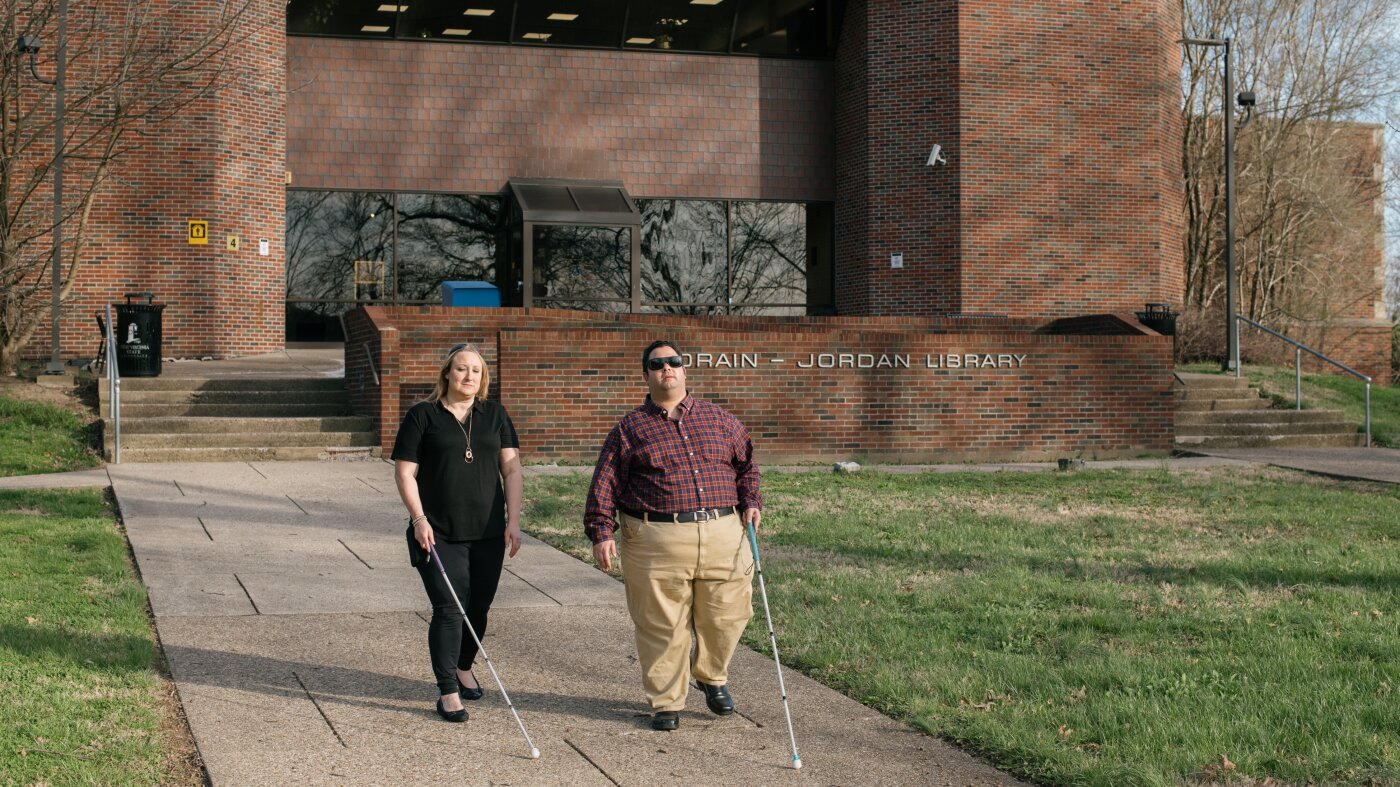
Corbb O’Connor, president of the National Federation of the Blind of Minnesota, expressed frustration, stating, “Yet again, the blind have been told to wait to live on terms of equality.” O’Connor highlighted that international web accessibility standards have been around since 1999.
The Association on Higher Education And Disability (AHEAD) also criticized the delay. Katy Washington, AHEAD’s president, emphasized the need for “clear and timely guidance that reflects current technologies, instructional models, and student needs.”
Addressing a Need for Clear Guidelines
O’Connor, who is blind, emphasized that the delay is more than just a year-long wait for accessibility. “We’ve been waiting nearly 36 years since the law that guaranteed these rights,” he said, referencing Title II of the ADA, established in 1990 to ensure accessibility for individuals with disabilities.
The new guidelines, introduced in 2024, aimed to provide clarity by referring institutions to the WCAG 2.1 standards, offering a concrete set of technical requirements for web and mobile content. These requirements include audio transcripts, video captioning, and screen reader-friendly PDFs and webpages.
Jennifer Mathis, who was involved in crafting the original rule at the Justice Department, stressed the importance of certainty and clarity. “To delay the standards now, after 16 years and an incredibly thorough rulemaking process, is just mindless and cruel,” she said.
The DOJ cited concerns from education advocacy groups about the costs and resources needed to comply. Sasha Pudelski of AASA, the School Superintendents Association, noted, “Many districts are already financially stretched and operating in an environment where schools are asked to do more with less.”
While the federal rule on digital accessibility faces delays, there have been successful legal actions holding institutions accountable for ensuring equal access to learning materials.