Small Colleges Face Closure Amidst Financial Struggles
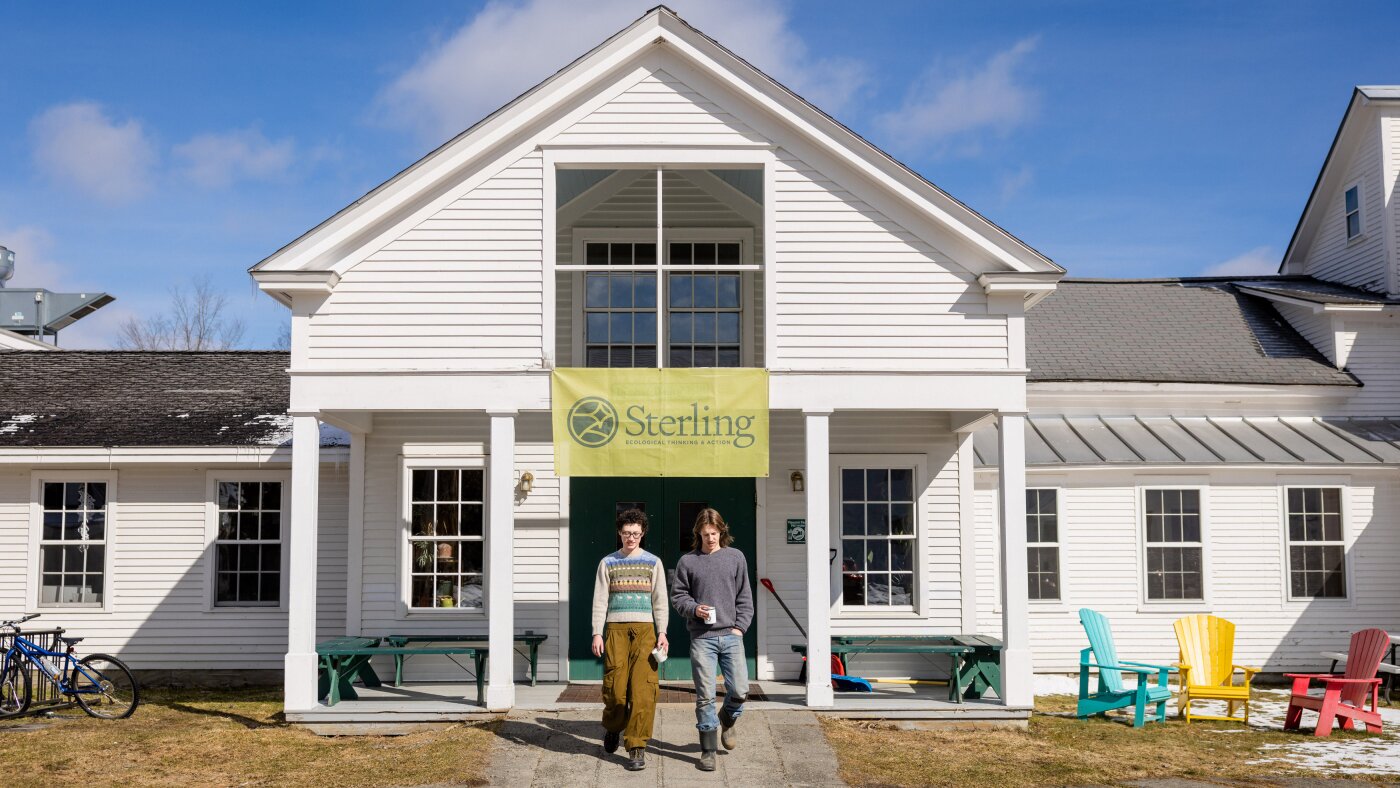
In the remote town of Craftsbury Common, Vermont, Sterling College is preparing to close its doors at the end of the semester, a decision that reflects a wider trend affecting private, nonprofit institutions across the United States. Students, like senior LillyAnne Keeley, are coming to terms with the impending closure as they enjoy the serene landscape and sunsets that have been a backdrop to their education.
Sterling College, known for its hands-on approach to teaching agriculture through its 130-acre farm, is not alone in facing financial turbulence. A Huron Consulting Group forecast indicates that 442 out of 1,700 private, nonprofit four-year colleges and universities are at risk of closing or merging in the next decade, affecting around 670,000 students nationwide.
Financial Pressures on Higher Education
The challenges are particularly acute in small, rural colleges like Sterling. “Now that this might be gone, I just really worry about some students out there that are going to have less and less choices,” Keeley noted. The financial instability in these institutions is driven by declining enrollment and tuition revenue, as well as the broader issue of supply and demand in higher education.
According to Peter Stokes, managing director at Huron, “We have too many seats. We have too many classrooms.” His statement underscores the looming “shakeout” expected over the next decade.
Impact on Students and Communities
Sterling’s closure is not an isolated case. A report by the State Higher Education Executive Officers Association found that fewer than half of students at closing colleges continue their education. Students like Izzy Johnson, who already experienced one college closure, face uncertainty about their academic futures.
The repercussions extend beyond students. Communities reliant on these colleges for jobs and economic activity face significant challenges. Sterling College, for instance, has been a vital part of its rural community, with many graduates choosing to stay and contribute to local businesses.
The Broader Picture
There are multiple factors contributing to the financial strain on higher education institutions. The number of high school graduates proceeding to college has decreased from 70% in 2016 to 61% in 2023. Additionally, the decline in international student visas and upcoming caps on federal loans for graduate study further exacerbate the financial challenges faced by colleges.
With 86% of college leaders worried about their institutions’ financial viability, and a third of private, nonprofit colleges posting deficits, the higher education sector is under significant pressure. Even large public universities are not immune, as reported by Fitch Ratings, which highlights the financial problems stemming from policy changes and economic factors.
As the educational landscape continues to evolve, students and faculty at Sterling College remain hopeful, cherishing the unique experiences and community bonds formed during their time at the institution. As Jack Beatson, a first-year student, reflects, “We’ll all take this place with us, wherever we end up.”
This story was produced by The Hechinger Report, a nonprofit, independent news organization focused on inequality and innovation in education.