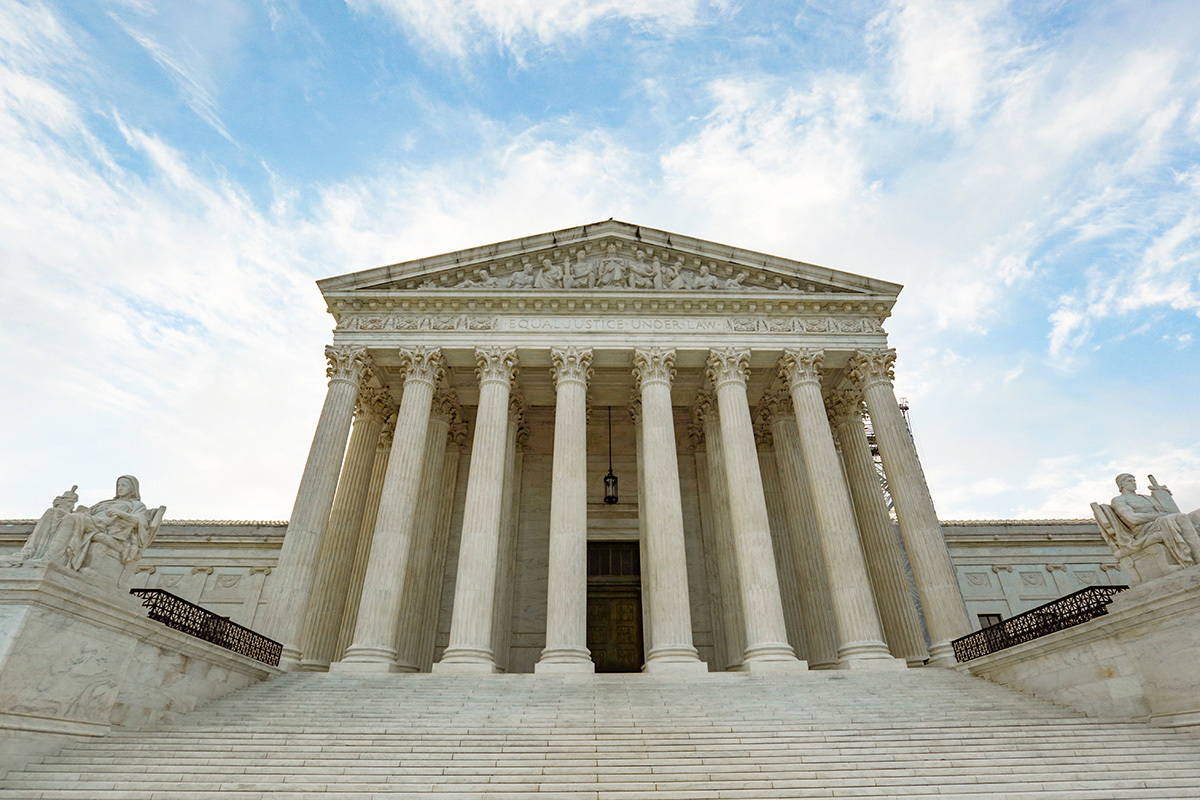
The Supreme Court Defends Privacy Rights of Pro-Life Center in Landmark Decision
In a unanimous decision, the U.S. Supreme Court has ruled that the state of New Jersey’s attempt to compel a pro-life pregnancy care center to reveal its private donor information was a violation of First Amendment rights. This ruling marks a significant moment in the ongoing debate concerning the privacy of donor information for nonprofit organizations.
The case, First Choice Women’s Resource Centers, Inc. v. Matthew J. Platkin, Attorney General of New Jersey, was decided on Wednesday, with Justice Neil Gorsuch authoring the opinion for the 9-0 decision. The core issue at hand was not the merits of the lawsuit itself but whether it could proceed.
Justice Gorsuch noted that First Choice had clearly demonstrated that the demand for donor information infringed on its First Amendment associational rights. “The Attorney General does not dispute much of this,” he wrote in the opinion. He further stated that official demands for such information could deter individuals from associating with groups and hinder the expression of dissenting views.
Highlighting the historical context, Gorsuch pointed out that similar demands have been addressed by the Supreme Court since the 1950s, consistently ruling that such demands burden First Amendment rights. The judgment from the Third Circuit was reversed, and the case was sent back for further proceedings.
In late 2023, New Jersey’s Attorney General Matthew Platkin issued a subpoena to First Choice, requesting donor lists and other records as part of an investigation under the New Jersey Consumer Fraud Act. Platkin was among 16 Democratic attorneys general who had accused pro-life pregnancy centers of disseminating “misinformation and harm” and delaying access to abortion services in a 2023 letter.
First Choice responded by filing a lawsuit against Platkin in December 2023, arguing that the subpoena was both overly broad and unconstitutional. However, U.S. District Judge Michael A. Shipp ruled against First Choice in January 2024, stating that the complaint was “not ripe” and that his court lacked jurisdiction.
In February 2024, the Third U.S. Circuit Court of Appeals denied First Choice’s emergency request to block the subpoena but allowed for potential reconsideration. Although the Supreme Court initially declined to hear the case in May 2024, it later agreed to hear oral arguments in June.
During the proceedings, Justice Clarence Thomas questioned New Jersey’s Chief Counsel, Sundeep Iyer, about any specific complaints against First Choice. Iyer acknowledged that there were no complaints but justified the investigation as part of routine government actions to ensure legal compliance.
This article was originally written by www.christianpost.com