A Linguistic Legacy: The Decline of the “Warsh” Pronunciation in America
In the realm of American dialects, the pronunciation “warsh” as opposed to “wash” stands as a curious linguistic artifact. This particular variation, associated with Kevin Warsh, President Trump’s nominee for the Federal Reserve, has sparked discussions about its origins and persistence in American English.
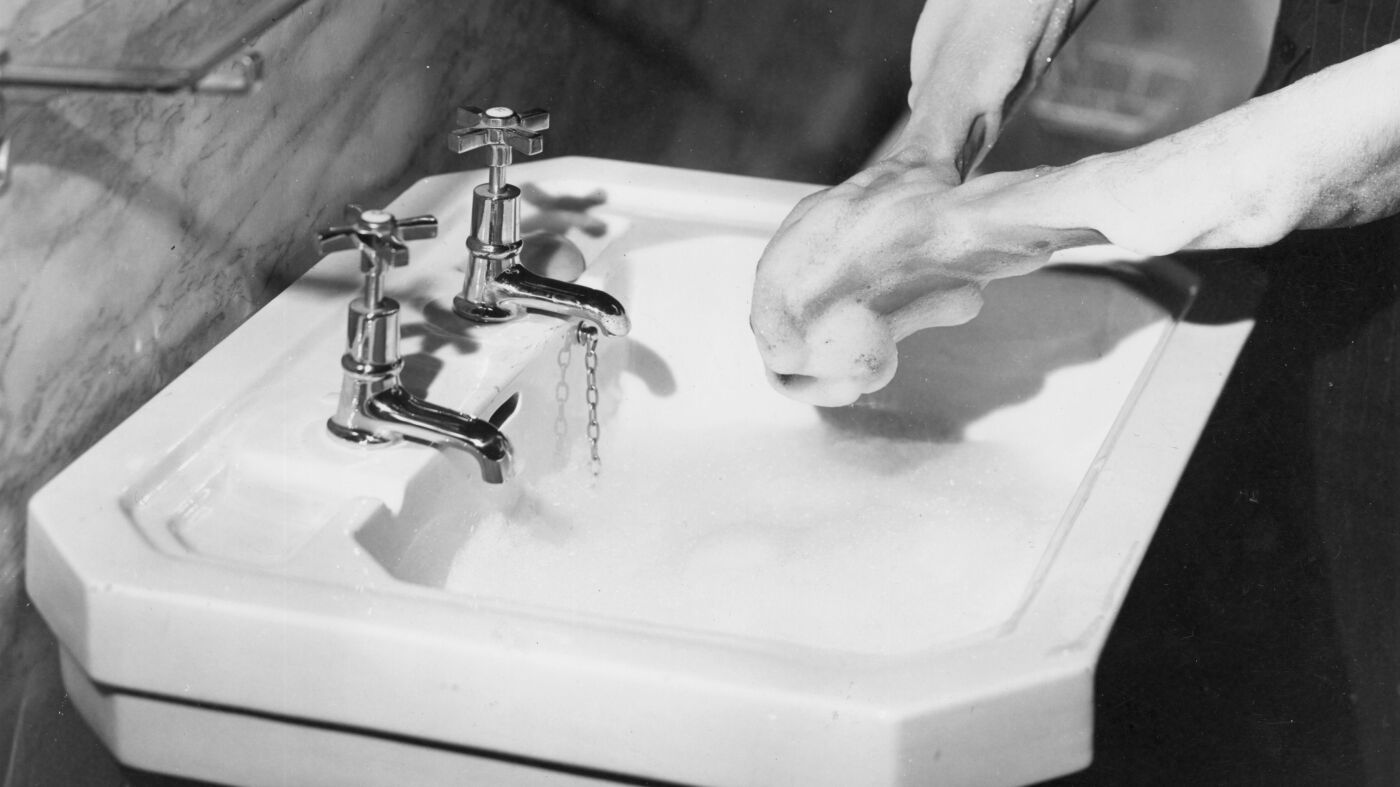
Patricia T. O’Conner, an author and language commentator, recalls her grandmother’s insistence on cleanliness, often saying, “show me your hands … I don’t think you warshed those hands.” This usage, prevalent in certain regions of the United States, is gradually fading, according to linguists. O’Conner, who grew up in Iowa, explores language nuances with her husband on their grammar blog.
Tracing the “Warsh” Dialect
The roots of this pronunciation trace back to the Scotch-Irish immigrants who settled in the South Midland U.S. in the late 18th century. Known for their rhotic speech, this group introduced the strong “r” sound into words like “wash.” Paul E. Reed, a phonetics expert at the University of Alabama, suggests that the name “Warsh” may have evolved from “Wash” or “Walsh” over time.
The dialect spread across Appalachia and further into regions like Baltimore and Michigan, as well as Washington state. Linguist Robin Dodsworth of North Carolina State University notes that while older speakers continue to use “warsh,” its prevalence is diminishing, particularly in its original Midlands area.
Phonetic Phenomena: Why the “R” Appears
Nicole Holliday, a linguistics professor at UC Berkeley, points out that American English’s “r” sound is quite rare globally. Less than 1% of languages use it similarly. Additionally, “wash” is an ancient English term, leading to variations due to frequent usage. The concept of “coarticulation,” where adjacent sounds influence each other, further explains the “r” insertion.
Reed shares that language evolves through familial transmission, with parents passing down pronunciations to their children. In areas where “warsh” is common, it’s often tied to personal histories and local identities.
Cultural Reflections and the Future of “Warsh”
In Baltimore, the accent is a point of pride and identity. Residents like Cary Griffin and Lisa Molina embrace the pronunciation as a familial connection. Meanwhile, cultural references, such as films by John Waters and music by Luke Bryan, highlight the accent’s presence in popular culture.
Despite its cultural significance, the “warsh” pronunciation is dwindling due to increasing population mobility. Dodsworth attributes the decline to this factor, rather than the influence of social media. Holliday views language as a dynamic entity, ever-changing and adapting over time.
As linguists and locals reflect on the legacy of “warsh,” it remains a testament to the rich tapestry of American dialects and the stories they carry.
This article was originally written by www.npr.org