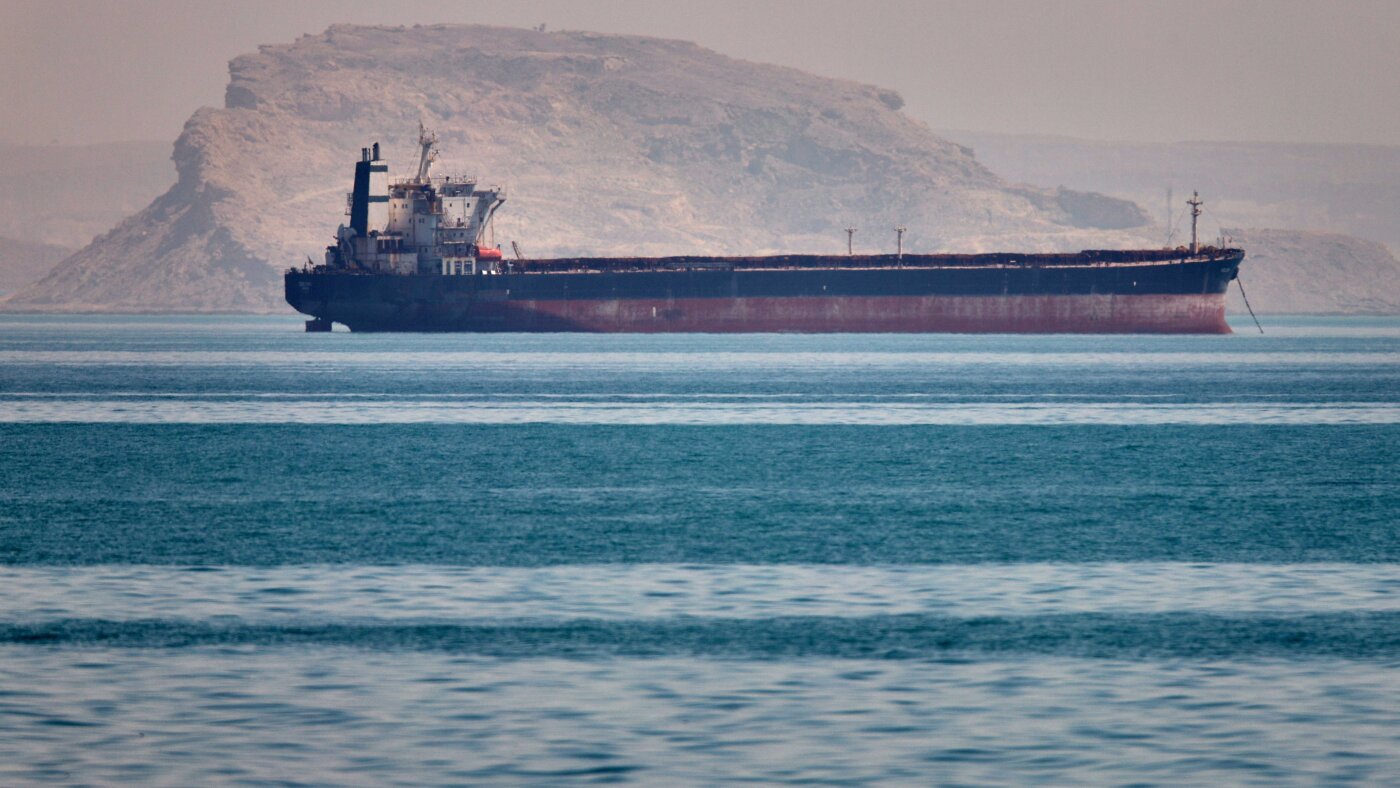
Heightened Tensions in the Strait of Hormuz
The ongoing conflict between the United States and Iran took a new turn as attempts to ensure safe passage through the strategic Strait of Hormuz continue. Amid concerns about a potential rekindling of hostilities, a tentative ceasefire remains in place despite recent missile and drone activity reported by the United Arab Emirates.
Efforts by the U.S. to establish an “enhanced security area” in the strait have sparked accusations from Iran, which claims that such moves threaten regional stability. According to American military sources, two U.S.-flagged merchant vessels successfully navigated the strait on Monday. However, it remains uncertain whether further ships will attempt the journey.
Tracking information from MarineTraffic indicates a Panamanian-flagged oil tanker was en route near the strait, headed for Singapore. Yet, its intentions to traverse the strait remain unclear.
Economic Impact of the Strait’s Closure
Iran’s effective blockade of the Strait of Hormuz, a crucial passage for about 20% of the world’s oil and gas trade, has led to soaring fuel prices and economic instability globally. The strategic hold on this waterway has served as a significant bargaining tool for Tehran in conflict negotiations.
The closure follows the escalation of hostilities on February 28, when U.S. and Israeli forces launched an attack on Iran, prompting the strait’s shutdown. Attempts to reopen it could potentially reignite large-scale conflict.
Iran’s Stance on U.S. Actions
Iran views the U.S. initiative as a breach of the ceasefire, with parliamentary speaker Mohammad Bagher Qalibaf accusing the U.S. of compromising maritime security in the strait. Qalibaf suggested that Iran is preparing a calculated response to these developments, highlighting the tension between maintaining the status quo and escalating the situation.
U.S. Commitment to Securing Passage
President Donald Trump has emphasized the necessity of reopening the strait, labeling the initiative as “Project Freedom” to assist marooned seafarers. The U.S.-led Joint Maritime Information Center has advised ships to navigate through Omani waters, asserting that an “enhanced security area” is now in place.
U.S. Central Command’s Adm. Brad Cooper reported that American forces successfully cleared the path of Iranian mines, despite drones and missiles launched by Iran against civilian vessels. In response, U.S. military helicopters destroyed several Iranian boats.
UAE Faces Consequences of Retaliation
The UAE’s Defense Ministry confirmed intercepting multiple missiles and drones from Iran, resulting in injuries and fires at key facilities. India’s Prime Minister Narendra Modi condemned the attacks, emphasizing the necessity of maintaining secure passage in the Strait of Hormuz for global stability.
Iran has neither confirmed nor denied these strikes but warned the U.S. and UAE of potential repercussions. Mediation efforts by Pakistan and condemnation from Saudi Arabia highlight the complex diplomatic landscape surrounding the conflict.
Blockade and Diplomatic Stalemate
Since April 13, the U.S. has maintained a naval blockade on Iranian ports, impacting Tehran’s economy by restricting oil revenues. This move aims to pressure Iran into concessions regarding its nuclear program and other contentious issues.
Iran’s proposal to end the conflict includes demands for lifting sanctions, ending the blockade, and withdrawing foreign military presence. While Iranian officials review the U.S. response, concerns persist over the shifting nature of diplomatic negotiations.
This article was originally written by www.npr.org