Hotel Bookings Fall Short of Expectations Ahead of World Cup
As the countdown begins for the World Cup, a surprising trend has emerged across the host cities: hotel bookings are significantly lagging behind expectations. With just six weeks to go, hospitality sectors in major cities are witnessing lower-than-anticipated reservations, raising concerns about the economic impact of this global event.
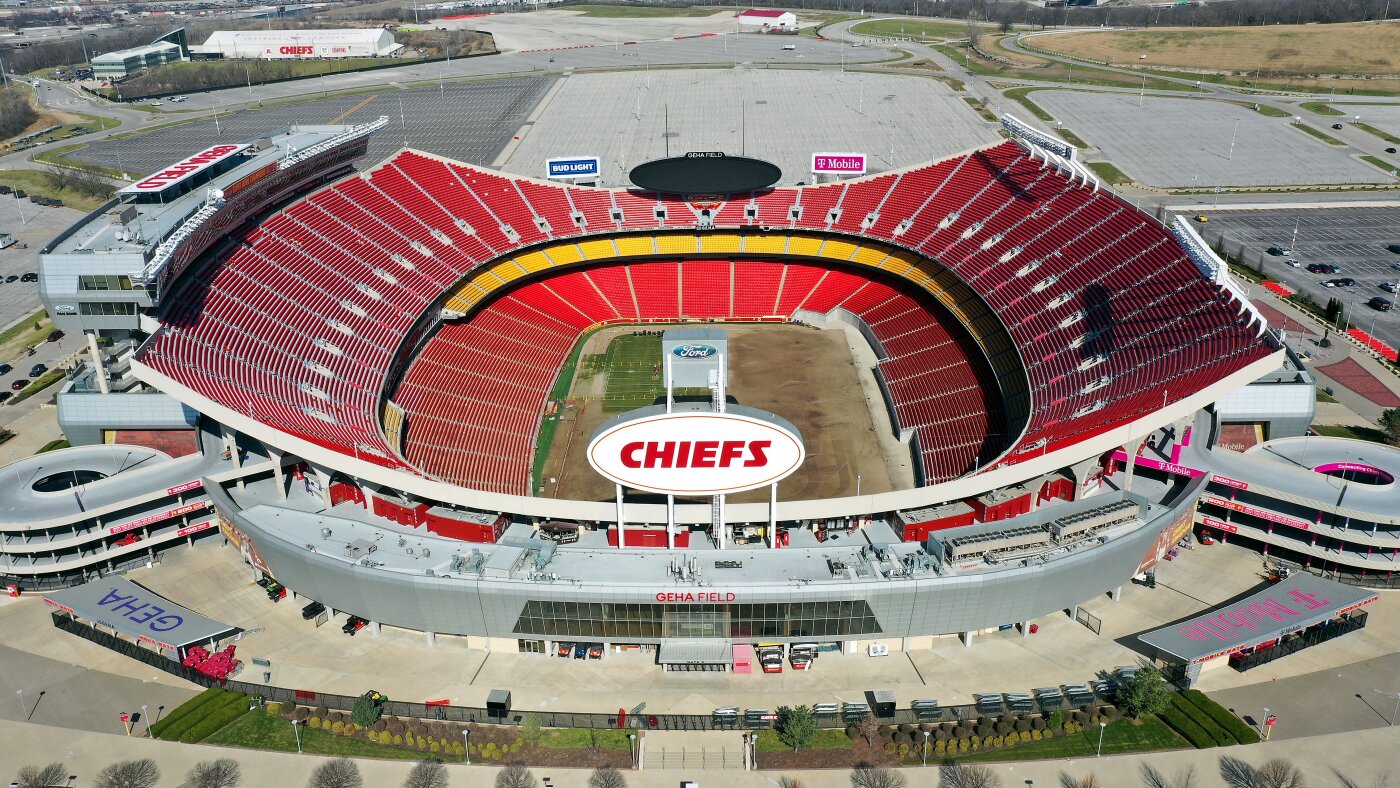
In particular, cities like Kansas City are seeing bookings that fall short of even typical summer levels, according to a survey by the American Hotel and Lodging Association (AHLA). Conducted last month, this survey included 205 respondents representing hotel operators and owners across various World Cup markets. The AHLA attributes this decline to fewer international travelers and unexpected cancellations by FIFA, the tournament’s organizer, resulting in a surplus of available rooms.
Despite the sale of over 5 million tickets for World Cup matches, the anticipated surge in hotel bookings has not materialized, the AHLA notes. The World Cup, spanning the U.S., Canada, and Mexico, was expected to bring a boom in tourism, especially with the U.S. celebrating its 250th anniversary of the Declaration of Independence. Typically, international visitors are crucial for the hotel industry as they tend to stay longer and spend more.
However, the survey highlights that almost 80% of hotel bookings in host cities are below initial forecasts. In Kansas City alone, 85% to 90% of hotels report bookings below projections. Despite these figures, World Cup organizers in Kansas City have expressed optimism, with additional staff being dispatched by embassies, such as those from the Netherlands, to handle an expected influx of visitors, according to The Athletic.
Conversely, cities like Miami and Atlanta are experiencing more favorable conditions. Approximately half of the survey respondents in Atlanta reported bookings meeting or exceeding expectations, while Miami saw about 55% indicating stronger-than-expected projections.
Challenges for International Visitors
The findings suggest a broader trend of diminished interest from overseas travelers, potentially influenced by various factors, including more stringent U.S. immigration policies. The AHLA report mentions a “perception that international travelers may face lengthy visa wait times, increased visa fees, and lingering uncertainty around entry processing,” which could deter potential visitors.
Additional concerns such as the strong U.S. dollar and airport screening procedures are contributing to the perception that visiting the U.S. for the World Cup might be more challenging and costly. Despite these challenges, FIFA continues to promote the “unprecedented” demand for the tournament and anticipates record-breaking attendance levels.
In an effort to allay concerns, White House spokesman Davis Ingle expressed confidence in the event’s success, stating that the World Cup “will no doubt be one of the greatest and most spectacular events in the history of mankind,” and emphasized the administration’s focus on ensuring the safety and security of all attendees.
This article was originally written by www.npr.org