School Lunch Programs Face Challenges Amid New Dietary Guidelines
Struggling with rising grocery costs? NPR’s 4-part newsletter offers tips to reduce your food expenses. Sign up here for meal planning and budgeting insights.
MALVERN, Pa. — In today’s era dominated by social media food trends, students are increasingly demanding more from their school cafeterias, leaving traditional school meals in the past.

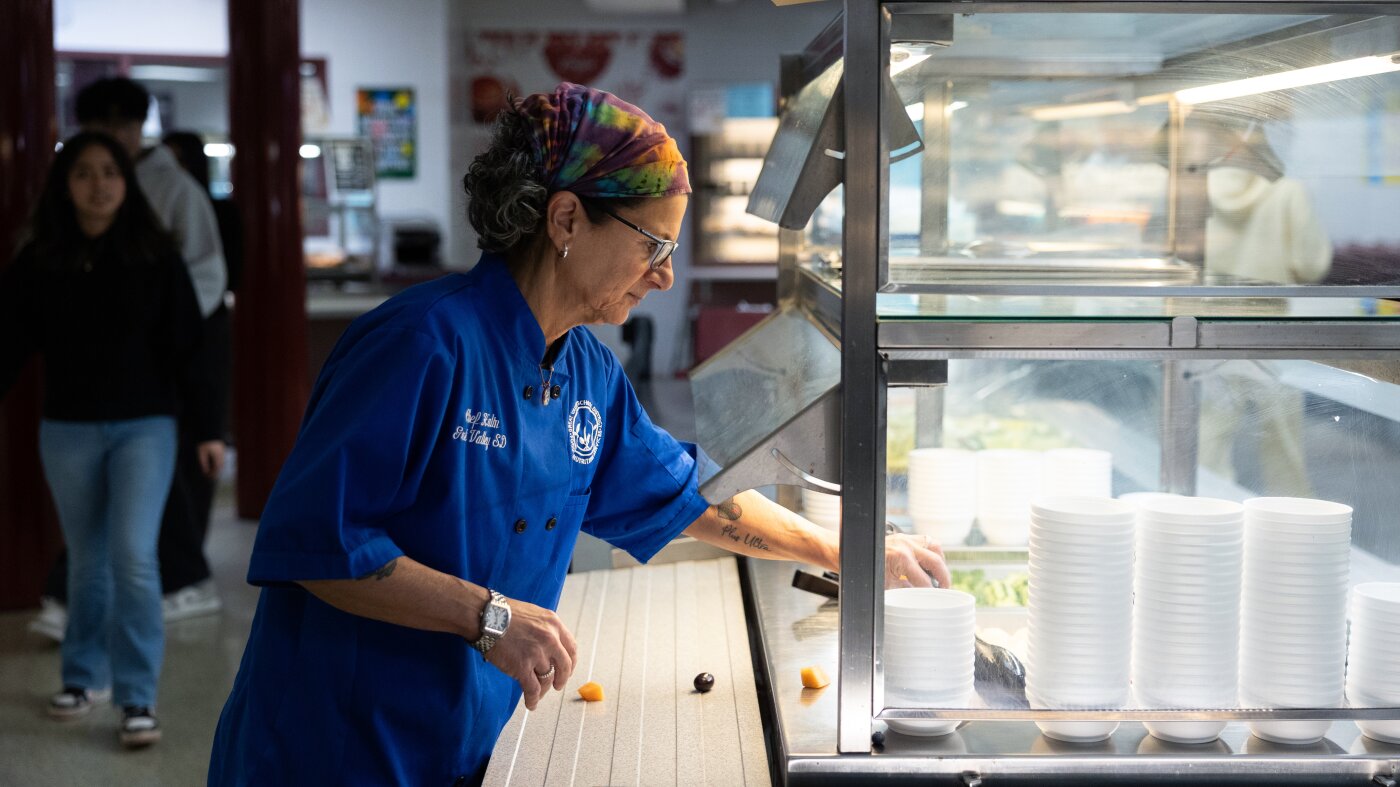
Great Valley School District culinary coordinator Jenifer Halin cleans up the salad bar in the cafeteria at Great Valley High School in Malvern, Pennsylvania. Rachel Wisniewski for NPR
“I don’t have a TikTok account, but they’re telling me, ‘Hey, I saw this on TikTok. Can you make this? Can we do this?'” said Nichole Taylor, supervisor of food and nutrition services at the Great Valley School District.
Taylor has been revamping the meal program in this suburban Philadelphia district for over a year, aiming to offer more fresh meals despite budget and labor constraints. She, like many others, awaits clarity on the potential cost implications of the new federal dietary guidelines.
In January, Health Secretary Robert F. Kennedy Jr. unveiled the “Make America Healthy Again” blueprint, urging reduced consumption of processed foods and emphasizing “nutrient-dense” proteins. These guidelines influence the federal standards schools must follow.
Districts often depend on processed foods for student meals, with protein being a costly component. The USDA’s current reimbursement rates for free lunches stand at $4.60, while reduced-price lunches are at $4.20, and full-price lunches at $0.44.
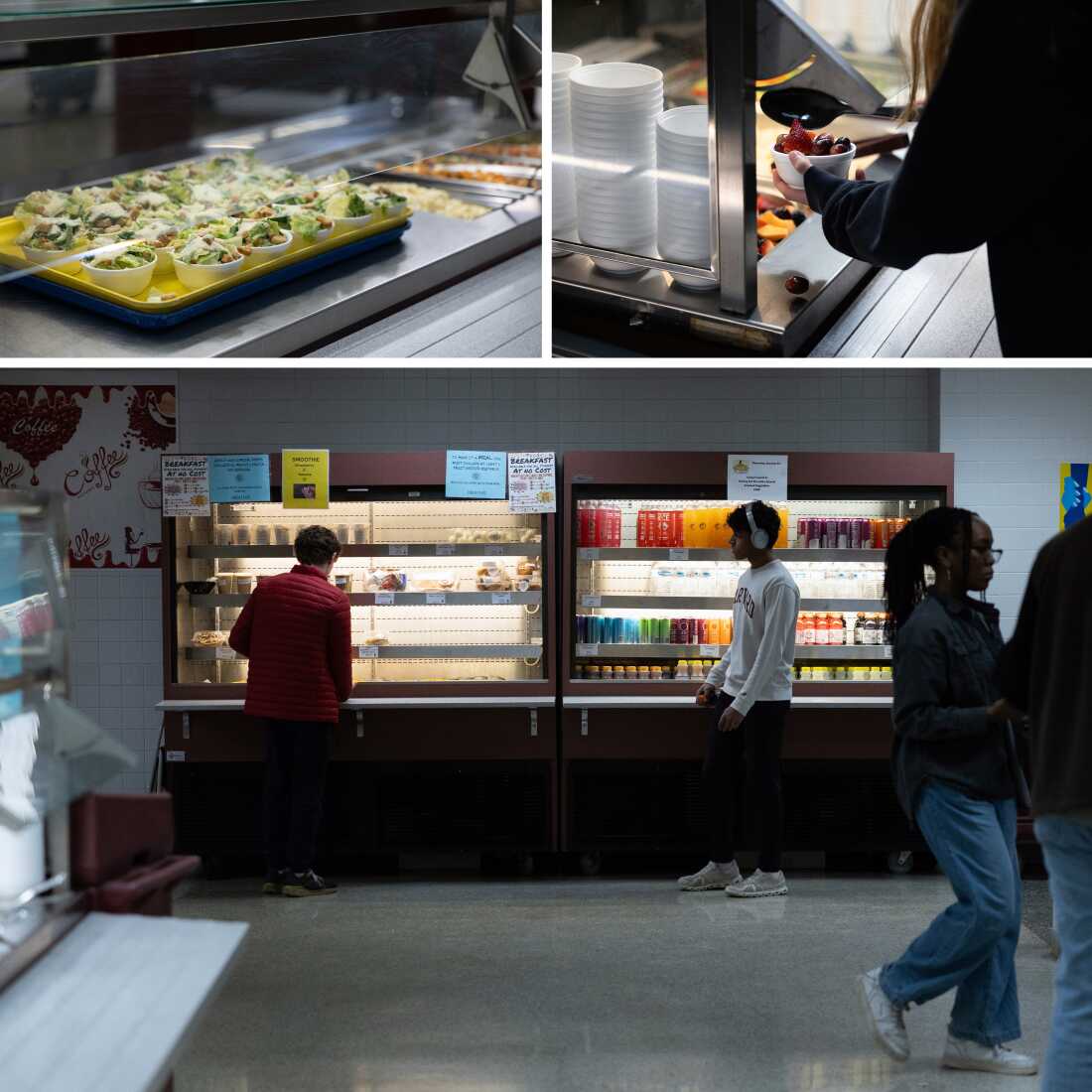
Budget concerns aside, the Great Valley School District is finding ways to enhance its meal program and get more students into the breakfast and lunch lines. Rachel Wisniewski for NPR
Taylor acknowledges the new nutritional goals but is concerned about their feasibility given existing financial strains. “We want to follow the guidelines because we are that voice that says, ‘No, you can eat healthy and still eat really well,'” she said, adding the need for adequate funding.
The Trump administration’s cuts to programs that helped schools acquire local produce add to these challenges. The USDA ended the Local Food for Schools Cooperative Agreement Program, which once provided $660 million in funds for local food purchases.
How dietary guidelines can affect schools
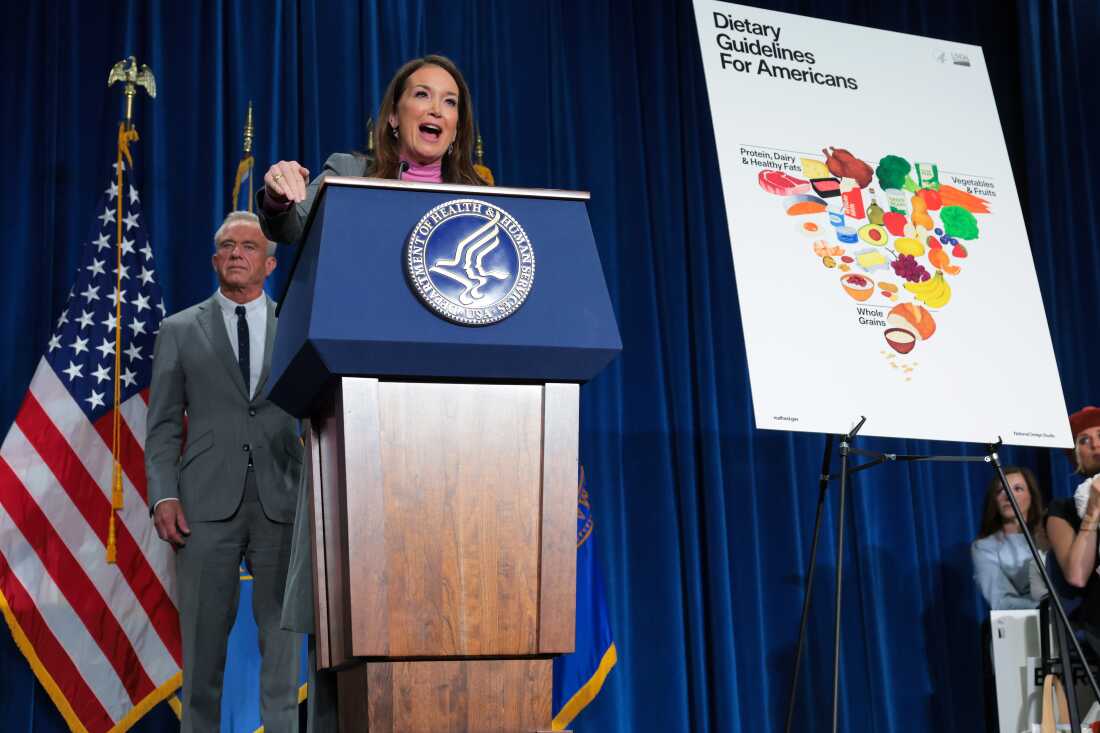
Agriculture Secretary Brooke Rollins on Jan. 8 announces new dietary guidelines, including an emphasis on proteins and full-fat dairy, as well as limits on processed foods. Anna Moneymaker/Getty Images
During a press briefing, Agriculture Secretary Brooke Rollins highlighted the critical role of these guidelines in enhancing child nutrition. “Right now, that is going to be the single most important move forward — is the school lunches,” she stated.
However, some experts disagree with the new guidelines, particularly the emphasis on saturated fats. Stanford University’s Christopher Gardner remarked that it “goes against decades and decades of evidence and research.”
The USDA plans to update its standards based on these guidelines, affecting programs that served 30 million children last year. This multi-year process will include public input.

Schools in the federal meal programs are already beginning to reduce added sugar in certain items to align with new federal rules. Rachel Wisniewski for NPR
USDA cut funding that helped schools buy local food
The USDA has also paused funding from the Patrick Leahy Farm to School grant program for fiscal year 2025, aligning with Trump’s executive order targeting DEI components.
Despite these challenges, the program reopened for fiscal year 2026, offering up to $18 million in grants, emphasizing nutrition and local agriculture support.
Schools have long called for more money for meals
Schools, often likened to the largest restaurants in town, have long faced tight budgets. The inadequacy of federal reimbursement rates is a persistent issue. The SNA reports that nearly 95% of school nutrition directors worry about their programs’ financial sustainability.
“The current reimbursement rate isn’t even quite enough for the current status quo,” said Jennifer Gaddis, a University of Wisconsin-Madison professor. She advocates for a holistic transformation in school meals.
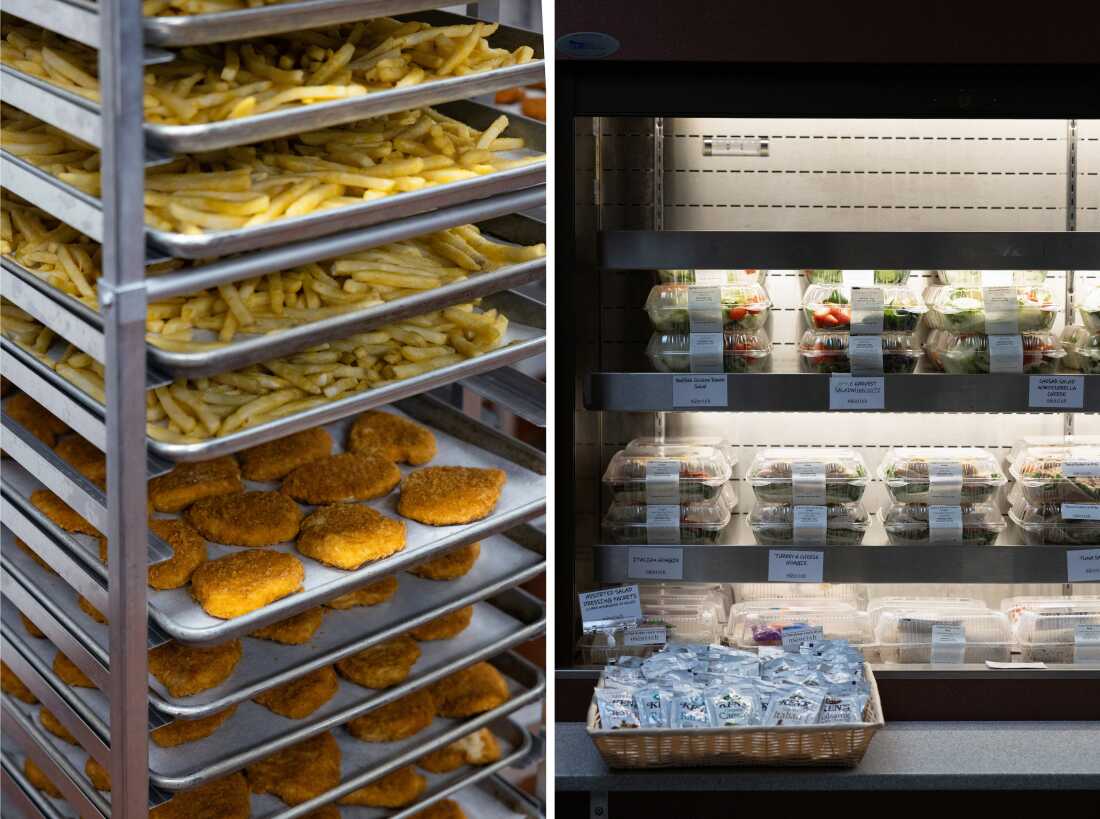
Taylor, of the Great Valley School District, said students have given feedback on menu changes. Rachel Wisniewski for NPR
To address these challenges, schools are turning to initiatives such as the Chef Ann Foundation, which provides resources for preparing meals from scratch. The Great Valley School District hired a chef to enhance its culinary offerings and skills among staff.
Nichole Taylor, the district’s supervisor, aims to create more meals from scratch, potentially balancing costs through cheaper raw ingredients and reducing reliance on external vendors.
Students have appreciated these efforts, as Varun Kartick, a senior at Great Valley High School, noted the improvement in meal quality, comparing it to dining experiences at popular food chains.
“If a kid is hungry, they’re not studying,” Taylor emphasized. She aims to increase student participation in meal programs, leading to more federal reimbursements and, most importantly, ensuring students receive adequate nutrition.
Struggling with rising grocery costs? NPR’s 4-part newsletter offers tips to reduce your food expenses. Sign up here for meal planning and budgeting insights.