Florida’s Initiative to Prevent Drowning Among Autistic Children
In a bid to enhance water safety for children with autism, Florida is rolling out a significant expansion of its swim lesson voucher program. These lessons, tailored for children aged 1 to 7, particularly those diagnosed with autism, aim to address the state’s high drowning rates through targeted education and training.
Understanding the Risk
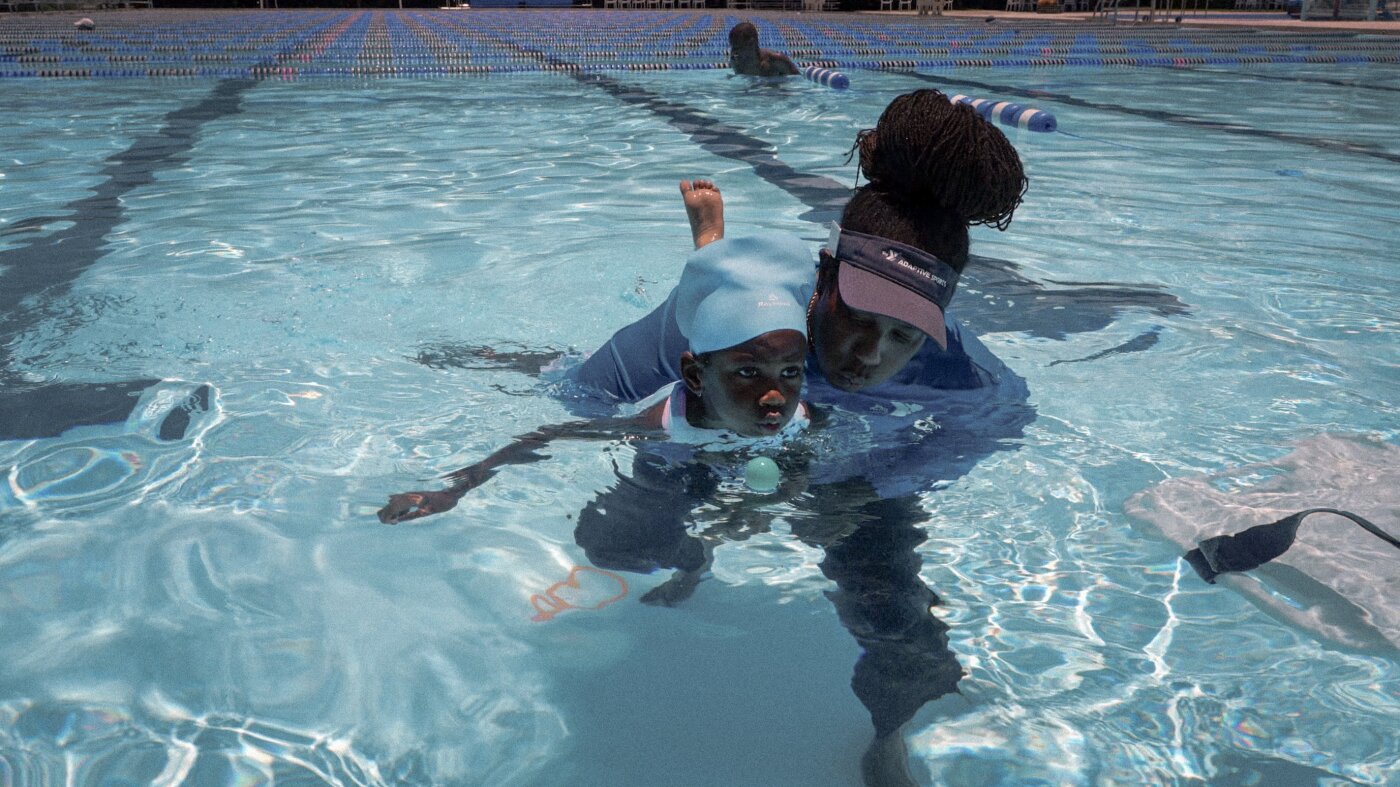
In Weston, Florida, 5-year-old Mackenzie Wesley eagerly anticipates her swim lessons in her bright blue Lilo & Stitch swimwear. Her love for water is shared by many children on the autism spectrum, who often find the sensory experience soothing. However, this attraction to water poses significant risks. According to a 2017 study by Columbia University, children with autism are 160 times more likely to drown than their peers. This alarming statistic is partly due to a tendency to wander, placing them in potentially dangerous situations.
Efforts to Prevent Tragedy
Mackenzie’s parents enrolled her in Swim Buddies, a program by the YMCA of South Florida designed for children with disabilities. The state of Florida is also prioritizing such initiatives by expanding its swim voucher program, effective July 1. This program will ensure that children with autism are prioritized for subsidized lessons. Florida state Rep. Anna Eskamani emphasizes the importance of these efforts, stating, “We have tragic circumstances and stories across the state of Florida of young children with autism that are wandering away, they’re eloping from their homes, from their classrooms.”
Comprehensive Training Approach
The YMCA of South Florida, which serves a significant number of children with autism, adopts a holistic approach to swim lessons. “We come at everything with a whole-person approach instead of just a physical approach,” says Garland Jones, the program’s director. This method includes addressing the physical, emotional, and social needs of the children, ensuring a comprehensive learning experience.
Challenges and Hopes
The demand for specialized swim lessons is high, and facilities often struggle to meet this need. Researcher Tania Santiago Perez from Florida International University, who has trained some of the instructors, highlights the importance of these lessons. Her research indicates that even five or six quality lessons can significantly improve swimming skills among children with autism.
The expansion of the voucher program is a step toward ensuring more children have access to life-saving lessons. However, the availability of qualified instructors remains a challenge. As the program grows, there is hope for increased funding and resources to support facilities like the YMCA of South Florida in their mission to provide inclusive and effective swim training.
For Mackenzie Wesley, the benefits are clear. Her swim lessons have not only made her a more confident swimmer but have also opened up new social opportunities, like attending her first pool party. Such milestones symbolize the success of these programs in providing children with the skills to safely enjoy the water.