AI Sparks Controversy at Graduation Ceremonies Across the U.S.
Recent commencement ceremonies across the United States have spotlighted the growing tension surrounding artificial intelligence (AI). As students celebrated their graduation, discussions about AI’s impact on the job market and society were met with mixed reactions, including boos from the audience.
At Glendale Community College, a technical glitch disrupted the ceremony when a new AI system failed to correctly announce graduates’ names. The college president, Tiffany Hernandez, faced a vocal crowd as she explained the issue, attributing it to the AI reader system. The college has since apologized, citing technical difficulties.
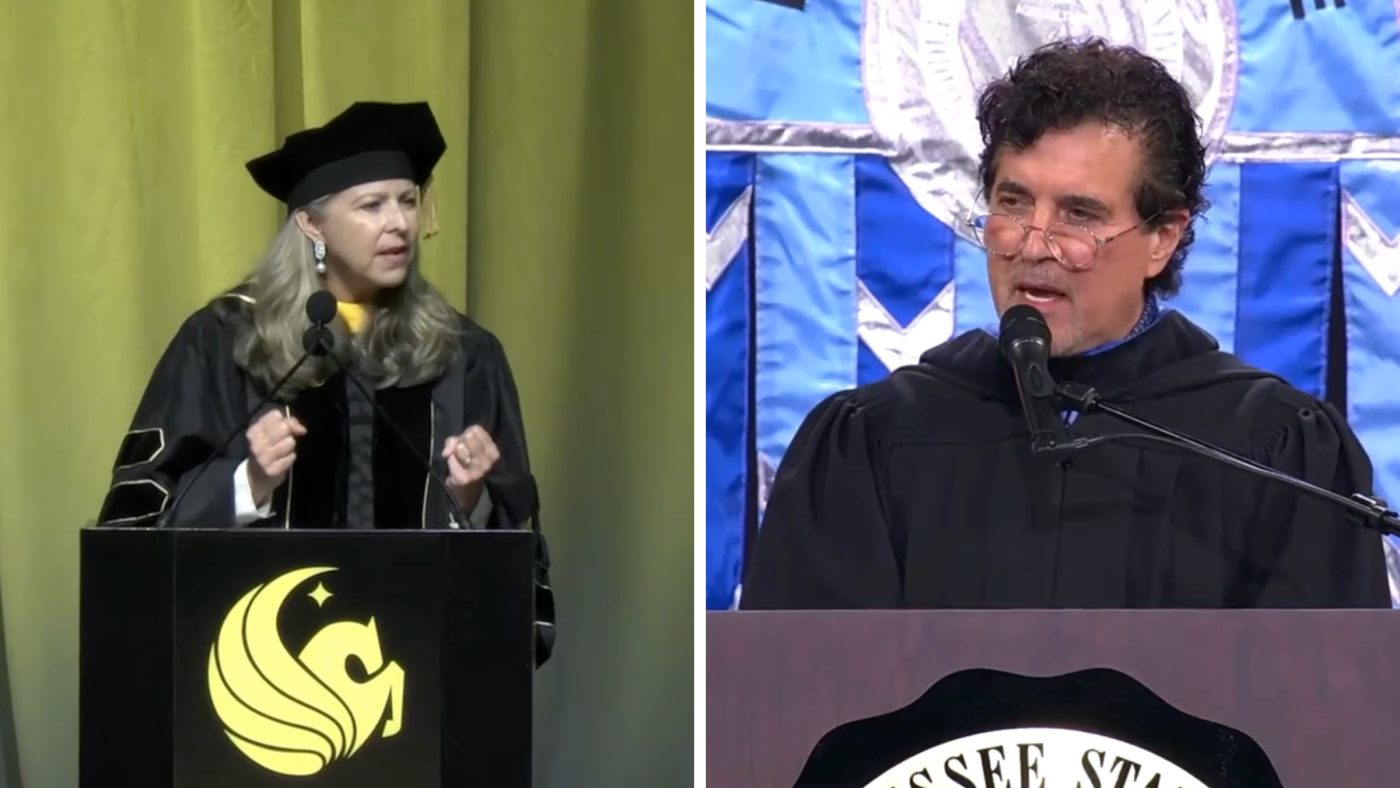
Similarly, other commencement speakers who highlighted AI’s transformative role encountered resistance. Gloria Caulfield, a real estate executive, faced immediate disapproval from the graduating class at the University of Central Florida when she referred to AI as “the next industrial revolution.” Caulfield acknowledged the reaction by stating, “OK, I struck a chord.”
At Middle Tennessee State University, Scott Borchetta, CEO of Big Machine Records, faced similar backlash when discussing AI’s impact on production. Despite boos, Borchetta urged the audience to “deal with it” and emphasized the potential of AI as a tool.
Former Google CEO Eric Schmidt also faced a chilly reception at the University of Arizona while discussing AI’s inevitable influence. Schmidt’s assertion that graduates should help shape AI’s future was met with continued disapproval.
AI’s rapid advancement since the release of ChatGPT in 2022 has left many students feeling ambivalent. While some have leveraged AI for entrepreneurial pursuits, others have criticized its potential to undermine academic integrity. These mixed experiences have contributed to the growing skepticism among graduates.
Maggie Simmons, a soon-to-be graduate from the University of Denver, expressed her concerns about AI’s environmental and social impacts. She noted that AI language models can perpetuate systemic racism and that data centers disproportionately affect minority neighborhoods. “The future should be these people in this room that are earning their degree and now going out into the workforce,” Simmons said, emphasizing the importance of celebrating human achievement over technological advancements.
Kareen Gill, who recently graduated from American University, shared her generation’s apprehension about AI’s impact on job opportunities. She remarked on the decrease in internships and entry-level positions due to AI replacing some roles, stating, “We’re seeing that firsthand and we’re seeing how much it’s disadvantaging us.”
Indeed, a March poll from Quinnipiac University revealed that 81% of Gen Z respondents believe AI will reduce job opportunities. Chetan Jaiswal, who worked on the poll, noted that while Americans are not rejecting AI, they are increasingly questioning its implications.
Gill echoed these sentiments, highlighting concerns about AI’s broader societal effects. “How they’re making billionaires richer and depleting our environment has really opened our eyes to the ripple effects of AI,” she said. The Quinnipiac poll further indicated that only 5% of Americans feel AI development is being led by entities representing their interests.