Confidential Settlement Reached in North Yorkshire Police Discrimination Case
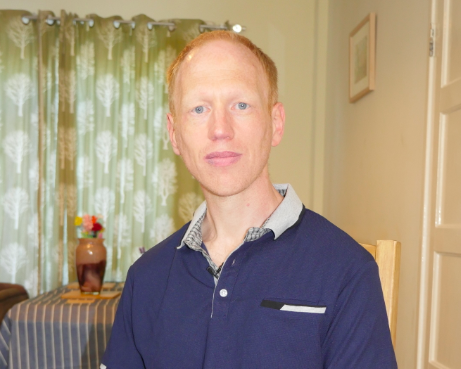
In a case that highlights tensions within institutional training programs, North Yorkshire Police have reached a confidential settlement with a former police community support officer (PCSO). The officer, Luke Salmons, alleged religious discrimination after he questioned aspects of a mandatory diversity training session.
Salmons claimed he faced discrimination and had his rights under the European Convention on Human Rights violated after raising inquiries about Islam during the training session. Following the incident, he was suspended in October 2024 and dismissed for “gross misconduct.” Additionally, he was barred from policing.
The settlement was reached with the support of the Christian Legal Centre before the case proceeded to an employment tribunal hearing.
The controversy stemmed from a compulsory training on race, religion, and culture, where the phrase “Islam is a religion of peace” was reportedly repeated. Salmons described the training as crossing the line into indoctrination.
According to Salmons, the training disproportionately emphasized Islam while limiting discussions on Christianity. He noted an instance where an Easter-related internal piece was not allowed to include Bible verses.
Two days post-training, Salmons was suspended after questioning topics such as “jihad” and Middle Eastern conflicts. He was described as “combative and critical” during the session and was advised against discussing his morals at work.
Accusations against him included being labeled an “organisational risk” and holding “racist and homophobic” views, which he claimed were not formally addressed with him.
The misconduct hearing concluded with his dismissal due to “discreditable conduct,” stating his views were not in line with NYP policies. Consequently, Salmons was placed on the Police Barred List, restricting him from policing for a minimum of five years.
Upon appeal, Chief Constable Tim Forber reversed the decision, stating that although Salmons’ comments caused discomfort, they did not constitute gross misconduct. Forber suggested “reflective learning” rather than dismissal if Salmons were still employed.
The appeal also assured that Salmons’ name would not appear on the College of Policing barred list.
Currently working for a Christian homelessness charity, Salmons recounted the personal toll of the process, expressing the distress it caused his family and the damage to his reputation.
“This process devastated me and my family. For months we lived in total uncertainty, with my reputation being shredded in secret,” Salmons stated. He emphasized the need for systemic change in the police force regarding the treatment of discussions around Islam.
A spokesperson for North Yorkshire Police reiterated the force’s commitment to inclusivity and respect for individual beliefs, provided they align with the force’s values.
Andrea Williams, from the Christian Legal Centre, commented on the broader implications of the case, arguing that it exposes issues within inclusivity training that enforce a singular ideological perspective.
“Luke’s case should concern everyone. It exposes how ‘inclusivity’ training within the police has, in practice, become a vehicle for enforcing a narrow ideological orthodoxy,” Williams said, calling for political attention to address the issue.
This article was originally written by www.christiantoday.com