Controversy Surrounds Homeland Security’s Role in U.S. Election Security
As the 2024 U.S. election approaches, concerns about election security and federal involvement have come to the forefront. With claims of election fraud and interference from foreign entities, the role of the Department of Homeland Security (DHS) has been questioned by both political leaders and election officials.
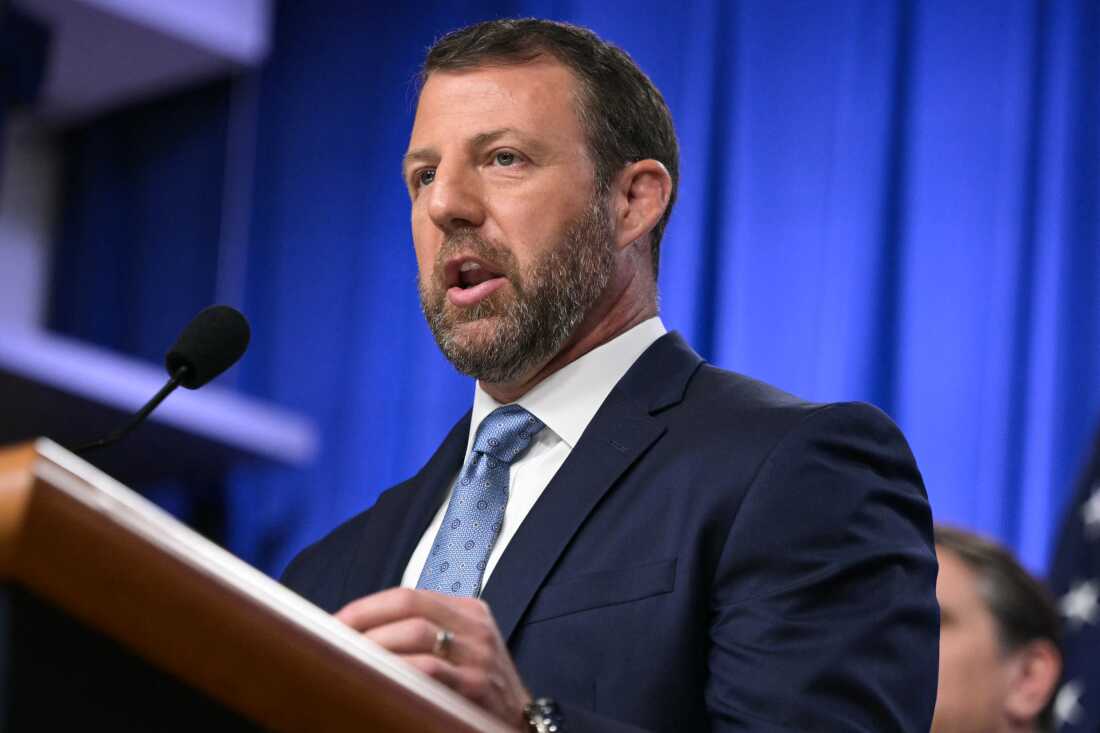
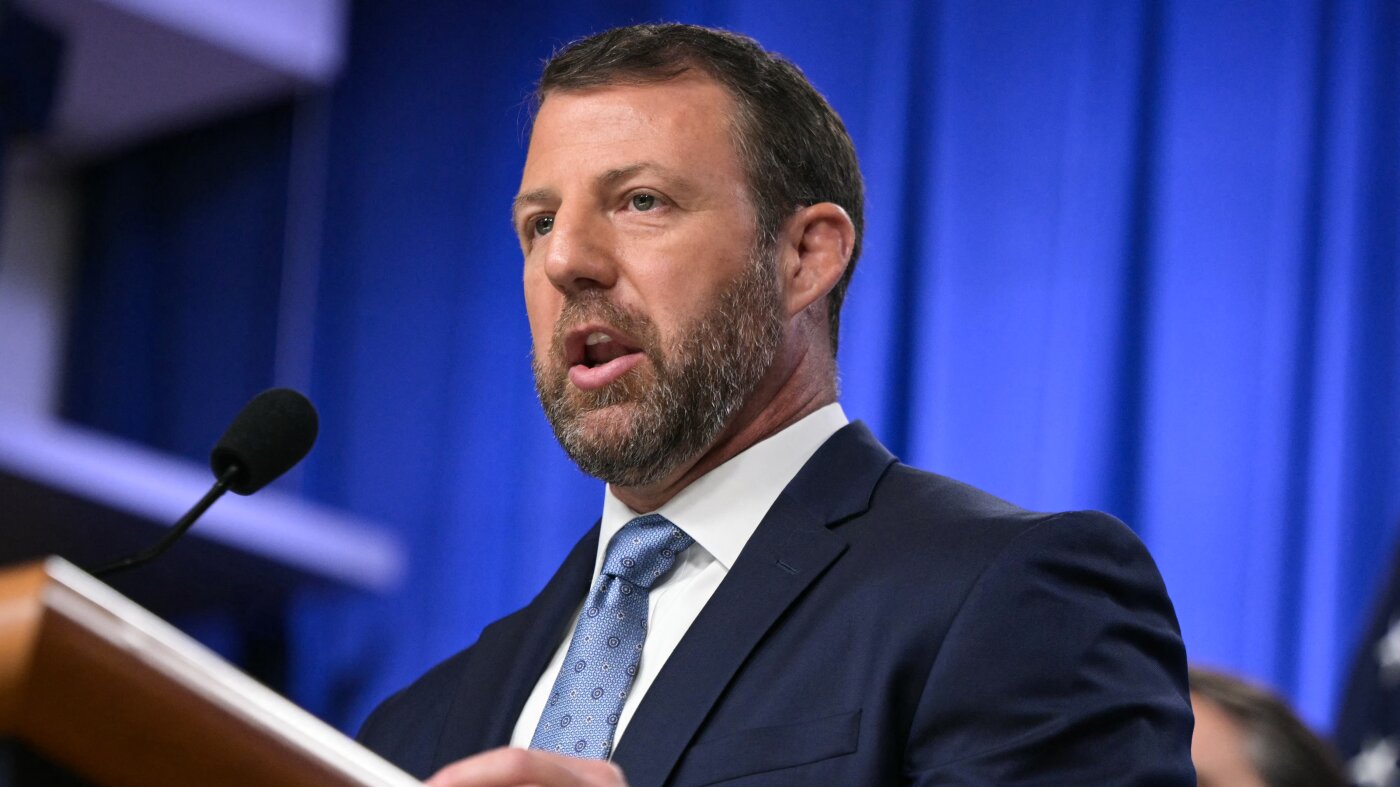
Secretary of Homeland Security Markwayne Mullin speaks during a June 11 press conference.
Oliver Contreras/AFP via Getty Images
Gary Berntsen, a former CIA operative, remains adamant that the 2020 U.S. election was tampered with by Venezuela, despite widespread debunking of this claim, including during Fox News’ settlement with Dominion. Berntsen claims to have identified multiple technical avenues for election interference, a sentiment he shared with conservative podcaster Lara Logan.
Berntsen’s efforts to raise alarm about these claims have largely been ignored by authorities, including the FBI and media outlets. Undeterred, he approached Congress only to find little support, except from one key figure: Markwayne Mullin, the current head of DHS and former U.S. senator.
“One politician in America was not afraid,” Berntsen said to Logan. “It was Markwayne Mullin of Oklahoma.”
Allies of Berntsen suggest that Mullin facilitated a meeting at Mar-a-Lago for Berntsen to present his theories to President Trump’s team, further underscoring Mullin’s involvement in election denial activities. Mullin has previously expressed doubts about the 2020 election results, going so far as to vote against certifying the Electoral College results.
This history raises significant concerns amongst election officials who fear the DHS, under Mullin’s leadership, might undermine electoral integrity rather than protect it. Matt Crane, a former Republican county clerk, voices skepticism about collaborating with federal authorities, fearing misuse of voter data.
Trump’s administration has sought increased control over election processes, with White House border czar Tom Homan hinting at deploying immigration enforcement at polling places, despite such actions being illegal under federal law.
At his confirmation hearing, Mullin assured that DHS would only intervene at polling sites under specific threats. However, the DHS has faced setbacks, with many within the Cybersecurity and Infrastructure Security Agency (CISA) either resigning or being pushed out. The agency has lacked a Senate-confirmed leader throughout Trump’s second term.
Local officials like Paul Lux, an election supervisor in Florida, describe a lack of communication with CISA, despite official claims of ongoing support. Lux states, “It’s been radio silence from CISA when we reach out about just about anything.”
The Election Infrastructure Information Sharing and Analysis Center (EI-ISAC), a key cybersecurity resource for election officials, lost federal funding in 2025 under the Trump administration’s budget cuts, leaving localities to fend for themselves in terms of cybersecurity.
A Fractured Landscape
The EI-ISAC is attempting to adapt to its new funding structure, but membership has drastically decreased. Plans to establish a virtual situation room for election threats are in place, but federal involvement remains minimal.
Sen. Mark Warner has proposed legislation to reinstate funding for nationwide threat-sharing services, but its future remains uncertain.
As the U.S. navigates the complexities of election security, the relationship between local election officials and federal agencies remains strained, with trust needing significant repair.
This article was originally written by www.npr.org