
The Unfolding Controversy of a Botched Execution in Tennessee
Amidst debates about capital punishment in the United States, a recent incident in Tennessee has reignited discussions. The execution of Christa Pike, who survived despite two lethal injections, is under scrutiny, raising questions about the state’s execution procedures.
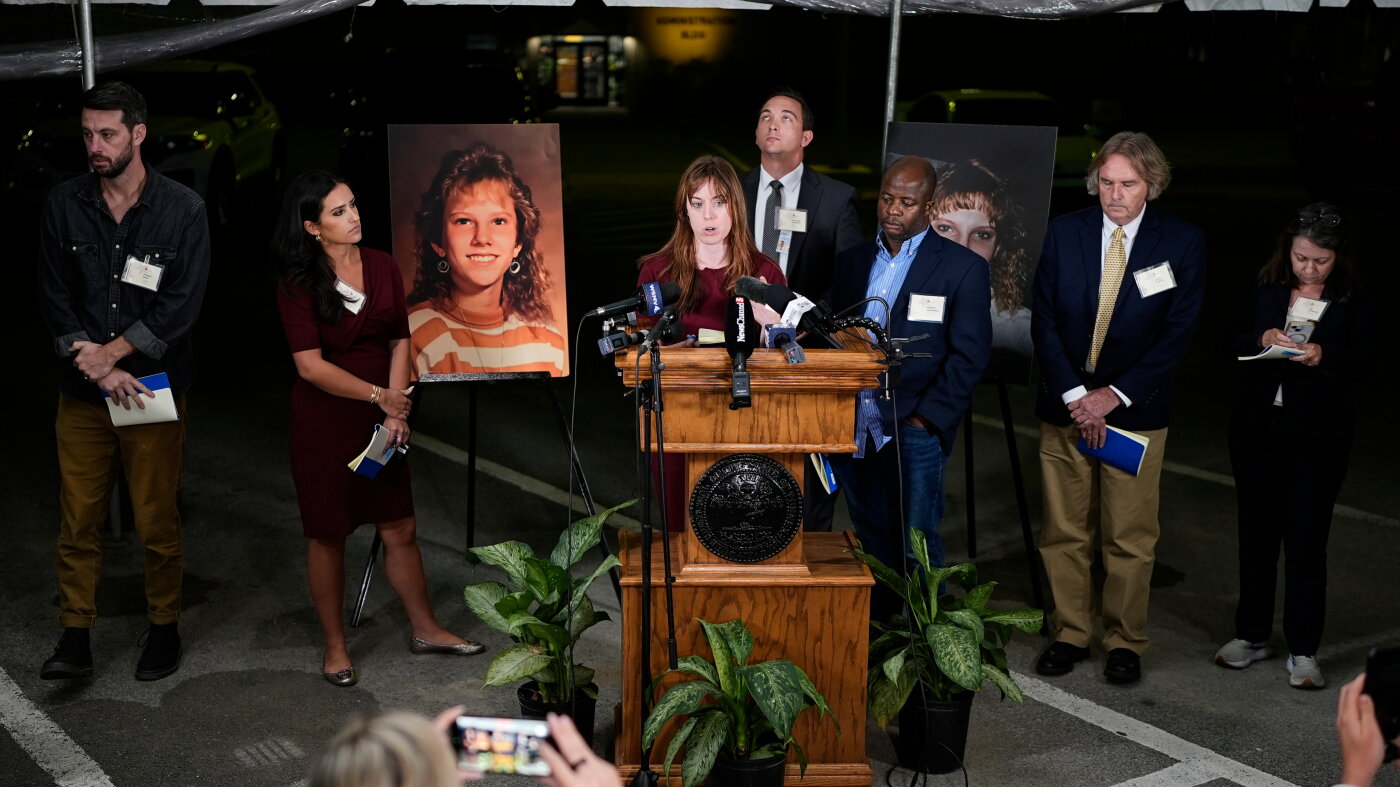
On Wednesday, Pike, 50, was strapped to a gurney and reportedly received a lethal dose of pentobarbital. Witnesses recount how she expressed discomfort, describing a burning sensation in her arm, and requested, “please try up on my shoulder higher.” Despite a second dose, Pike remained conscious and was later hospitalized in critical condition, receiving “lifesaving care” as her attorneys revealed.
Pike’s lawyer, Randy Spivey, described the event in a video press briefing as a form of “torture” and “cruel.” The Death Penalty Information Center noted that Pike became the first known person to survive after receiving lethal injections, citing the incident as unprecedented in modern execution history.
Robin M. Maher, executive director of the Death Penalty Information Center, criticized the secrecy surrounding Tennessee’s execution protocols. “This failed attempt is the worst we’ve ever seen,” Maher stated in a statement, pointing to the lack of transparency as a significant issue.
Pike, convicted of the 1995 murder of Colleen Slemmer, would have been the first woman executed in Tennessee in over two centuries. However, this marks Tennessee’s second botched execution attempt this year, following the halted execution of Tony Carruthers in May.
In response to the incident, Republican Gov. Bill Lee has called for a moratorium on executions for the remainder of the year and initiated an investigation. During a press conference, Lee acknowledged the botched execution but emphasized that the death penalty remains a legal punishment in Tennessee for severe crimes.
Political opinions diverge sharply on the issue. U.S. Sen. Marsha Blackburn advocated for a return to the electric chair, while her Democratic opponent Jerri Green criticized the death penalty as “inhumane, expensive, and biased.” Green’s statement highlighted concerns about wrongful convictions and the death penalty’s alignment with pro-life values.
Political and Social Reactions
Efforts to abolish the death penalty continue, with Sen. Dick Durbin and Rep. Ayanna Pressley reintroducing legislation to end federal executions. Durbin has criticized the death penalty as disproportionately affecting marginalized communities and questioned its efficacy as a crime deterrent.
Public opinion on capital punishment has shifted over the years. A Gallup Poll indicates fluctuating support, with approval rates peaking in the 1990s but declining to 52% by 2025.
Amnesty International has called for the U.S. to abolish the death penalty, declaring the country increasingly isolated as global views shift. The number of executions in the U.S. rose last year, with Florida leading the count.
Execution methods vary across states, with lethal injection being the most common. However, alternative methods like the firing squad and nitrogen inhalation have drawn criticism from UN experts, who equate them to “state-sanctioned torture.”
This article was originally written by www.npr.org





Comments are closed.