Unveiling Ancient Mysteries: A New Initiative on the Dead Sea Scrolls
In an exciting development for historians and archaeologists, a comprehensive study on the origins of the Dead Sea Scrolls is set to commence, aided by a substantial grant of 2.5 million euros from the European Research Council.
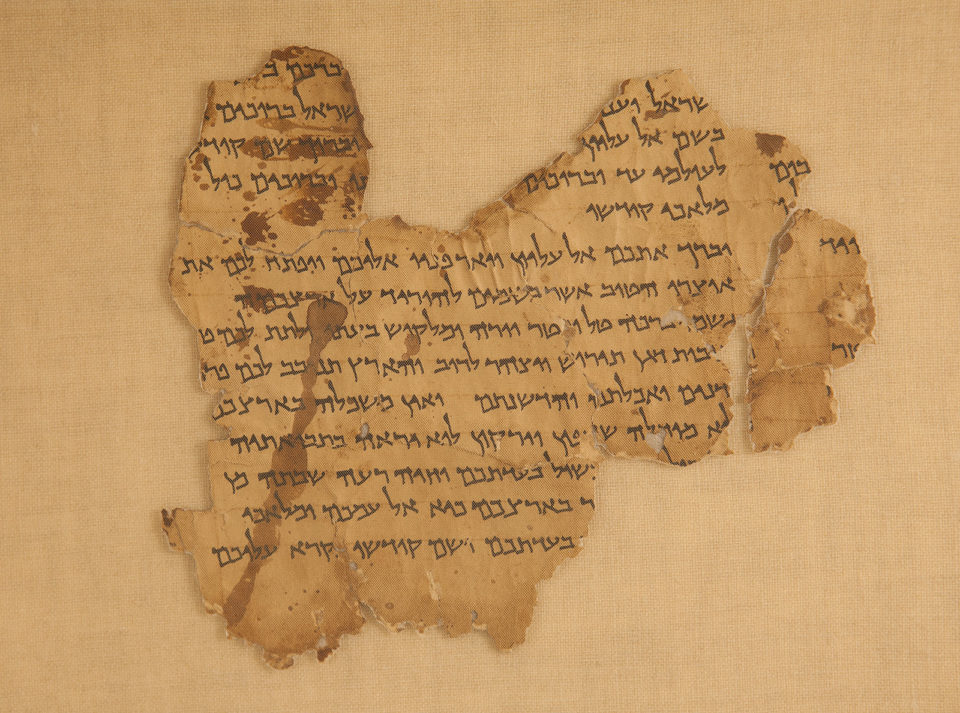
The Dead Sea Scrolls, uncovered during the mid-20th century, date back to the era of Jesus, with some scrolls traced to the 3rd century BC. These manuscripts, which include copies of texts found in the Old Testament, are hailed as one of the most crucial archaeological discoveries in Christian and Jewish history. They offer evidence that scripture has remained largely unchanged since ancient times.
This groundbreaking research aims to explore the creation sites of the scrolls and what these locations reveal about the ancient world’s scribal practices and knowledge dissemination.
Professor Mladen Popović from the University of Groningen leads the initiative, collaborating with the Israel Antiquities Authority, the scrolls’ custodians, and various scientists and historians.
By employing chemical analysis, artificial intelligence, paleography, and codicology, the team seeks to uncover not only the origin of the scrolls but also the reasons behind their placement in the caves. This investigation may shed light on whether these caves served as hiding spots or acted as rudimentary libraries.
The project aspires to chart over 25,000 fragments, aiming to determine the geographical and chronological context of individual manuscripts and scribes.
Professor Popović remarked, “This is the largest research project to date to use artificial intelligence to investigate the cultural context of the Dead Sea Scrolls. These manuscripts provide an extraordinary window into the intellectual world of ancient Judea.”
He further explained how the fusion of advanced laboratory techniques with the analysis of ancient handwriting and the latest AI advancements will help tackle previously unanswerable questions regarding the manuscripts’ origins, production, and societal roles.
Joining the research endeavor is Dr. Ilit Cohen-Ofri from the Israel Antiquities Authority, emphasizing the creation of an “unprecedented database” detailing the chemical makeup of samples from the scrolls.
Dr. Cohen-Ofri stated, “The Israel Antiquities Authority is entrusted with the preservation, documentation, and study of the Dead Sea Scrolls, and we continue to invest significant effort in advancing their scientific investigation.”
She highlighted the recent realization of the vast information retrievable from materials like parchment, papyrus, and ink, which offer hidden insights from thousands of manuscript fragments enduring over two millennia.
“Participating in an international project of this scale enables the Israel Antiquities Authority to contribute its expertise in material analysis of artifacts to some of the most important questions in Dead Sea Scrolls research, benefiting both the scholarly community and the broader public,” she added.
This article was originally written by www.christiantoday.com