New Federal Test Puts College Programs Under Financial Microscope
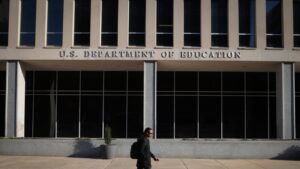
As the U.S. Department of Education introduces a groundbreaking financial accountability measure, colleges across the nation face new scrutiny over the economic outcomes of their programs. This initiative aims to ensure that higher education remains a worthwhile investment for students and taxpayers alike.
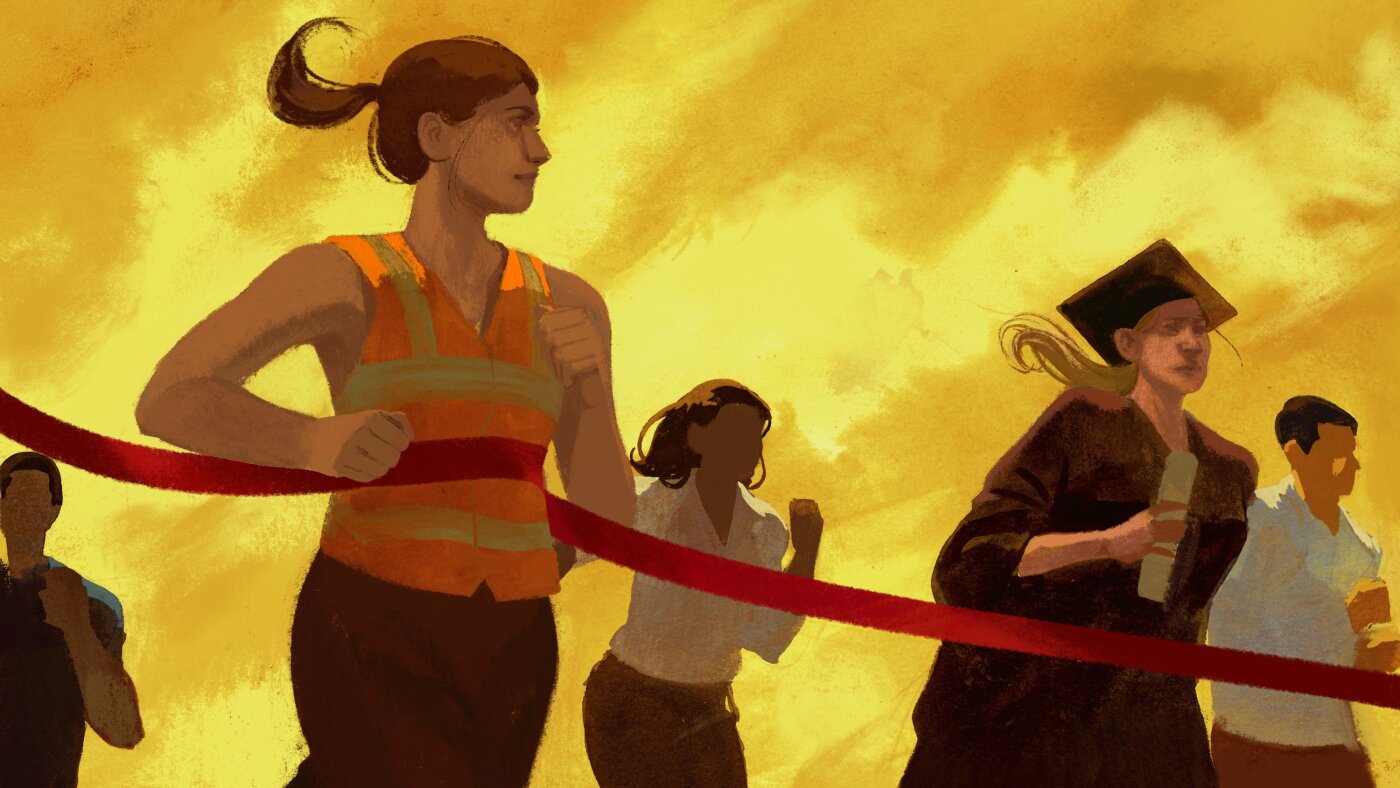
This newly implemented “do no harm” test mandates that undergraduate programs must demonstrate that their graduates earn more than those without a college degree. Similarly, graduate programs are required to show that their alumni earn above those with just a bachelor’s degree. Failure to meet these benchmarks could result in programs being denied federal student loan access.
Under Secretary of Education Nicholas Kent emphasized the test’s rationale: “If a program cannot show that it leaves its graduates financially better off than if they had never enrolled, it should not be underwritten by federal taxpayers,” he stated in a recent statement.
Impact on Arts and Humanities
The new measure has sparked debate about the core mission of higher education. Some argue it is not solely about financial gain. Lee Ann Scotto Adams of the Strategic National Arts Alumni Project (SNAAP) asserts that “earnings is only a small piece of that puzzle” for graduates of creative arts programs. Concerns are mounting that this financial focus may prompt institutions to cut low-earning programs in music, theater, and art, potentially diminishing the nation’s cultural landscape.
Doug Dempster, president of SNAAP, warns against undervaluing essential cultural professions, stating, “We don’t know how many artists we need, but I can guarantee that if you eliminate access, we will impoverish our cultural life nationally.”
Measuring Financial Success
The earnings test is part of a broader legislative effort, the One Big Beautiful Bill Act, aimed at addressing the cost and value of higher education. The test’s threshold is set relatively low, according to Christopher Madaio from The Institute for College Access & Success, who describes it as a “very low floor” since programs must merely exceed high school-level earnings.
Programs failing to meet the required earnings for two out of three years could face funding cuts. However, this does not account for student loan debt, which complicates the financial picture for graduates.
Programs at Risk
While most programs are expected to pass, the Education Department estimates that over 800,000 students are enrolled in programs likely to fail. For-profit institutions, which have faced criticism for their educational value, account for a significant portion of these programs. Among undergraduate and graduate offerings, certificate programs in fields like cosmetology and certain associate degrees, particularly in early childhood education, show the highest risk of failure.
Only a small fraction of traditional four-year programs are likely to fail, mainly in creative fields like music and theater. Some prestigious music schools, including The Juilliard School, are predicted to fall short of the earnings test.
Beyond Earnings: Defining Career Success
SNAAP’s Scotto Adams critiques the government’s uniform approach, suggesting that success in the arts involves more than just wages. She argues that creative professionals prioritize job independence, cultural impact, and social consciousness. SNAAP data indicates that while arts graduates may face initial income instability, their earnings often increase over time.
Despite the ongoing rollout of this accountability test, students in programs at risk of failing will not immediately lose federal aid. Implementation will be gradual, allowing time for adjustments and considerations of what constitutes success in higher education.