
A Critical Email Sparks Investigation by ICE: A Closer Look at First Amendment Concerns
In a riveting case that has captured attention nationwide, a New York resident found himself under scrutiny by federal agents following a critical email sent to the former head of U.S. Immigration and Customs Enforcement (ICE). This incident has sparked a legal debate over First Amendment rights and the extent of governmental oversight.
David Streever, based in Rochester, NY, became the focus of an investigation after U.S. Immigration and Customs Enforcement agents sought him out at multiple locations, including his home and a hotel. The scrutiny stemmed from a scathing email he sent to Todd Lyons, a former acting director of ICE, five months prior. Federal officials now find themselves defending the propriety of such investigations in court filings.
The investigation concluded in late June, according to these documents. The backstory involves Streever’s email, sent in January, which compared Lyons to a Nazi following the fatal shooting of two observers in Minneapolis by federal immigration officials. The email predicted that Lyons would suffer from a guilty conscience.
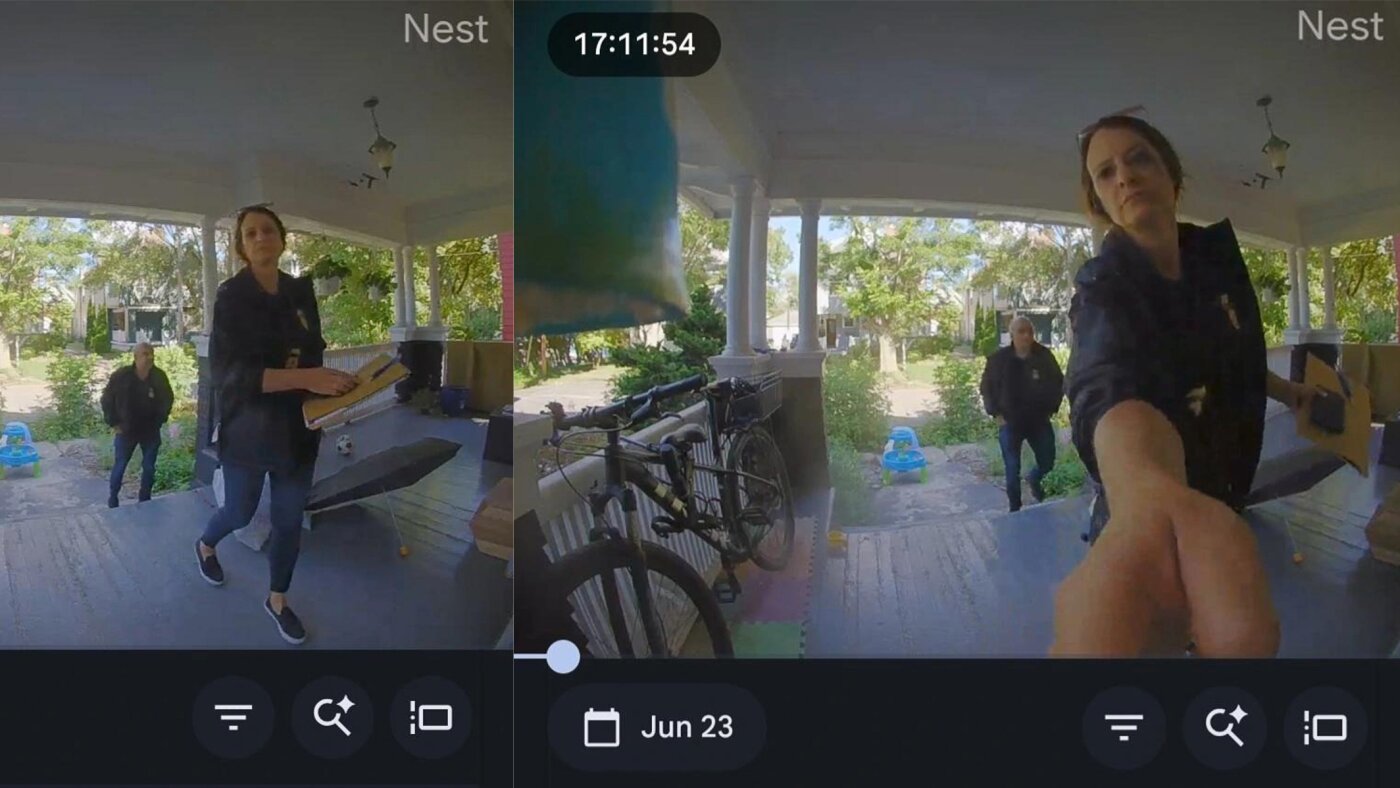
In June, two ICE agents visited Streever’s home to question him about the email. They left a warning notice with his wife for him to sign, indicating potential violations of federal laws concerning threats to federal officials. The warning stated, “Receipt of this Notice will be taken into consideration, should you continue to be involved in any criminal activities described above.”
Streever has since filed a First Amendment lawsuit, with support from the Foundation for Individual Rights and Expression (FIRE). The lawsuit challenges the federal actions as a violation of his free speech rights and seeks a court order to prevent any future intimidation or retaliatory actions by the Department of Homeland Security and ICE.
In response, the federal government’s legal team argues that dismissing the case is necessary to avoid impeding the government’s investigative prerogative, especially amid increasing threats against public officials. “In-person investigatory visits from law enforcement—accompanied by prophylactic warnings about federal law—are a critical tool in the investigative and preventative process, and they do not violate the First Amendment,” states the filing.
Interestingly, the government’s filing does not assert that Streever’s email constituted a prosecutable violent threat. Adam Steinbaugh, an attorney with FIRE, highlights this omission, noting, “They effectively concede that this is protected political speech. And I think that should send alarm bells ringing.”
Streever’s email, titled “What’s next,” criticized Lyons harshly, calling him a “monstrous human being” and likening him to Reinhard Heydrich, a Nazi official. The message warned Lyons he would be tormented by his own conscience for his actions.
Brent Goodwin, ICE’s assistant director for investigations, explained in a court declaration that the email was flagged due to its “potential threatening undertones” and prompted an investigation. Agents from Jersey City traveled over 330 miles to Rochester to question Streever, but he was in Europe at the time. They attempted to intercept him at JFK Airport upon his return but failed to make contact. The investigation was closed after all leads were exhausted.
The broader implications of the case are concerning for advocates of free speech. Steinbaugh warns, “If the government is able to issue a warning notice here, what’s to stop them from issuing it to anyone who criticizes ICE online?”




Comments are closed.