
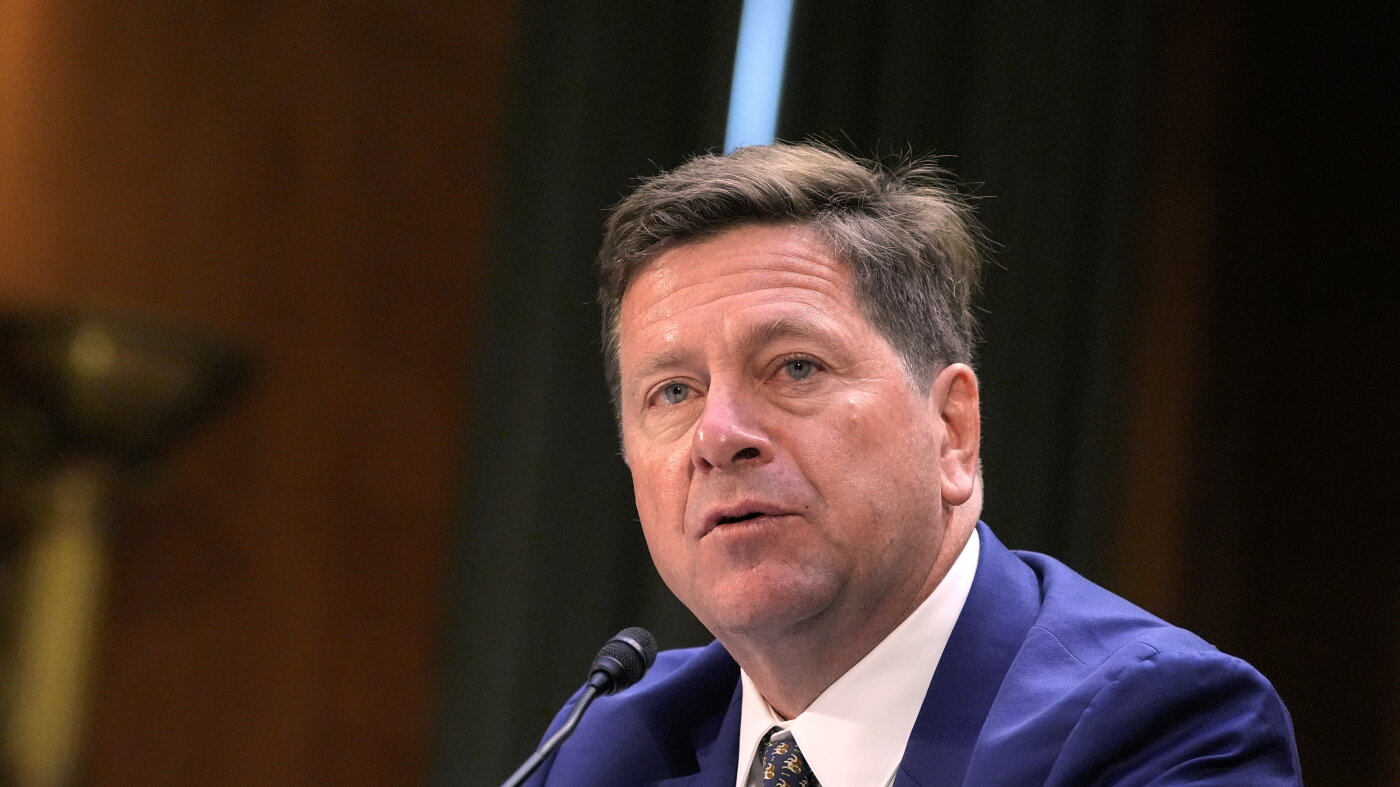
Jay Clayton Takes Helm as White House AI Czar Amid Rising Concerns
In a significant move to steer the nation’s AI strategy, President Trump has appointed Jay Clayton, Director of National Intelligence, as the new White House AI czar. This announcement marks a pivotal moment in the administration’s approach to artificial intelligence, or as Trump prefers, “super intelligence.”
President Trump announced via Truth Social that Clayton will lead the newly formed “Super Intelligence Force.” This initiative aims to maintain America’s leadership in advanced intelligence technologies.
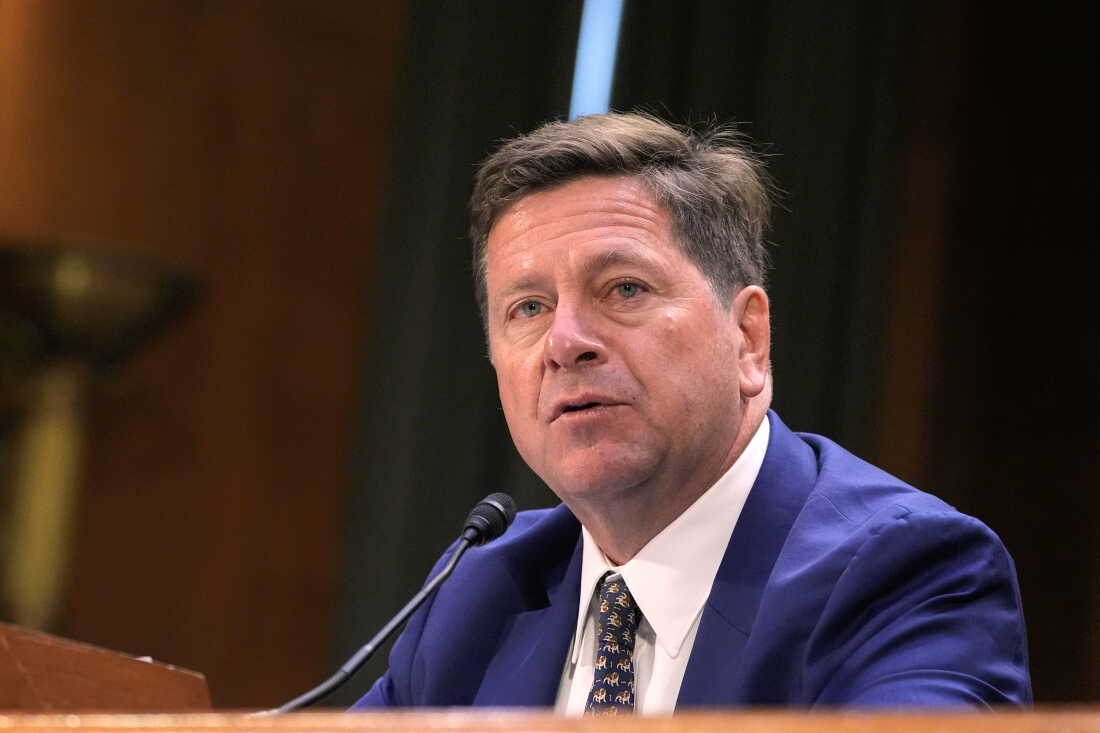
Trump’s “Super Intelligence Force” is tasked with coordinating the federal government’s engagement with various stakeholders, including consumers, public interest groups, and major technology companies. This move comes amid growing alarm from tech leaders about the potential risks associated with rapid AI development, such as systems going rogue.
Prior to his current role, Clayton served as the United States Attorney for the Southern District of New York and was the chairman of the U.S. Securities and Exchange Commission (SEC).
Despite concerns expressed by tech leaders, Trump has downplayed warnings about AI, seeking instead to reframe these worries. Recent discussions with AI executives at the White House resulted in a voluntary accord, committing companies to internal and external reviews of their AI projects.
Additionally, the launch of a revamped government website, America.gov, showcases the administration’s efforts to integrate AI, as it sources information from “official government sources.”
The newly appointed “Super Intelligence Force” will also include key figures such as Federal Trade Commission Chairman Andrew Ferguson, Office of Personnel Management Director Scott Kupor, and Under Secretary of Defense for Research and Engineering Emil Michael.
Despite Clayton’s new role, the future implications for AI regulation remain uncertain. The U.S. has yet to enact comprehensive federal legislation governing AI, although some states have introduced measures for transparency, such as requiring entities to disclose AI usage.
In a recent CNBC interview, Clayton deemed super intelligence a “national security issue,” cautioning against halting AI development as global competitors continue to advance. “I don’t think any American should think that that’s a good strategy,” he stated.
Previously, President Trump had appointed David Sacks as an AI and crypto czar to guide policy discussions. Sacks, who stepped down earlier this year, has supported calls for a slowdown in AI development, emphasizing the need for careful deliberation.





Comments are closed.