(Photo: Getty/iStock)
Pope Gregory I, often heralded as Gregory the Great, played a pivotal role in shaping the religious landscape of Britain and beyond. His influence is not only preserved through the Church but also through his contributions to music and missionary work.
Profile of Pope Gregory
Born around AD 540 in Rome as Gregorius Anicius, Gregory ascended to the papacy on 3 September 590. Renowned for his organizational acumen, literary contributions, and missionary zeal, he embraced the title “Servus Servorum Dei” or “Servant of the Servants of God.” This designation continues to be employed by popes in their official communications.
Musical Legacy: Gregorian Chants
Gregory’s revisions of the liturgy led to the creation of a unique form of plainsong, now known as Gregorian Chant. This style, characterized by unaccompanied, harmonious chanting, remains the oldest form of written Western music. In a testament to its enduring appeal, the Benedictine monks of Santo Domingo de Silos in Spain recorded the album “Chant” in 1994, achieving double platinum status. Listen to it on YouTube.
Influential Writings: The Book of Pastoral Care
In AD 590, Gregory authored the Liber Regulae Pastoralis, or “Book of Pastoral Care.” This guide became essential for bishops and priests across Europe, shaping their understanding of ecclesiastical duties. Alfred the Great ensured its translation into Anglo-Saxon, marking it as the oldest surviving book written in English. The manuscript is preserved at the Bodleian Library in Oxford and was included in the UK’s Memory of the World Register in 2011.
Evangelistic Endeavors
Gregory envisioned the Church as a universal entity, aiming to expand Christianity beyond the Roman Empire. His mission strategies included sending envoys to regions like Gaul, Lombard Italy, Spain, Africa, and notably, England. Post-Roman Britain had largely returned to paganism, and Gregory sought to reverse this trend, a mission chronicled by The Venerable Bede in “Ecclesiastical History of the English People.”
England’s Conversion: An Angelic Vision
Before his papal tenure, Gregory, then a Roman monk, encountered fair-skinned, fair-haired slaves in the market, described as Angles. His remark, “Non Angli, sed angeli” (“Not Angles, but angels!”), reflected his wish for their Christian conversion. Although Gregory himself could not travel to England, once pope, he dispatched St Augustine and a cohort of monks to Kent in 597 AD. Here, Queen Bertha, a Christian, welcomed them, and her church, St Martin’s, remains England’s oldest active Christian church.
Canterbury and Beyond
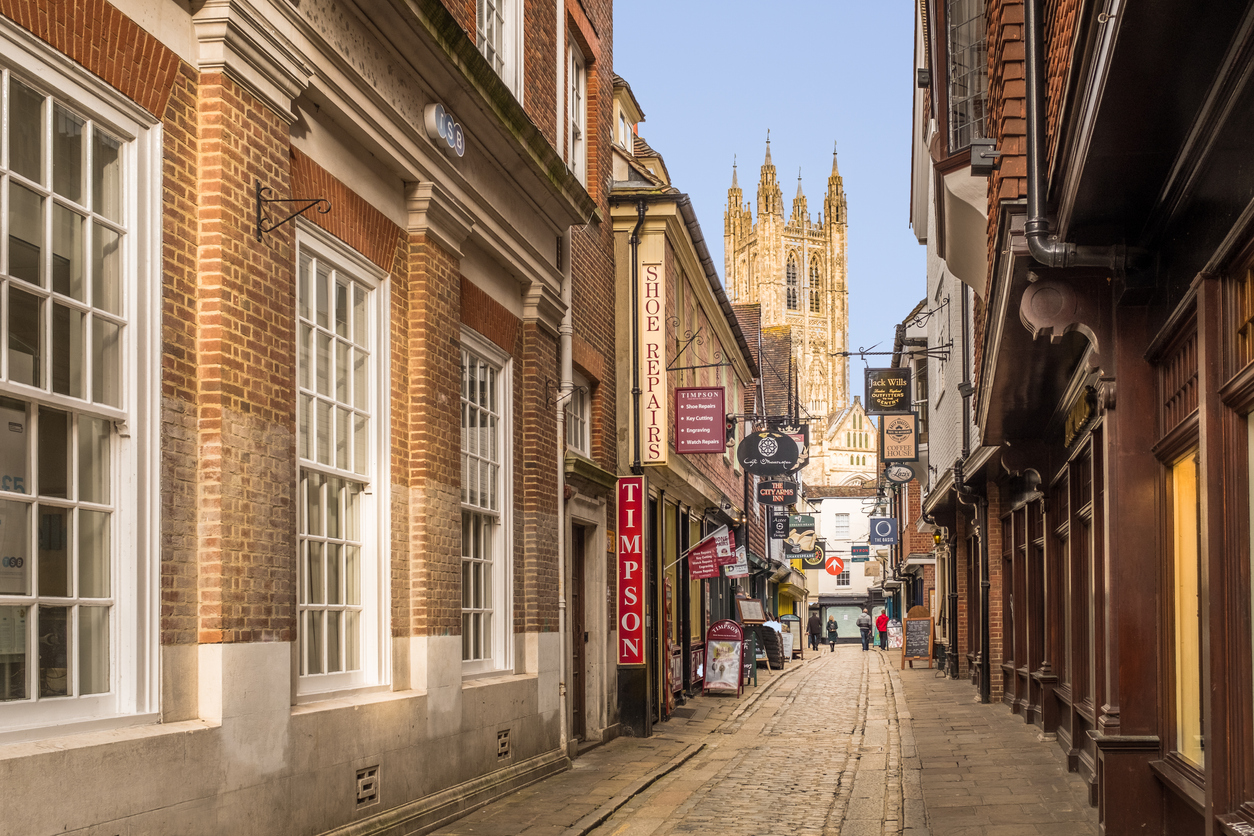
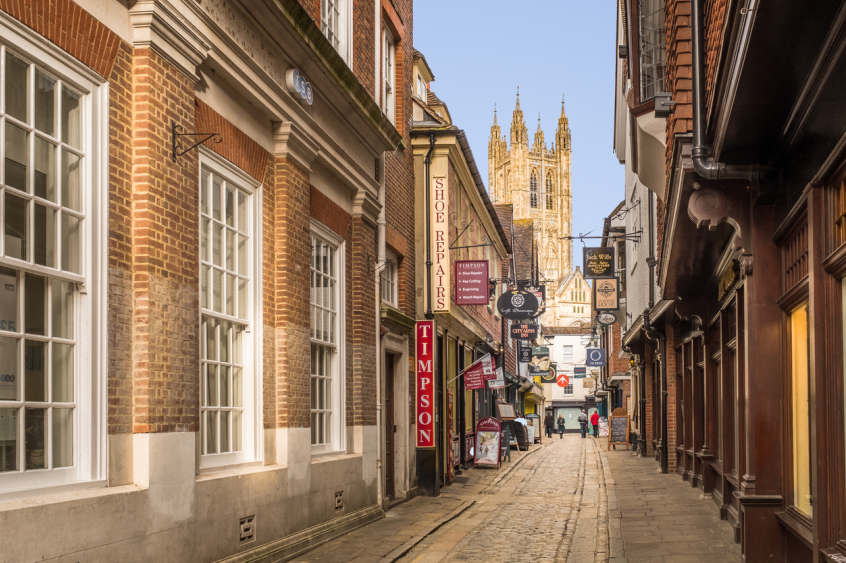
Following King Aethelbert’s conversion, Canterbury emerged as England’s ecclesiastical nucleus. St Augustine became Canterbury’s first archbishop, establishing a legacy that persists today. St Paulinus, one of Augustine’s companions, advanced the mission in Northumbria, becoming York’s first bishop and solidifying the Church’s prominence in England.
A Lasting Impact
Pope Gregory passed away on 12 March 604 AD and was soon revered as a saint. Despite the absence of formal canonization, his writings earned him the title of Doctor of the Church in 1298, as declared by Pope Boniface VIII. Among the Early Church Fathers, Gregory is one of only three popes honored with the title “the Great,” alongside Leo I and Nicholas I.
Church of England’s Genesis
Gregory’s initiative to evangelize England laid the groundwork for the English Church’s establishment. Although it later separated from papal authority under Henry VIII to form the Church of England, its Latin roots remain evident in the term “Anglican.” The term acknowledges Gregory’s instrumental role in the conversion of the English, earning him the moniker “Apostle of the English,” a title also attributed to St Augustine.
Honoring Pope Gregory
Commemorative practices for Pope Gregory vary by tradition. In the Orthodox sphere, 12 March marks his death anniversary. In Slovenia, St Gregory’s Day or Gregorjevo celebrates spring and love. The Roman Catholic Church, since 1969, honors him on 3 September—the anniversary of his papal consecration—as the Feast Day of Saint Gregory the Great. This date is similarly observed by most Anglican churches.
The St Gregory’s Day collect reads: “Merciful Father, who chose your bishop Gregory to be a servant of the servants of God: grant that, like him, we may ever long to serve you by proclaiming your gospel to the nations, and may ever rejoice to sing your praises; through Jesus Christ your Son our Lord, who is alive and reigns with you, in the unity of the Holy Spirit, one God, now and for ever.”
This article was originally written by www.christiantoday.com