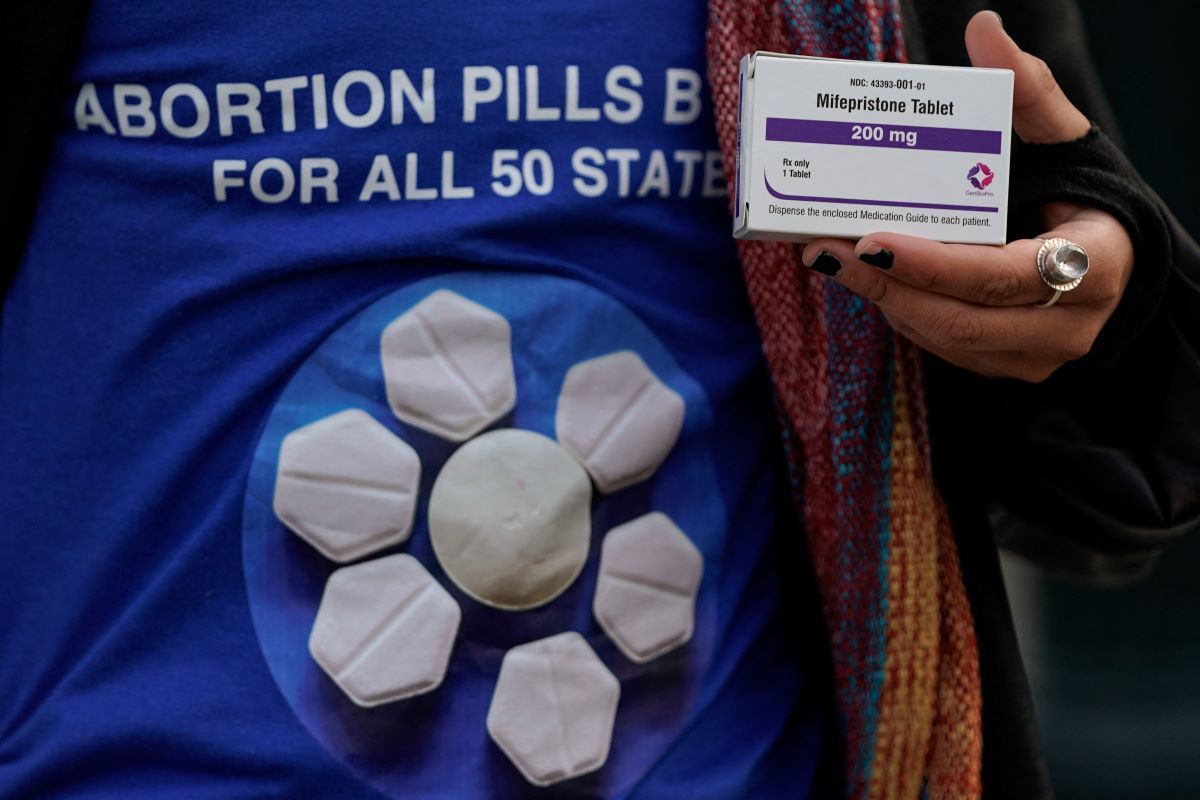
The landscape of abortion in the United States has shifted dramatically over recent years, largely driven by the increasing availability and use of abortion pills. A recent study by the Charlotte Lozier Institute highlights how this trend is reshaping the abortion scene, particularly focusing on Planned Parenthood’s role and the rise of chemical abortions.

Released on June 9, the study titled “Inducing Demand for Abortion in the Absence of Medical Necessity: Planned Parenthood and Abortion Drugs” was published in the Fortune Journal of Health Sciences. It meticulously documents the trends in abortion statistics from 1999 to 2023, emphasizing the role of Planned Parenthood and the impact of chemical abortions. The report reveals a notable increase in abortions, attributed predominantly to the prevalence of abortion pills.
In the year 1999, Planned Parenthood was responsible for 13.9% of the over 1.3 million abortions performed nationwide. Fast forward to 2023, and this figure had surged to 38.8%, nearing the record high of 41.2% set in 2020. During this period, abortions performed by Planned Parenthood rose from 182,792 to 402,230, marking a 120% increase. Conversely, other facilities saw a 44% decline, dropping from 1,131,988 in 1999 to 634,770 in 2023.
The total number of abortions peaked in 1999, remaining above one million annually until 2012. However, a decline began in 2008, reaching a low of 862,320 by 2017. Since 2018, the numbers have once again been on the rise, hitting 1,037,000 in 2023. The study attributes this resurgence to the growing use of mifepristone, an abortion pill approved by the FDA in 2000.
Initially, in 2001, chemical abortions made up 5% of total abortions. This percentage has increased annually, reaching 63% by 2023. The report links this trend to several FDA decisions, including extending the use of the abortion pill from seven to ten weeks of pregnancy in 2016, permitting non-doctors to prescribe it, and eliminating the requirement to report adverse events other than death.
Further changes in 2021 allowed women to obtain abortion pills without an initial in-person doctor visit and enabled mail delivery of these pills. By 2023, pharmacies were also authorized to dispense the abortion pill, contributing to its dominance in the abortion market.
James Studnicki, Vice President and Director of Data Analytics at the Charlotte Lozier Institute, responded to the findings stating, “Planned Parenthood has transformed itself into the dominant provider of abortion in the United States.” He added that the strategic shift towards abortion services and the rise of abortion drugs have “fundamentally reshaped the abortion landscape.”
Studnicki further noted, “This troubling reversal of nearly 30 years of progress in reducing abortions underscores how an industry can actively drive demand for abortions on healthy moms with healthy babies.”
This report emerges amid the Trump administration’s review of the abortion pill, prompted by an Ethics and Public Policy Center report. This report highlighted a 10.7% adverse event rate for women using the abortion pill, significantly higher than the 0.5% reported by FDA clinical trials, with complications including sepsis and hemorrhaging.
The study includes data from the year following the 2022 Supreme Court decision in Dobbs v. Jackson, which ruled that the U.S. Constitution does not guarantee a right to abortion. While pro-life states saw a reduction in abortions due to new restrictions, the availability of the abortion pill largely offset these decreases.
This article was originally written by www.christianpost.com