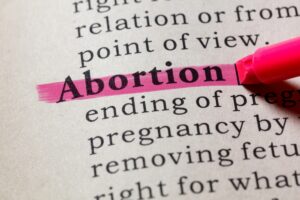

In a series of recent legislative decisions, the United Kingdom has made significant changes to its policies on life and death, leading to reactions that span from concerned to celebratory. The UK Parliament’s votes have now allowed for abortions to be carried out up until birth and have also introduced assisted suicide under the guise of a new National Suicide Service. These developments have left many pondering the moral and societal implications.
According to critics, these changes reflect a society moving away from its traditional Christian values, which previously emphasized the sanctity of life. The notion that “choice” has become a mechanism to limit life is seen by some as a reflection of God’s judgment, where autonomy has replaced divine guidance. This perspective is informed by the biblical teachings that used to underpin societal values like equality, freedom, and justice.
Some argue that the recent votes, particularly on assisted suicide, represent a triumph for secular humanism over religious doctrine. The enthusiasm and celebratory reactions from certain secular groups have been interpreted as a victory for what is perceived as a “death cult,” now seen as part of the official state doctrine.
One aspect of this evolving societal view on death is evident in the increasing popularity of ‘direct cremations.’ These no-ceremony cremations accounted for 20% of UK funerals last year, suggesting a shift towards viewing life and death with less ritual and more practicality. Critics suggest this trend indicates a devaluation of life itself.
Concerns have been raised about the potential slippery slope these legislative changes might represent. With euthanasia now a topic of discussion, there is anxiety over future policies that might include euthanasia for the non-terminally ill or even involuntary euthanasia for societal burdens. The echo of historical figures, such as Hitler’s views on natural law and survival of the fittest, are brought into the conversation as a cautionary tale.
The response from religious institutions has been varied. While the Catholic Church and some evangelical groups have voiced clear opposition, others have remained relatively silent or have expressed only mild regret. This has led to frustration among those who expected a stronger defense of traditional values from these organizations.
The broader societal implications of these changes are still unfolding, with the potential for further shifts in policy and public perception. As the UK navigates these contentious issues, the conversation about life, death, and morality continues to evolve, reflecting deeper philosophical questions about the nature of humanity and its future.
David Robertson is minister of Scots Kirk in Newcastle, New South Wales, Australia. He blogs at the Wee Flea.
This article was originally written by www.christiantoday.com