Repression of Christian Communities in Nicaragua Intensifies
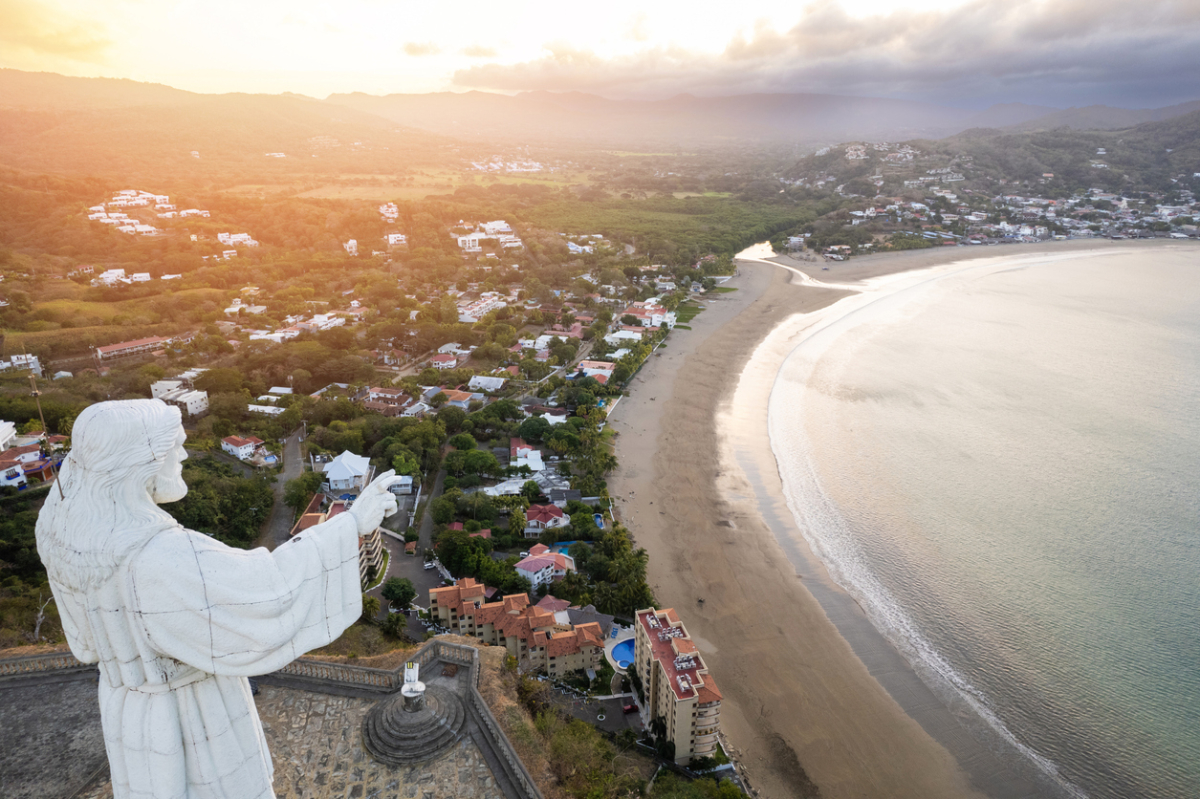
(Photo: Getty/iStock)
Amidst escalating political control, a new report by Open Doors highlights a targeted repression campaign against Christian communities in Nicaragua. The document, titled “Targeted Repression of Christians and Church-Affiliated Organizations in Nicaragua,” outlines the restrictive measures implemented by the Ortega-Murillo administration.
President Daniel Ortega and Vice President Rosario Murillo have been consolidating power through constitutional amendments and laws, significantly impacting religious leaders and organizations. “Nicaragua is in the midst of a deepening human rights crisis,” states the report, emphasizing the curtailing of freedoms related to religion, speech, and dissent.
The 2018 anti-government protests marked a turning point, as religious leaders who supported the demonstrators were targeted. A media campaign was launched against the Catholic Church, portraying its leaders as adversaries, while Protestant pastors faced arrests and churches were shut down.
Extensive surveillance by paramilitary forces and neighborhood informants connected to the Sandinista National Liberation Front (FSLN) has since been reported at places of worship. Additionally, public religious gatherings like Christmas and Holy Week processions have been prohibited, and Christian radio stations risk closure if they criticize the regime.
According to the brief: “In both Catholic and Protestant communities, Christians have faced limits on the duration, location, and frequency of worship services, raids by masked men in the church, and theft or vandalism of religious items. Church leaders must speak cautiously, as any remark considered critical of the government can lead to arrest, church closure, or both.”
Fear of attacks has driven many Christians to gather in private house churches or practice their faith alone.
The use of laws such as Law 1040 and Law 1055 further exacerbates the situation by restricting foreign funding and labeling critics as “traitors.” A constitutional amendment in January 2025 granted more power to Ortega and Murillo, eroding the independence of the judiciary and electoral bodies.
The creation of the “Volunteer Police” force has added another layer of intimidation, as these state-sanctioned groups, comprised of ex-convicts and party loyalists, target religious dissenters. Law 1060 permits authorities to detain individuals for up to 90 days without charges, leading to the detention of many Catholic and Protestant leaders under harsh conditions.
Law 1115, enacted in 2022, empowers the Interior Ministry to dissolve NGOs accused of threatening public order. Esteemed Christian organizations such as Caritas Nicaragua and the Episcopal Church have been forced to shut down, with their assets seized and tax exemptions revoked.
Open Doors calls for immediate action from the Nicaraguan government, urging the release of imprisoned faith leaders and the restoration of legal and financial rights to religious organizations. The organization also demands the return of confiscated properties and the cessation of surveillance on worship sites.
Open Doors further appeals for the revocation of laws restricting religious freedom and peaceful assembly, encouraging adherence to international human rights standards. They also urge the global community to exert diplomatic pressure on the Ortega regime.
This article was originally written by www.christiantoday.com