Controversial Chants at Glastonbury Spark Concerns Over Rising Anti-Semitism

Two decades ago, Sacha Baron Cohen’s satirical character, Borat, sparked outrage with a song performed at a bar in Tucson, Arizona, making controversial claims about Jews. Fast forward to the present, similar unsettling sentiments were echoed in a different context. At the Glastonbury Festival, chants of “death, death to the IDF” were heard, not as satire, but as a serious statement.
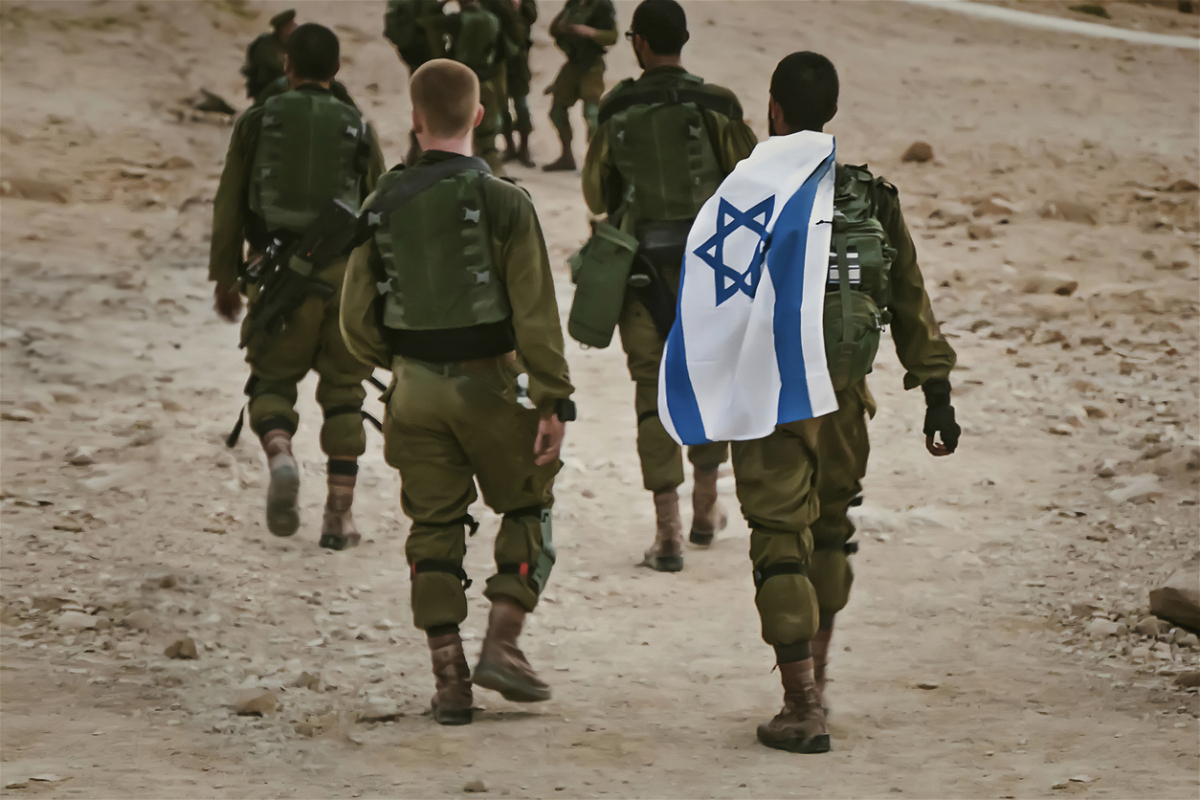
The IDF, or Israeli Defense Forces, is an institution where most Israelis serve to protect their nation, a nation established post-Holocaust as a sanctuary for Jews amidst hostile neighbors. The festival crowd’s cries were perceived as a call for harm against Israeli Jews, reflecting a worrying trend of anti-Semitism in modern Britain.
The resurgence of age-old libels against Jews, such as the infamous blood libel accusing them of heinous acts, is another alarming development. The inconsistency lies in the selective outrage towards Israel, while other global tragedies, like the ongoing crisis in Sudan, go largely unnoticed. The conflict in Sudan has resulted in 150,000 deaths and millions displaced or facing starvation since April 2023, yet it fails to attract the same level of protest.
The flags flown at Glastonbury symbolized support for groups linked to violence, including a massacre of festival-goers at Nova music festival in October 2023. This juxtaposition highlights a “culture of death” permeating parts of British society, as previously discussed in cultural critiques.
Hannah Arendt’s concept of the “banality of evil” comes to mind, as seemingly ordinary people partake in actions with significant moral implications. The Glastonbury festival showcased how ignorance and prejudice can manifest among educated, middle-class individuals.
The festival also exposed contradictions in ideologies. Attendees chanted slogans for open borders while enjoying the security provided by Glastonbury’s exclusive barriers. Such actions reveal a disconnect between ideals and reality.
Online platforms further exacerbate these issues, as seen with the backlash against Rod Stewart for his comments about Nigel Farage. Meanwhile, the Irish rap band Kneecap, known for controversial statements, mocked Stewart in their performance, adding sectarian tension to the mix.
The debate over free speech continues, with some defending the festival chants as such. However, incitement to violence is widely recognized as crossing a line in civilized discourse. The irony is stark when a band’s name, which celebrates punitive violence, is cheered by the “nice” people in attendance.
Broadcasts of these events by major media outlets like the BBC, and their subsequent spread on social media, paint a troubling picture of Britain’s current sociopolitical climate.
While criticism of certain IDF actions is valid, it is possible to do so without resorting to calls for violence. The teachings of peace, such as those found in Ephesians 2:14, offer a path away from hatred and division: “For he himself is our peace, who has made the two groups one and has destroyed the barrier, the dividing wall of hostility.”
Glastonbury, with its chants and walls, ironically underscores the need for messages of unity and understanding as a counter to the growing divisiveness.
This article was originally written by www.christiantoday.com