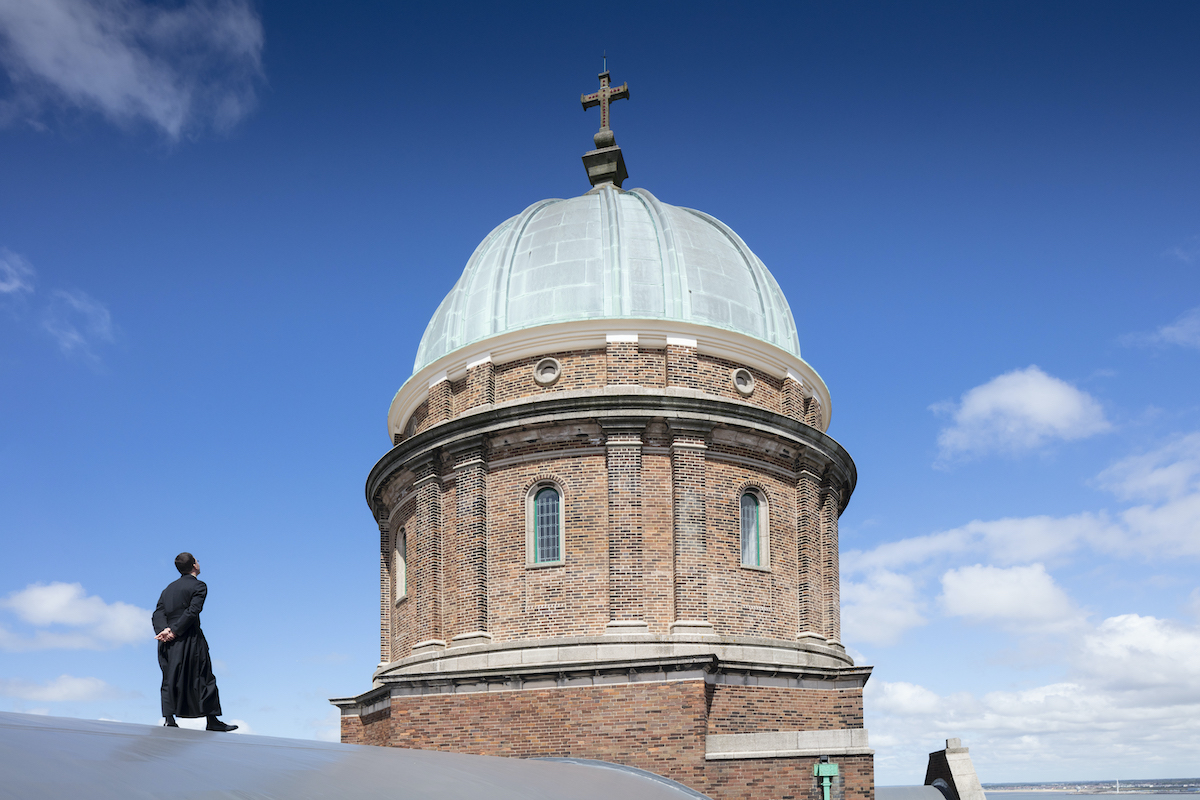
Study Highlights Public Preference for Historic Churches
(Photo: Historic England Archive)
Historic churches hold a special place in the hearts of communities across England, according to a recent report by Historic England. The study underscores the public’s preference for these architectural landmarks, transcending religious beliefs and church attendance.
Through a comprehensive economic evaluation, the study highlights the “heritage premium” associated with historic places of worship, indicating their profound cultural and emotional significance.
Surveying over 4,500 individuals, the research employed economic experiments to gauge public willingness to invest in church preservation. Results revealed a substantial inclination to fund historic churches over modern ones.
Regular church attendees expressed a willingness to donate an average of £15.40 for the restoration of historic churches, compared to £3.80 for contemporary structures.
Even those who seldom visit churches showed support, offering £6.30 for historic preservation versus a minimal £0.40 for modern buildings.
Using Discrete Choice Experiments, the study effectively separated the value of a church’s architecture from its religious and community roles.
Participants were presented with various improvement scenarios at different costs, with the primary distinction being the church’s historical status.
The findings reveal that people view historic churches not only as spiritual centers but as integral elements of local and national heritage.
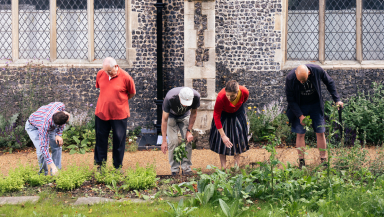
(Photo: Historic England Archive)
The survey also indicated substantial support for churches serving as community hubs, hosting activities like food banks and cultural events.
Conversely, the least enthusiasm was noted for digital upgrades, highlighting the priority given to preserving the churches’ structural and historical character.
These insights emerge at a crucial juncture, as numerous churches face escalating repair expenses and dwindling financial resources.
Historic England emphasized that the findings provide robust economic grounds for continued investment in maintaining historic churches.
Thomas Colwill, Senior Economist at Historic England, remarked: “This research provides clear, quantifiable evidence that historic churches matter deeply to the public, regardless of whether they attend religious services.
“These buildings are part of our shared national story, and people value them not just as places of worship, but as enduring landmarks that connect us to the past.”
This article was originally written by www.christiantoday.com