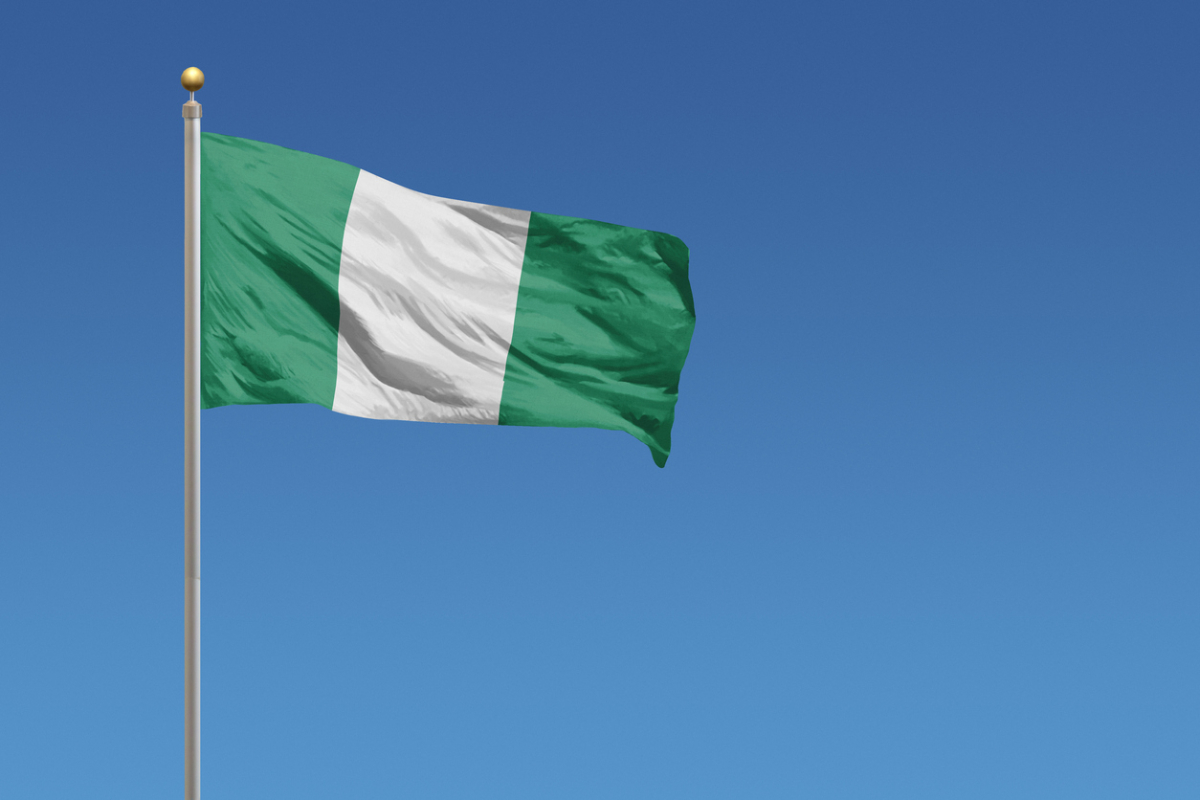
Prayers for Peace Amid Continued Attacks on Christians in Nigeria
Amid escalating violence against Christian communities in central Nigeria, particularly in Plateau State, congregations have united in prayer, seeking divine intervention for peace and justice.
The escalation of violence, primarily attributed to Fulani herdsmen, has intensified tensions in Nigeria’s Middle Belt region. In response, churches across Bassa County’s Miango District dedicated 9 July to special prayer services. This initiative, spearheaded by local clergy, addressed the government’s perceived inability to curb the violence.
“We must rise and stand in the gap – for Irigwe, Plateau state and Nigeria as a whole,” stated Rev Joshua Bari, chairman of the Christian Association of Nigeria (CAN), alongside Rev Adamson Gado, president of the Irigwe Ministers Forum (IMF), in a jointly issued statement. They called on all sectors of society to engage in this day of prayer.
The urgency of these prayers was underscored by recent violence. On 26 June, suspected herdsmen attacked the village of Jebbu Miango, resulting in one death and two injuries. The same day, farmland in Nzhwerenvi and Nkienwhie suffered extensive damage, described by locals as deliberate aggression.
Earlier on 23 June, the villages of Zowrru and Taegbe in Teegbe District suffered a violent incursion, leading to the deaths of three individuals, including two minors. The deceased were identified as 30-year-old Sibi Monday, 15-year-old Bako Mali Dih, and 13-year-old Ladi Bala, while Esau Bala and Asabe Bala sustained injuries. According to community leader Joseph Chudu, such attacks deliberately target Christian civilians.
“This attack mirrors previous incidents,” Chudu remarked to Christian Daily International-Morning Star News. “In spite of this, we will continue to demand justice and peace in our communities.”
Other nearby villages, including Kpachudu and Nkiendowro, have also experienced recent violence, with reports of four Christians, including a nine-month-old baby, being killed in one such assault.
Internationally, support came from the Baptist World Congress in Brisbane, Australia, held from 7 to 12 July. The event included prayers for persecuted Christians worldwide, emphasizing a “powerful solidarity moment” for those in Nigeria.
“May God’s comfort, strength, and justice abound for our sisters and brothers facing trials,” stated the host church.
While not all Fulani align with extremist ideologies, reports indicate that some factions have embraced radical Islamic views. A 2020 report by the UK Parliament’s All-Party Parliamentary Group on International Freedom of Religion or Belief noted that certain Fulani groups “demonstrate a clear intent to target Christians and potent symbols of Christian identity.”
Nigerian Christian leaders have long expressed concern that such attacks aim to seize land and displace Christian communities. Environmental challenges, such as desertification, have exacerbated land use conflicts between herders and farmers.
According to the 2025 World Watch List by Open Doors, Nigeria remains one of the most perilous places for Christians. The report indicates that of the 4,476 Christians killed globally for their faith during the monitoring period, 3,100 were in Nigeria, accounting for 69% of the total.
The report also highlights ongoing insecurity in northern and central Nigeria, where groups like Boko Haram and the Islamic State West Africa Province (ISWAP) remain active, posing threats such as mass killings, sexual violence, and abductions. Additionally, a new group, Lakurawa, linked to the al-Qaeda affiliate Jama’a Nusrat ul-Islam wa al-Muslimin (JNIM), has emerged in the northwest.
Nigeria ranks seventh on the World Watch List of the 50 countries where Christians face the most extreme persecution.
This article was originally written by www.christiantoday.com