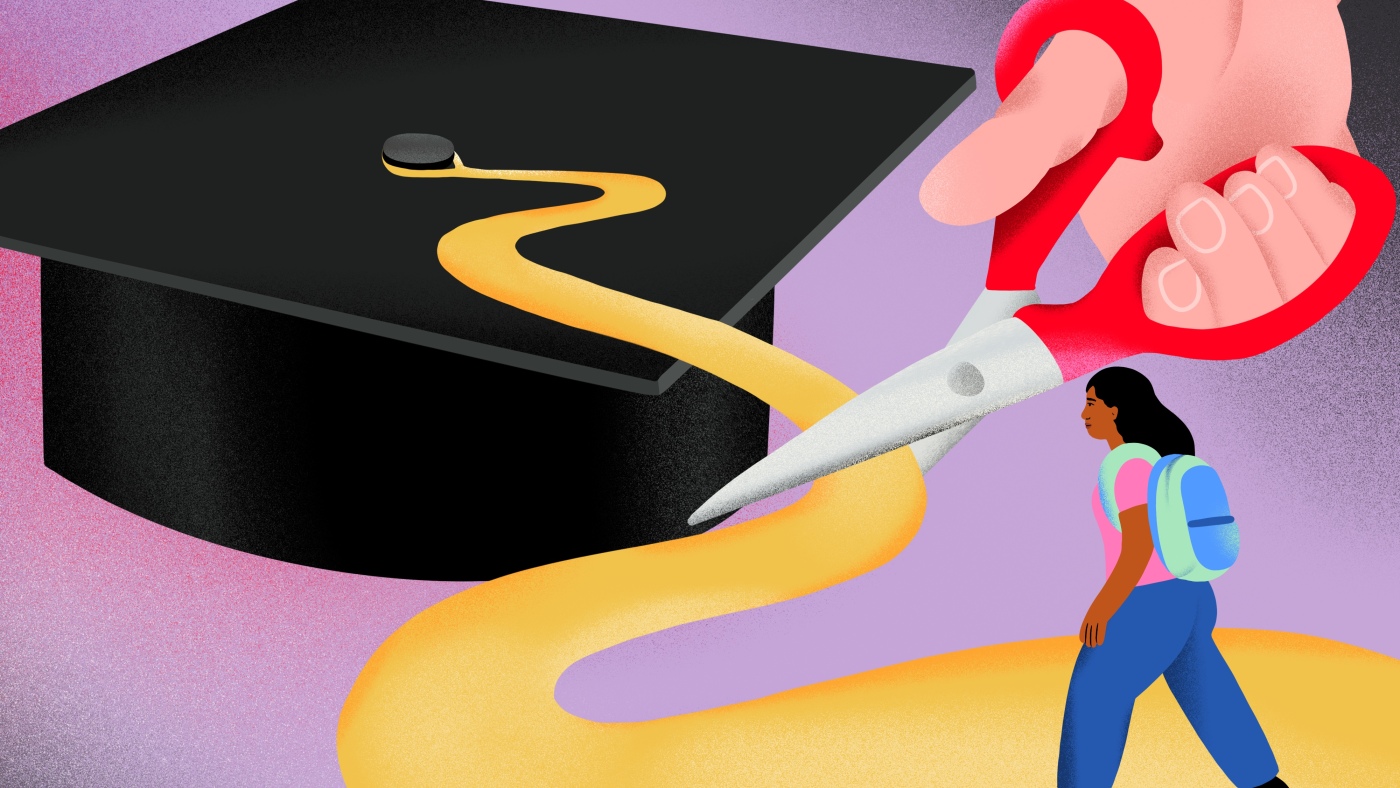
An Uncertain Future for Federal Programs Aiding First-Generation College Students
The journey from high school to college is often daunting, especially for students from low-income families or those who are the first in their families to pursue higher education. Federal programs like Upward Bound, under the TRIO umbrella, have been pivotal in bridging this gap by providing support and resources to these students. However, proposed budget cuts threaten the future of such programs, raising concerns among educators and students alike.
Morehead, Ky. — In a unique summer experience, Zoey Griffith found herself on the Morehead State University campus, taking classes and living in dorms, a significant change for the then-14-year-old from Maysville. Encouraged by her stepsister, Griffith joined Upward Bound, a program designed to ease the transition to college for high school students. Today, she is enrolled at Maysville Community and Technical College, aspiring to become an ultrasound technician.
TRIO, initially comprising three programs, now includes eight initiatives introduced to aid approximately 870,000 students annually. These programs, originating as far back as 1965, have garnered bipartisan support in Congress. However, a recent White House budget proposal suggests eliminating TRIO funding, arguing that access to college has improved significantly.
Advocates for TRIO highlight its success, noting that Upward Bound participants are twice as likely to earn a bachelor’s degree by age 24 compared to their peers from similar backgrounds. The Council for Opportunity in Education (COE) asserts that TRIO’s proven track record warrants continued support, emphasizing its role in aiding first-generation and low-income students.
Despite the program’s success, Education Secretary Linda McMahon has called for a review of TRIO’s effectiveness, citing outdated studies and insufficient data on program impact. The U.S. Government Accountability Office has also pointed out gaps in the Education Department’s evaluations of TRIO programs.
While Congress debates the program’s future, the Trump administration has already taken steps to cancel some TRIO grants. This has sparked concern among program supporters who argue that cutting TRIO funding would further disadvantage students in regions like eastern Kentucky, where educational attainment rates lag behind the national average.
David Green, a former Upward Bound participant, shares his experience, describing TRIO as transformative. Growing up in a home without running water, Green’s exposure to different cultures and experiences through TRIO opened his eyes to a broader world, ultimately leading him to a successful career in marketing.
The potential loss of TRIO funding has prompted educators to emphasize its long-term benefits. Sherry Adkins, an alumna of the program, questions whether society would prefer to continue supporting disadvantaged individuals or help them become independent, contributing members.
As the debate continues in Washington, TRIO program directors remain committed to their mission, highlighting personal stories of success and the profound impact of these programs on students’ lives.
This story about TRIO was produced by The Hechinger Report, a nonprofit, independent news organization focused on inequality and innovation in education.