Examining the Journey of New Orleans Students in Pursuit of Higher Education
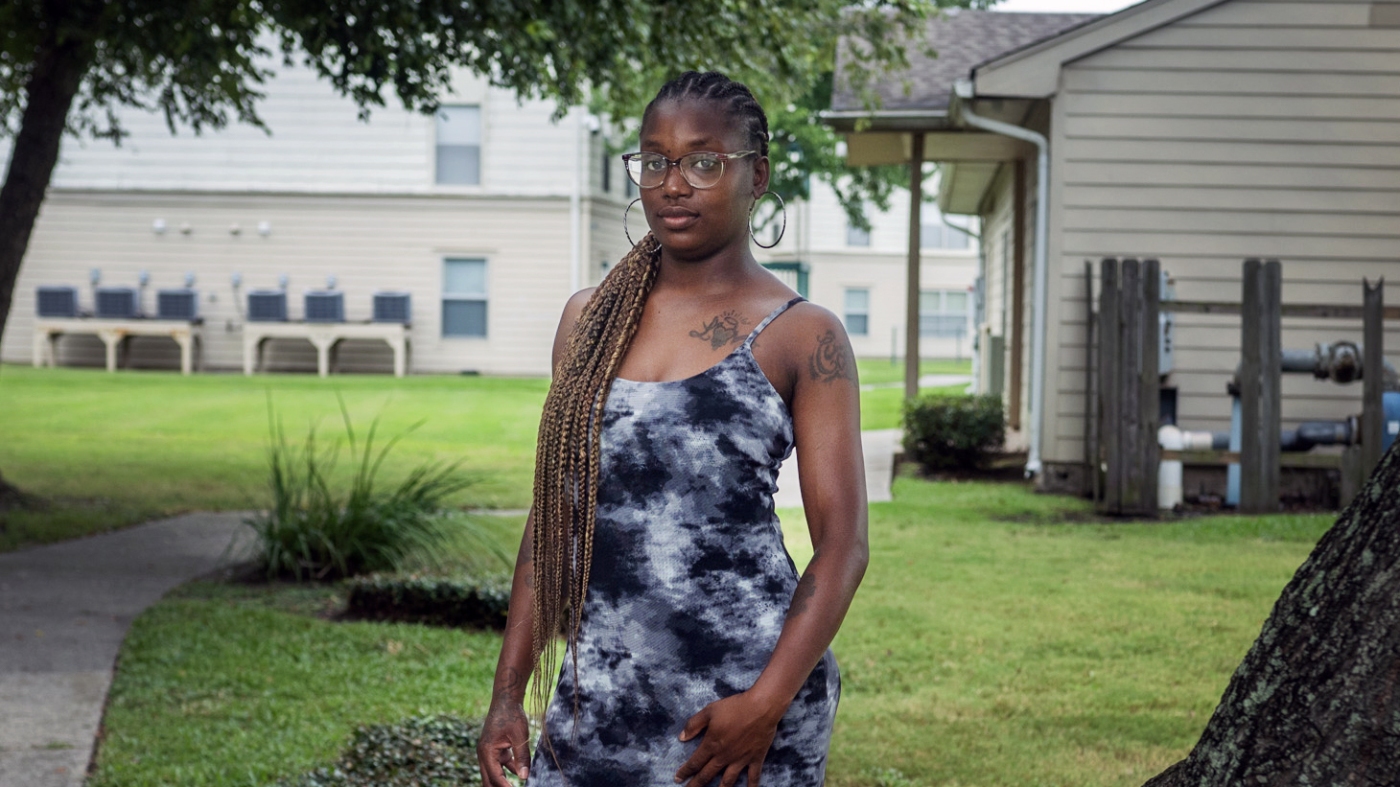
In New Orleans, the path to higher education often comes with hurdles. Geraldlynn Stewart’s journey through the education system is a reflection of these challenges. Raised in New Orleans East, Stewart was constantly reminded of the importance of college, with school banners touting prestigious institutions like Princeton University.
Stewart’s educational path led her to Dillard University, a historically black college in New Orleans. Despite receiving a state scholarship covering tuition, she faced financial difficulties in managing other college expenses. With a working-class background and a mother juggling multiple jobs, Stewart worked nearly full-time at Waffle House to support herself. This job eventually took precedence over her studies, leading her to make a difficult choice between education and employment.
Stewart’s narrative is not unique. After Hurricane Katrina, New Orleans experienced a surge in charter schools focused on college preparation. Stewart attended one such school, part of the KIPP (Knowledge is Power Program) network, where college attendance was a central mission. Rhonda Kalifey-Aluise, CEO of KIPP New Orleans Schools, highlighted the emphasis on college as a means of lifting students out of poverty.
While the push for college enrollment showed some success—graduation and college enrollment rates increased—the challenge of college completion remained. Reports indicated that, even over a decade after Katrina, many students struggled to persist beyond their first semester.
Stewart’s stepsister, Mary Dillon, and her sister Jasmine also faced difficulties in college, emphasizing the complex barriers that many students from similar backgrounds encounter. These stories underscore the importance of comprehensive support systems for first-generation students, which were often lacking.
Adapting to Changing Educational Aspirations
The once singular focus on college is shifting. KIPP and other charter schools are now placing greater importance on career counseling and vocational training, recognizing that higher education isn’t the sole path to success. Schools aim to provide students with diverse opportunities to match their aspirations.
Geraldlynn Stewart, now a mother of three, continues to strive for financial stability and personal fulfillment. Her dream of pursuing cosmetology is still hindered by unresolved loan issues from her time at Dillard. Stewart’s experiences have shaped her perspective on education for her children, emphasizing the value of choice and exploring various career possibilities.
The educational landscape in New Orleans is evolving, with schools adapting to better serve the diverse needs of their students. KIPP’s approach now includes a focus on matching students with institutions and careers that align with their strengths and interests, rather than a blanket push for college attendance.
“All students should have the opportunity to go to college, if they want to,” says Rhonda Kalifey-Aluise, reflecting the broader perspective of KIPP New Orleans Schools.