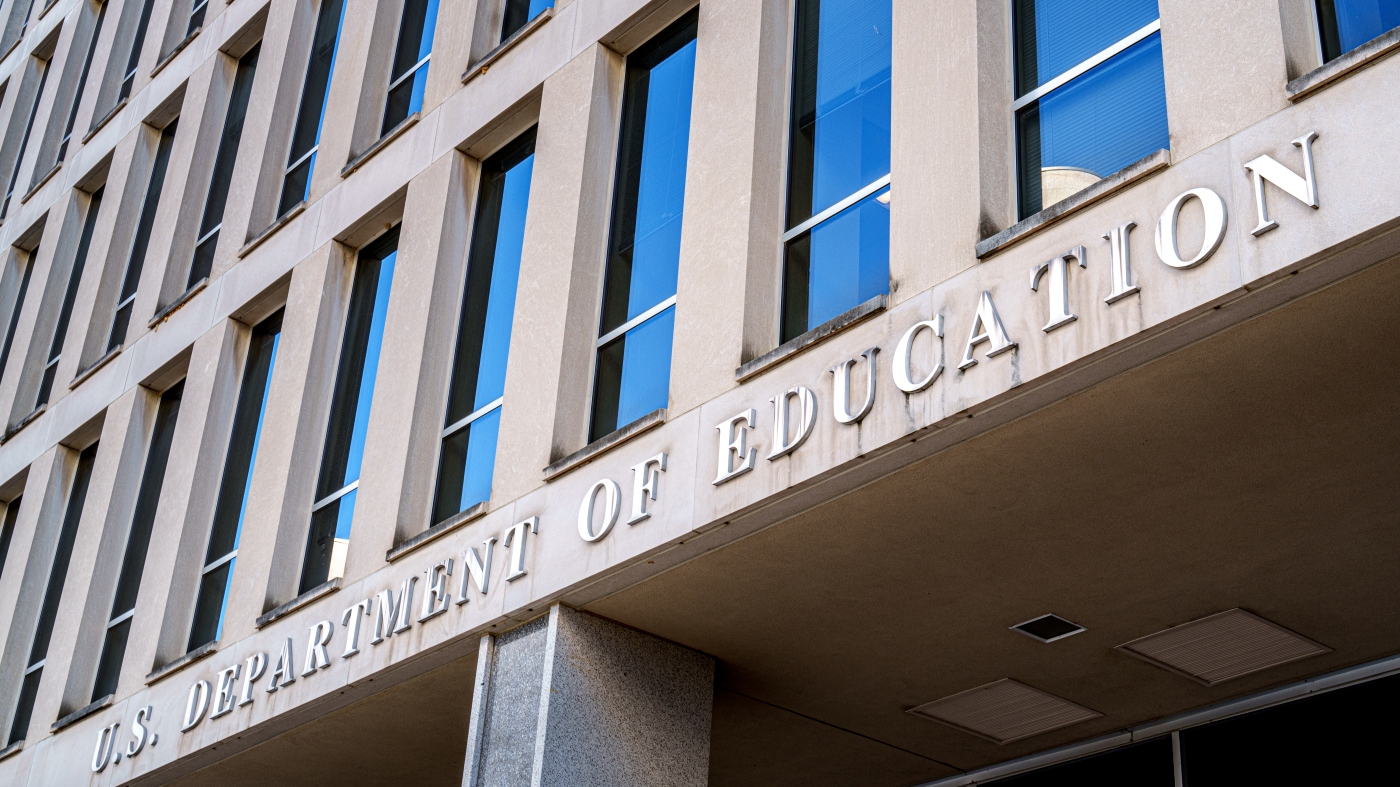
Trump Administration’s Controversial Use of Civil Rights Laws in Education Sparks Debate
In a series of contentious moves, the Trump administration has leveraged federal civil rights laws, initially designed to protect marginalized groups from discrimination, to challenge support for students of color and transgender protections. This approach has ignited a fierce debate over the interpretation and implementation of these laws.
In April, the U.S. Department of Education initiated an investigation into Chicago Public Schools’ “Black Students Success Plan,” following a complaint suggesting that the program discriminated against non-Black students. The investigation was based on a law aimed at eliminating racial discrimination, raising questions about its application in this context. Read more
By July, the department found that five Virginia school districts had infringed upon a civil rights law intended to protect women and girls from sex discrimination. This finding was due to their policies allowing transgender students to use facilities corresponding to their gender identity. The ruling has been criticized as a misinterpretation of the law, which some argue should also protect transgender rights.
More recently, Denver Public Schools faced a similar situation, being warned to adopt biology-based definitions for gender or risk losing federal funding. This decision underscores the administration’s stance on restricting transgender rights in educational settings. Learn more
Title IX and the Battle Over Gender Identity
Title IX, a federal law prohibiting sex discrimination in educational institutions, has become a focal point in the debate over transgender rights. While previous administrations used Title IX to support transgender students, the Trump administration argues that this interpretation violates the rights of women and girls. An executive action emphasized the need to exclude “men from women’s sports,” framing such inclusion as unfair and dangerous.
This interpretation has been met with criticism from legal experts and former officials, who argue that Title IX’s original intent is being misconstrued. Catherine Lhamon, former head of the Education Department’s Office for Civil Rights (OCR), noted, “This interpretation doesn’t bear any relationship to the actual charge of Title IX.”
Federal-State Tensions and Funding Risks
The administration’s actions have placed school districts in a difficult position, especially those in states with laws protecting transgender rights. For instance, Virginia’s superintendent of Fairfax County Public Schools, Michelle Reid, asserted that their policies align with state and federal laws, despite federal investigations suggesting otherwise. These districts face the potential loss of significant federal funding if they do not comply with the administration’s directives.
In response to these challenges, the Education Department and the Justice Department have formed a Title IX Special Investigations Team to enforce compliance. Schools are now under pressure to adhere to federal mandates, even if they conflict with state laws, risking financial repercussions.
Expanding Title VI’s Reach on Racial Issues
Title VI of the Civil Rights Act of 1964 prohibits racial discrimination in federally funded programs. Under the Trump administration, this law is being used to challenge initiatives that prioritize minority students, suggesting that such programs discriminate against other racial groups. This approach has drawn criticism for potentially undermining long-standing efforts to address historical inequalities.
Craig Trainor, acting assistant secretary for civil rights, criticized educational institutions for promoting what he described as discriminatory practices under the guise of “diversity, equity, and inclusion.” This stance signals the administration’s intent to scrutinize and potentially defund programs it views as racially preferential.
High-profile investigations into prestigious universities for perceived discrimination have also raised concerns about the potential overreach of federal authority. These actions have led to significant financial consequences for institutions that fail to comply with the administration’s directives.