A Decade of Change: New Orleans Schools Transform Post-Katrina
Once a vibrant hub of experienced educators, New Orleans’ education system faced a monumental shift following Hurricane Katrina. The storm not only devastated the city but also transformed its public school landscape, heralding a new era characterized by charter schools and a younger teaching workforce.
Stacey Gilbert, a dedicated special education teacher from New Orleans, recalls the impact of the storm vividly. When Katrina struck, she had already been teaching for nearly 20 years. “I can still remember that particular Friday, and just thinking, ‘OK, we’re gonna evacuate, but we’ll be back,'” she said. However, upon her return, she found her job gone, mirroring the experience of many veteran teachers in the city.
In the aftermath, New Orleans’ schools underwent a dramatic transformation. Many reopened as charter schools, often staffed by young educators new to both the city and the profession. The influx was largely fueled by Teach For America (TFA), which significantly increased its presence in the region, tripling the number of corps members it placed in local schools after the storm.
The Rise of Teach For America
Teach For America played a pivotal role in reshaping New Orleans’ educational landscape. Ge’ron Tatum, TFA’s regional executive director, noted that the number of corps members placed annually in New Orleans surged post-Katrina. Lauren Jewett, a TFA recruit from the University of Rochester, entered the program in 2008, driven by a desire to address educational inequities.
Jewett’s journey into teaching wasn’t straightforward. She underwent a six-week crash course in Phoenix, learning the ropes of teaching while leading a summer school class. Reflecting on the experience, she admitted, “I have since gone through many other trainings that have been much more robust. I just think that there was a lot missing.”
Challenges and Changes in Education
The transition wasn’t without its challenges. Before Katrina, New Orleans’ educators were predominantly Black women with an average of 15 years of experience. However, by 2011, the teacher demographic had shifted significantly, with the percentage of white teachers rising from 25% to over 40%. Many of the new teachers, including Jewett, lacked certification and had to learn on the fly.
Jewett found herself as the go-to special education expert at her school after just two years. “I had to find thought partners,” she said. “Meanwhile, it was like I was navigating people who didn’t know much, too, [who] were working in the school system – leaders.”
Union Support and Community Ties
The teachers union, United Teachers of New Orleans (UTNO), played a crucial role in bridging the gap between new and veteran educators. Despite losing much of its influence post-Katrina, the union offered training and support, helping new teachers like Jewett connect with seasoned educators and understand the cultural nuances of teaching in New Orleans.
Today, the teaching workforce in New Orleans is gradually returning to its roots. More than half of the teachers now identify as Black, and local universities are partnering with schools to hire certified teachers connected to the community. This return to a more traditional teacher demographic hasn’t hindered the city’s educational progress. Test scores and graduation rates remain higher than pre-storm levels, with approximately 80% of students graduating on time.
A New Generation of Educators
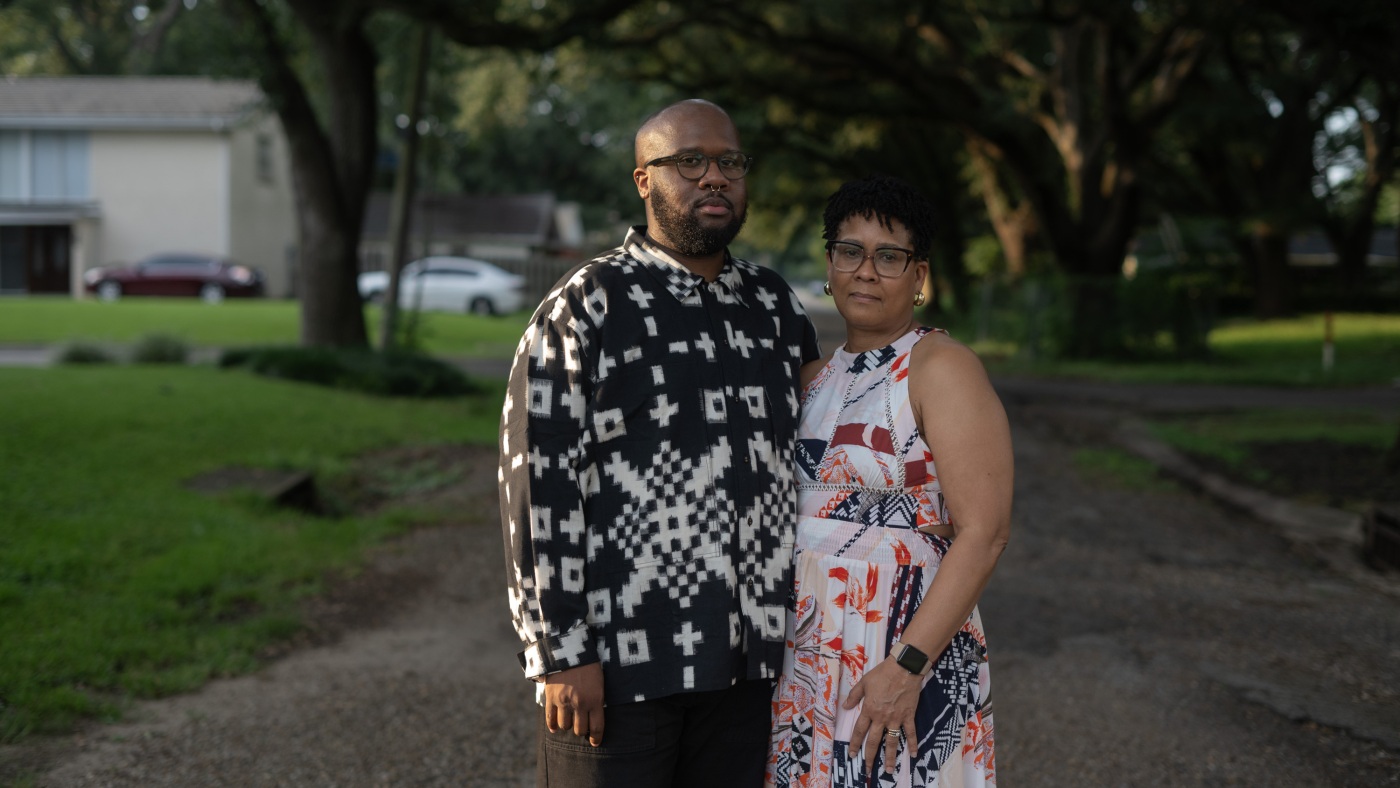
Ryan Gilbert, the son of Stacey Gilbert, symbolizes the new generation of New Orleans teachers. Initially planning a career in dentistry, he pivoted to education, inspired by a college philosophy class. Now, a high school science teacher at Warren Easton Charter High School, he embodies the passion and commitment that his mother, now a principal, has long demonstrated.
As New Orleans continues to rebuild and redefine its educational landscape, educators like Stacey Gilbert, Lauren Jewett, and Ryan Gilbert remain committed to their mission. “There’s always things to learn here,” says Jewett, a sentiment that resonates with the city’s ongoing journey of recovery and growth.