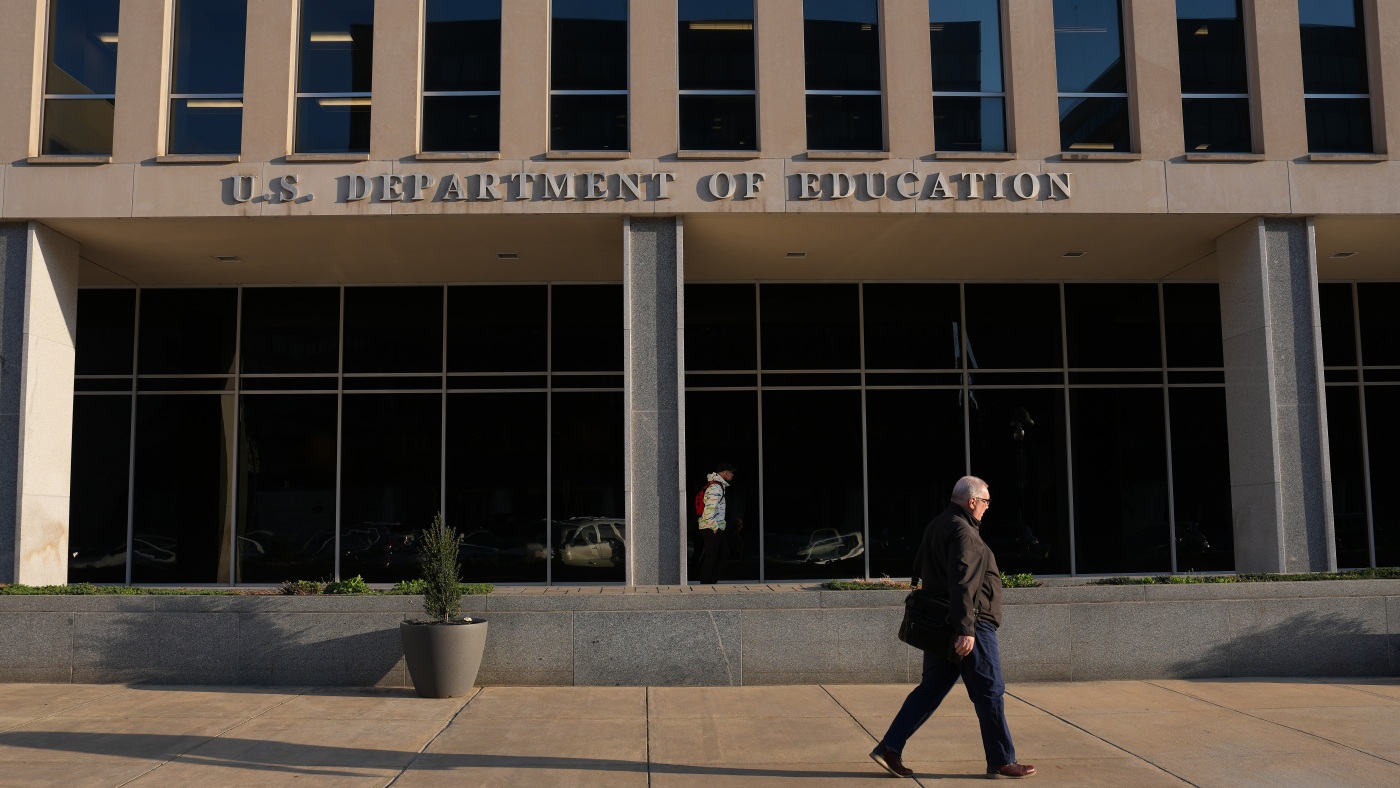
Trump Administration Layoffs Impact U.S. Department of Education’s Special Ed Oversight
The Trump administration’s recent sweeping layoffs have significantly impacted the U.S. Department of Education, particularly affecting the office responsible for special education oversight. According to multiple department sources, the reduction-in-force has dealt a severe blow to the team managing special education funding and services for the nation’s 7.5 million children with disabilities.
The layoffs, which were announced as part of a broader series of government cuts, have primarily targeted the Office of Special Education and Rehabilitative Services (OSERS). This office oversees approximately $15 billion in special education funding, ensuring state compliance with the Individuals with Disabilities Education Act (IDEA).
“This is decimating the office responsible for safeguarding the rights of infants, toddlers, children, and youth with disabilities,” stated an anonymous department employee. The reductions have left only a few top officials and support staff in place, effectively gutting the office’s ability to provide oversight and support for special education programs nationwide.
The layoffs at the Education Department are part of a larger set of cuts, totaling 4,200 jobs, announced in a court filing amid the ongoing government shutdown. While the exact number of special education office staff affected remains unclear, department officials have not provided clarification or comments on the matter.
Impact on Students with Disabilities
The IDEA, a civil rights law celebrating its 50th anniversary, mandates that states provide special education services for children from birth to age 21. These services are funded in part by federal grants that states must apply for annually. OSERS staff play a crucial role in reviewing state plans, ensuring compliance with federal law, and providing technical assistance.
Without OSERS staff, oversight of these services is in jeopardy. One employee emphasized, “there is no oversight to make sure all children with disabilities get the services they’re entitled to.” Additionally, the office’s staff frequently assists families and parents in understanding their rights under federal disability law, a service that will now be largely unavailable.
Federal Oversight vs. State Control
President Trump’s administration has consistently advocated for returning education control to the states, which includes plans to dismantle the Education Department. While the layoffs do not immediately affect special education funding, the absence of federal oversight raises concerns among state officials about potential inconsistencies in law interpretation and application.
One state director of special education expressed apprehension, saying, “The concept of leaving special education up to states sounds great, but it’s scary. What happens if one state decides to interpret the law one way, but another state disagrees and interprets it differently?”
The legality of the OSERS cuts has also been questioned. Federal law mandates the existence of an Office of Special Education Programs within the U.S. Department of Education to manage funding and programs. As a result, the effective closure of the office due to staffing cuts may require congressional action.