Universities Face Deadline Over New Federal Funding Conditions
As the deadline approaches, a group of universities is grappling with a decision that could impact their future federal funding. The Trump administration has introduced a proposed “Compact for Academic Excellence in Higher Education,” which includes specific commitments that align with the current administration’s priorities. These commitments must be accepted by Monday to secure preferential access to federal funds.
The compact, distributed to nine colleges on October 1, mandates several controversial conditions. These include prohibiting transgender individuals from using facilities that match their gender identity, a five-year freeze on tuition, restrictions on the number of international students, and making standardized tests a requirement for admissions. Notably, six institutions have already indicated their refusal to sign the document.
Among the first to publicly reject the compact was Massachusetts Institute of Technology (MIT). In a letter dated October 10, MIT President Sally Kornbluth criticized the document’s principles, stating they conflict with the university’s belief that “scientific funding should be based on scientific merit alone.” Read the full letter here.
Despite the initial rejection from several universities, President Trump announced on Truth Social that the offer was extended to all colleges, not just the initial recipients. Following MIT’s decision, Brown University, the University of Pennsylvania, and the University of Southern California also declined the proposal.
Last Friday, the White House convened a virtual meeting with several universities that had not yet responded, including prominent institutions like the University of Arizona, the University of Texas at Austin, and Dartmouth College. Some additional schools, such as Arizona State University and Washington University in St. Louis, were also invited to the discussion. The Wall Street Journal has more details on this meeting. Read more here.
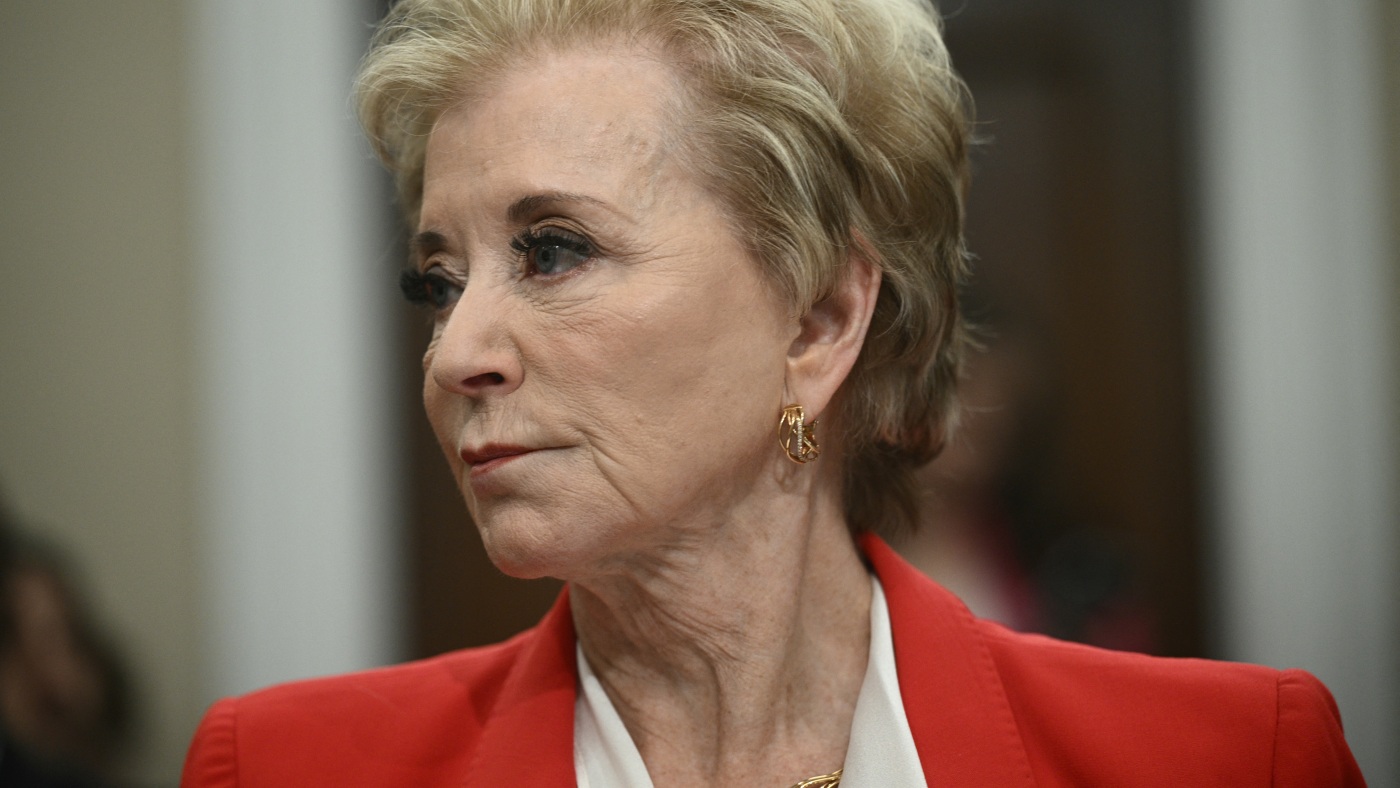
Education Secretary Linda McMahon described the meeting as a “positive and wide-ranging conversation about the Compact,” highlighting its importance in shaping a shared vision for higher education. Her comments can be found on X (formerly Twitter).
Nevertheless, after the meeting, both the University of Virginia and Dartmouth College decided against signing the compact. Dartmouth President Sian Leah Beilock stated that she did not believe such agreements with any administration were the right path to achieving academic excellence. Similarly, UVA Interim President Paul Mahoney emphasized their stance against “special treatment” in federal funding, advocating for merit-based assessments. Mahoney’s complete statement is available here.
The Trump administration has been actively reshaping federal funding policies, affecting universities nationwide. This includes canceling billions in research grants over various issues like transgender policies and diversity programs. The White House has yet to comment on its future plans for the compact, citing a government shutdown caused by Democratic actions as per an automated response.