Schools in the U.S. Grapple with Lockdown Drills Amid Rising Gun Violence
With more than 70 shootings reported on school campuses across the U.S. since the beginning of the academic year,
the pressing concern for educators is how to prepare students for potential gun violence without causing
emotional distress. This issue is especially pronounced in schools like St. Anthony Middle School near
Minneapolis, where state law mandates five lockdown drills annually.
Principal Amy Kujawski of St. Anthony Middle School emphasizes the safety of schools, stating, “The biggest, the
most important message I can share to my students and my families and my teachers: Schools are really, really
safe places.”
The Challenge of Balancing Safety and Emotional Well-being
NPR recently observed the first of the five required lockdown drills at St. Anthony Middle School, coinciding
with the aftermath of a tragic shooting at the nearby Annunciation Catholic School and Church. The incident
resulted in the deaths of two children, highlighting the grim reality of such violence.
Kujawski endeavors to create an environment emphasizing “belonging, safety, love, care, and warmth,” a necessity
in the wake of such tragedies. Her office is filled with tools like breathing exercise stickers and fidget
spinners aimed at easing student anxiety. A sign on her wall boldly declares, “Hate is Loud. Love is Strong.”
Throughout the school, laminated posters display the safety protocols with phrases like “Hold in your room or
area. Clear the halls. Secure. Get inside, lock outside of doors. Lockdown. Locks, lights, out of sight.” These
are familiar terms to students and local emergency services alike.
Drills as a Routine Part of School Life
Despite statistics suggesting most schools will never directly encounter an active shooter, lockdown drills have
become a standard part of the American public school routine. Principal Kujawski reassures students, “Remember,
we do this because we want to make sure we feel prepared regardless of any situation that happens.”
Classroom Perspectives on Lockdown Drills
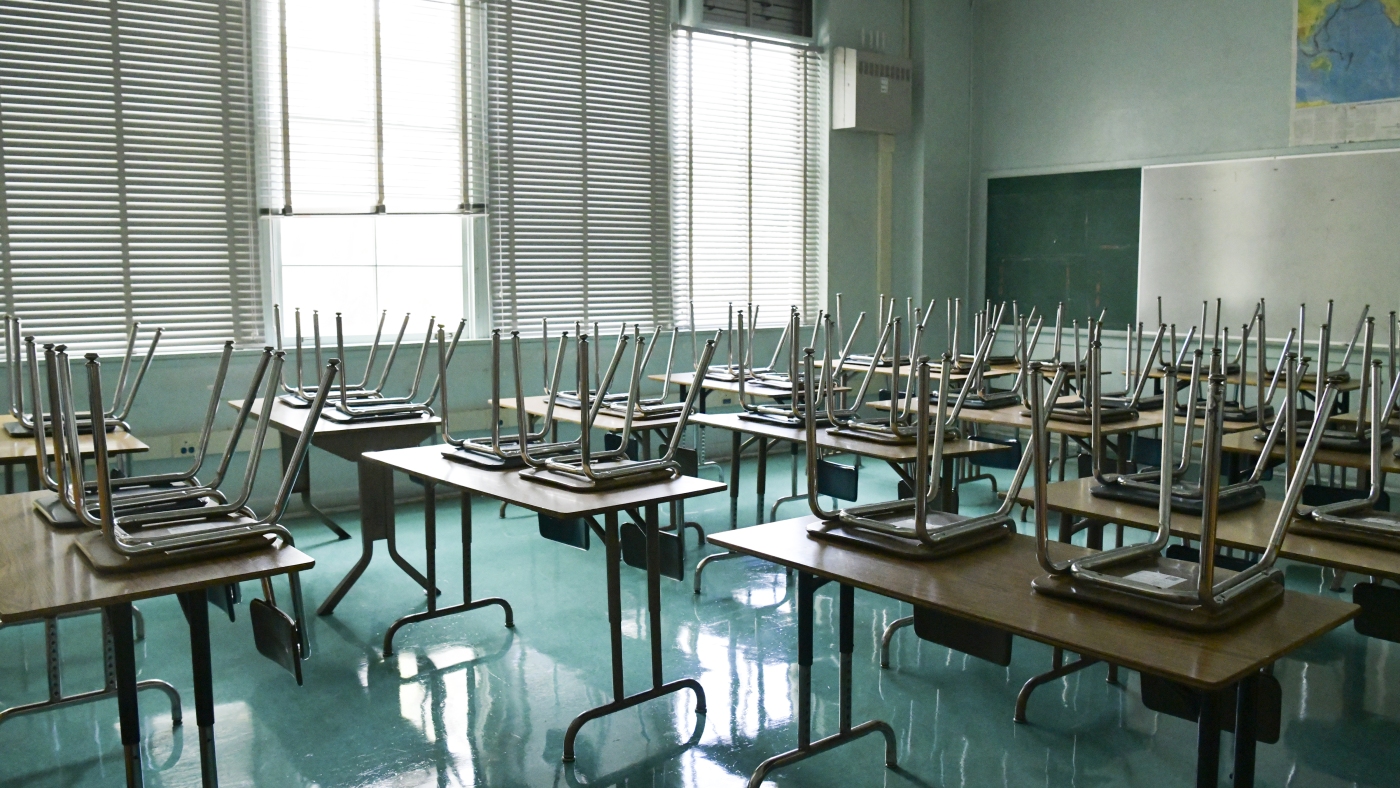
Seventh-grade English teacher Kathleen West guides her students through the drill, highlighting areas where they
might be visible to an intruder. “We want to stay away from that window over by my desk. So if you can see that
window, you’re not in a good spot,” she instructs. Once students are in position, she remarks, “We just have to
kind of sit in this unpleasantness for a little bit.”
After the drill, students return to their usual activities, treating the exercise as routine as the Pledge of
Allegiance. “You start in like first grade or something,” notes Phoebe Strodel, 12. Her peer, Raegan Dunkley, 12,
adds that she feels secure knowing a police station is nearby.
The Psychological Impact of Drills
Psychologist Jillian Peterson, researching at the Violence Prevention Program at Hamline University, questions
the normalization of such drills. She recognizes St. Anthony as a school conducting these exercises in a
trauma-informed manner, allowing families to opt out and supporting sensitive students.
However, Peterson raises concerns about the effectiveness and psychological effects of lockdown drills,
especially for younger children. She argues, “A: The most likely perpetrators are already in the building. B:
We’re not totally sure they work. C: We don’t really, truly understand what we’re doing to the young kids. We’re
just normalizing this type of violence.”
Personal Reflections on School Safety
Kathleen West, starting the academic year shortly after the Annunciation shooting, shares her personal
connection to the incident, as her family members were involved. She expresses a desire for systemic change,
stating, “My job should not be to save your child’s life.”
Despite the challenges, West remains committed to her role, contemplating how she would respond in a real
emergency. She reflects, “If I’m lucky, whatever event happens in my 40-year career…if I make it to 40, I’m
lucky if the shooting happens at the other end of the building and not where I am.”