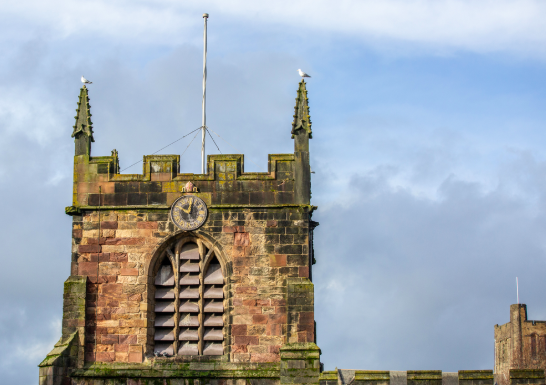
(Photo: Church in Wales)
In a recent audit of Bangor Cathedral, the spotlight has been thrown on several critical issues concerning its management and culture. The audit, conducted by the independent charity Thirtyone:eight, brought to light concerns including financial mismanagement, overindulgence in alcohol, and unclear sexual boundaries.
While Bangor Cathedral was commended for fostering an inclusive environment, especially for individuals with autism who felt a sense of belonging and community, the report identified significant areas needing improvement. The audit indicated that the Cathedral did not meet the safeguarding standards expected by the Church in Wales.
The audit criticized the management for a lack of transparency and oversight, suggesting that favoritism was present and that financial decisions lacked adequate scrutiny. Despite a positive community spirit, the audit noted that both online and offline gossip had caused division and hurt among members.
Particularly concerning were the findings related to alcohol and sexual conduct at the Cathedral. The report described alcohol consumption as “excessive” and recommended implementing a new policy on this as a priority.
Furthermore, the audit highlighted a culture where “sexual boundaries seemed blurred,” with some viewing promiscuity as acceptable behavior.
The Archbishop of Wales, the Most Reverend Andrew John, acknowledged the challenges presented by the audit’s findings. He described them as “hard to hear” and committed to addressing these issues.
“I have begun reflecting on what I must learn from this process – not only as a leader, but as a fellow pilgrim,” he stated.
He further emphasized, “We shall commit ourselves to the work of repair, of rebuilding trust and of creating a healthier culture – together.”
The archbishop characterized the situation as “sobering” and pledged commitment to change, emphasizing that this journey requires effort but has the potential for healing.
“It will mean hard work, but it can also bring healing, and we do not do this alone,” he said.
“As Christians, we know that we are people who need repentance and hope. We know our human flaws – but we also know the grace of a God who shares our humanity, understands our weaknesses and strengthens us to become the Church, he calls us to be.”
This article was originally written by www.christiantoday.com